







Published on the Relais & Châteaux Africa blog here
Epicurist. n a person devoted to refined sensuous enjoyment (especially good food and drink).
Lemony Snicket (the American writer also known, much less excitingly, as Daniel Handler) once said that, “how you spend your morning can often tell you what kind of day you are going to have.” While some of us prescribe to the winging-it philosophy of life, many have discovered and held onto set routines that have become a strict guide to living. These rituals help to make sense of and to better control the infinite routes a day can take, and to ensure that we get to fit in time for that which should always come first, like family. Or breakfast.
Of all the morning routines of the world’s rich and famous, Steve Jobs’ simple but significant daily ritual speaks to me most. According to Fast Company, the late Apple CEO once said, in a speech to a graduating class at Stanford, “For the past 33 years I have looked in the mirror every morning and asked myself: ‘If today were the last day of my life, would I want to do what I am about to do today?’ And whenever the answer has been ‘No’ for too many days in a row, I know I need to change something.”

Whether you prefer to start the day meditating on the end of life like Jobs, by lazing in bed until 11:00 a.m, ala Winston Churchill, or waking before dawn for an hour of tennis, like Vogue Editor-in-chief, Anna Wintour, at some stage, the time for that first meal of the day arrives.
Perhaps it occurs around the table with family, like President Barack Obama, or while reading a “breakfast book,” an entertaining mystery or adventure novel, like author P.G. Wodehouse. Perhaps you prefer the same breakfast each day, also like Wodehouse (always toast, coffee cake, and tea), or a much greater variety.
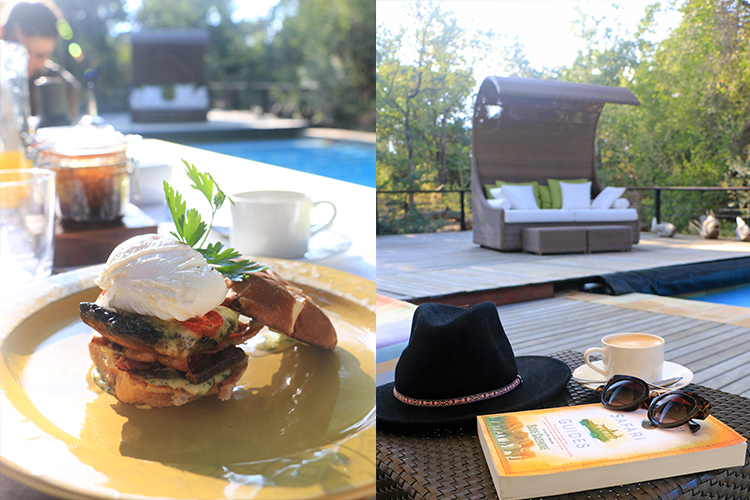
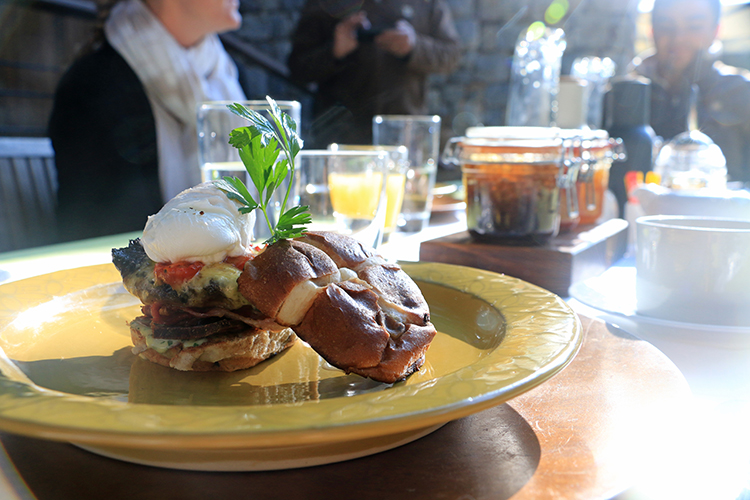
If the event, and your choice of how to spend it, says anything about our individual characters, indulging in the gastronomic affair that is breakfast at AtholPlace Hotel & Villa in Sandton, Johannesburg, must shout, “Carpe diem! I live life to the fullest! Let them me eat cake!”
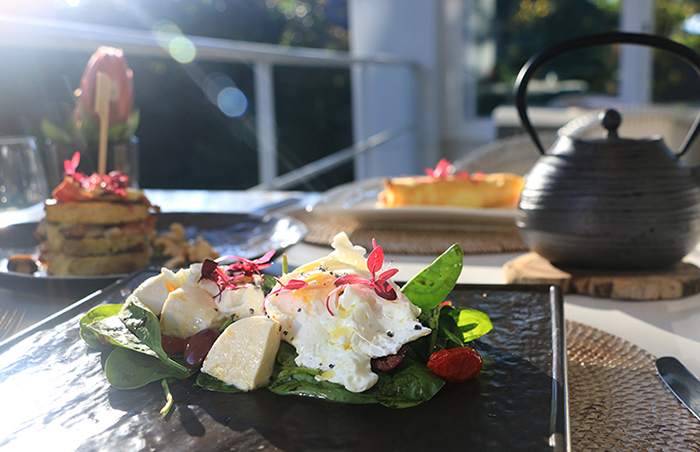
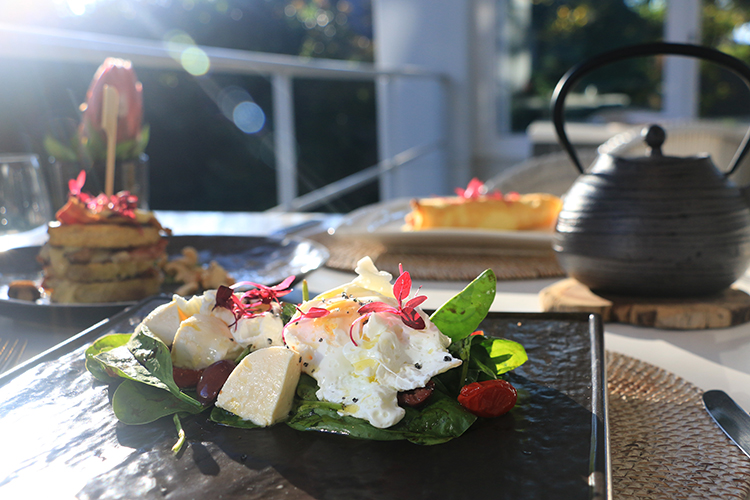
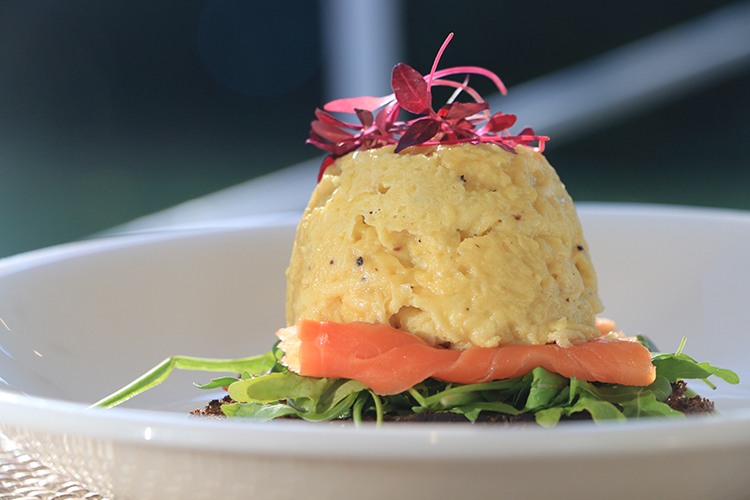
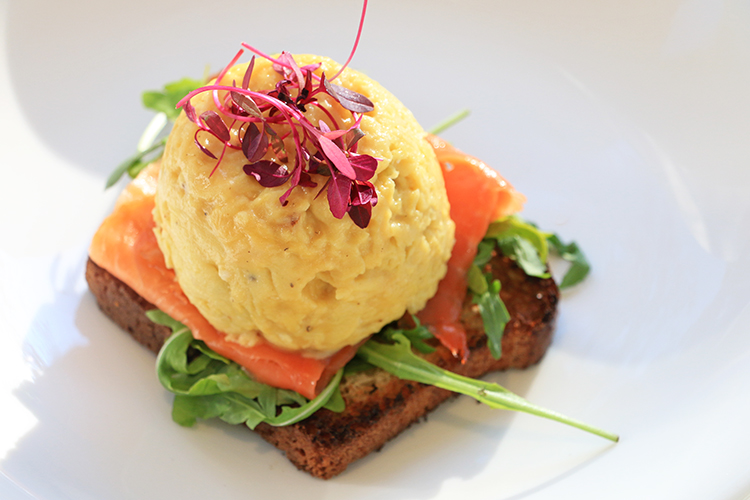
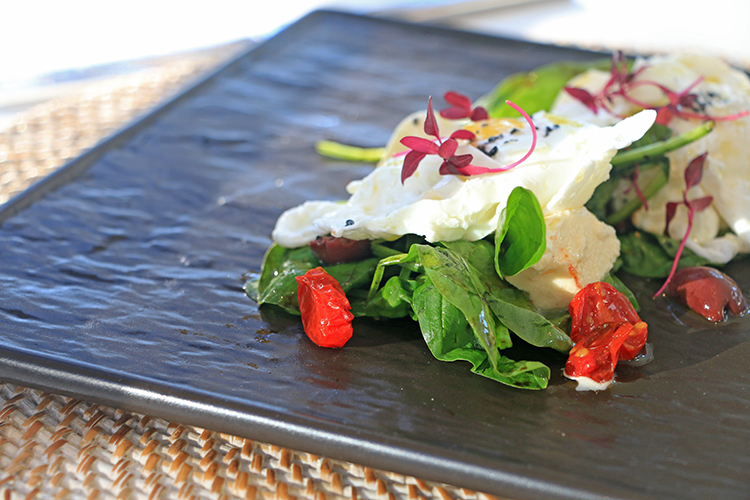
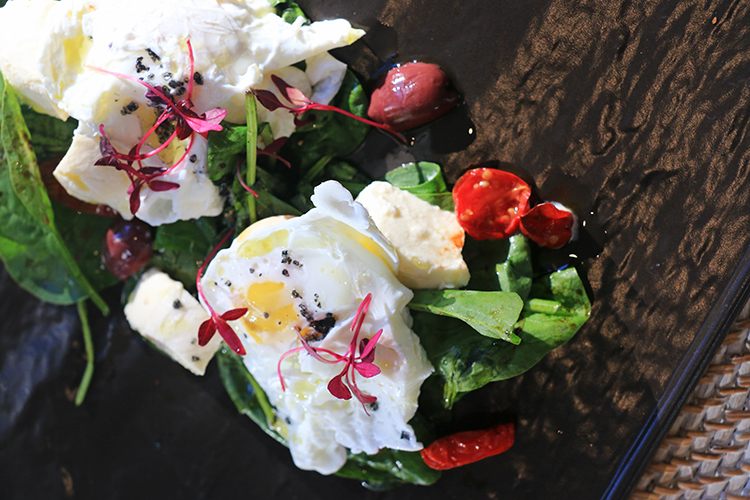
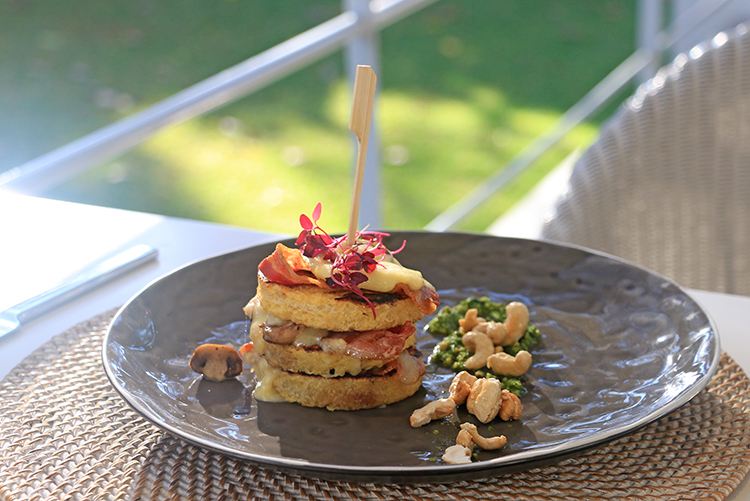
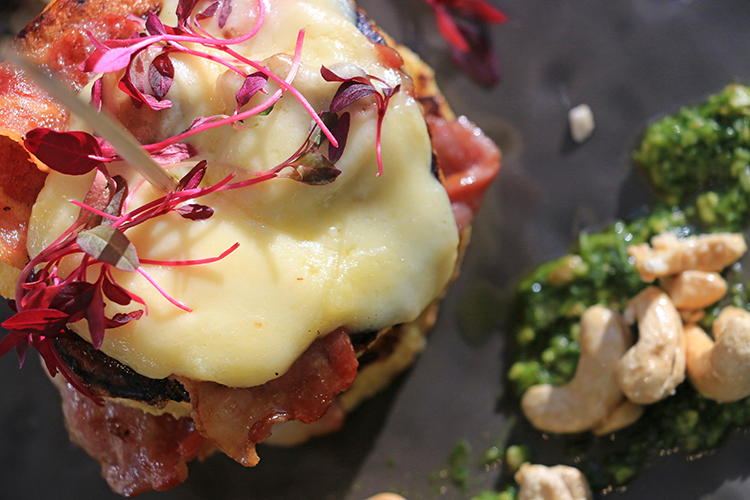
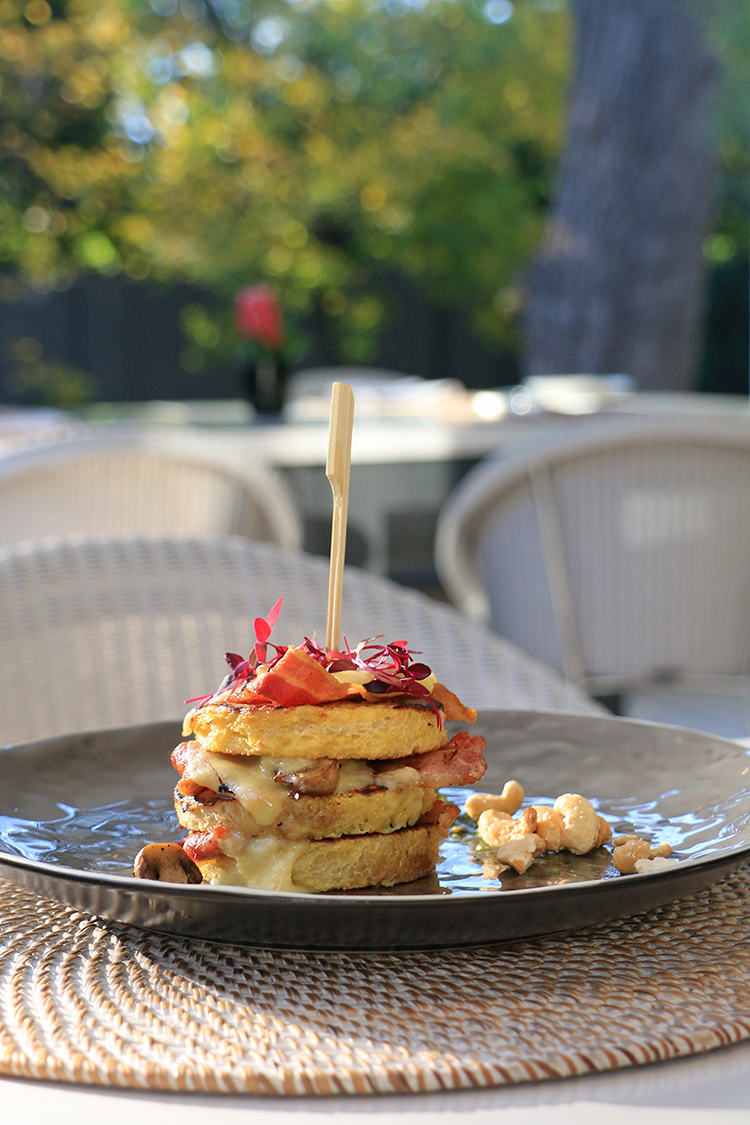
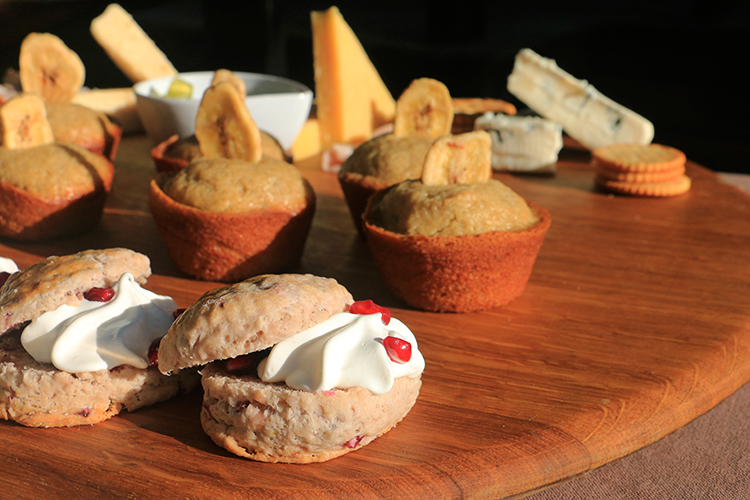
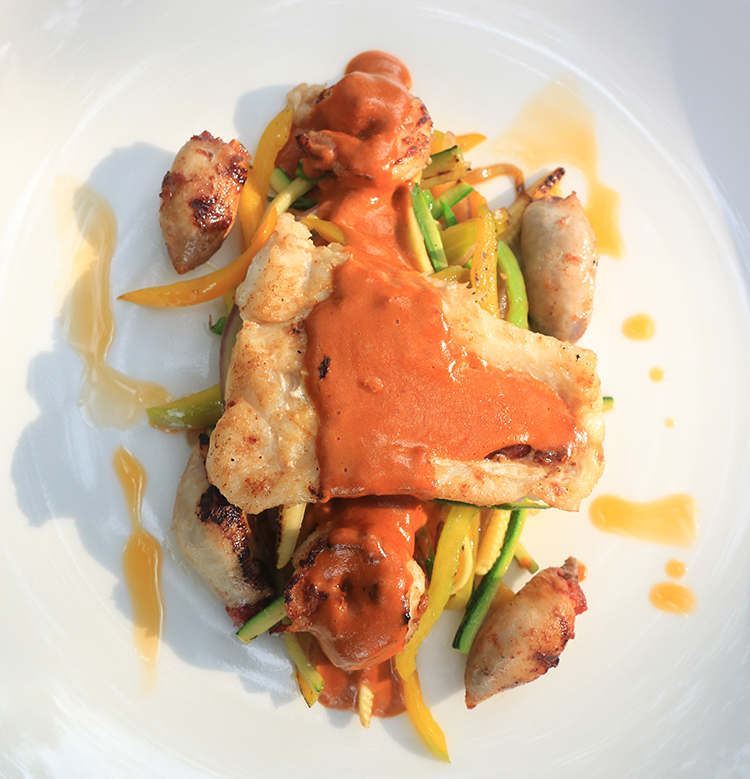
Below are a few images of our latest page out of the epicurist’s guide to starting the morning at AtholPlace Hotel & Villa – from the truffle-infused scrambled egg, with smoked salmon and rocket and toasted rye, to the French toast stack, with crispy bacon, brie, mushrooms, honey roasted nuts and herb pesto.






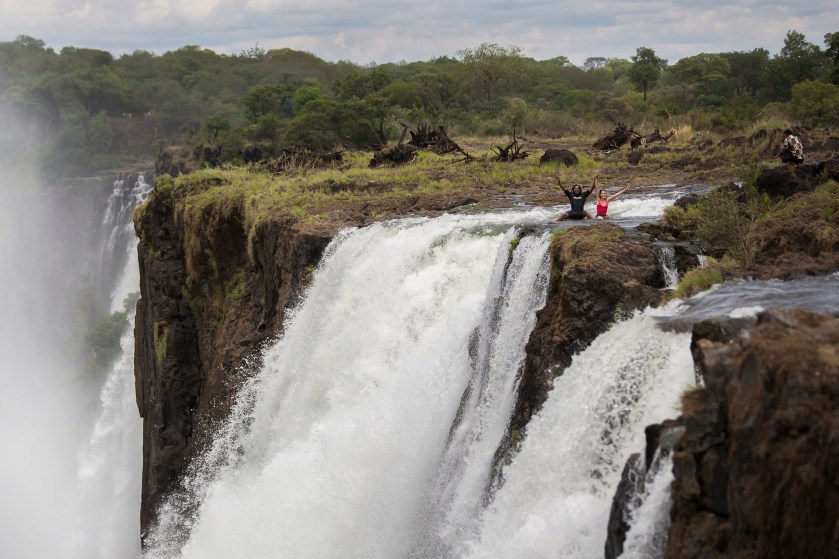

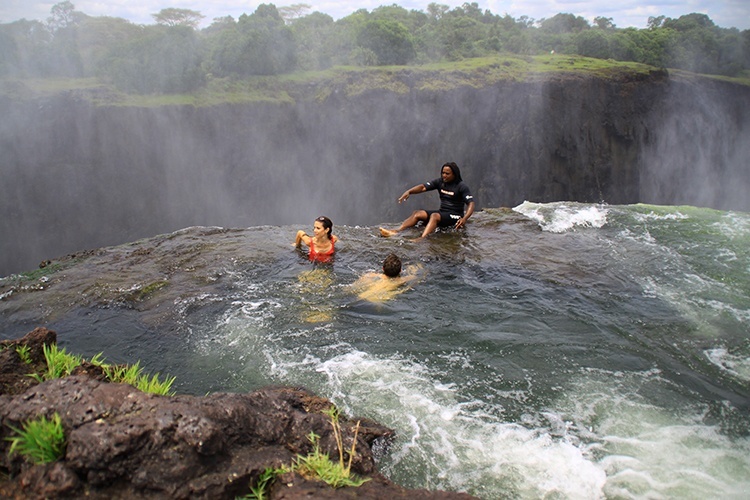
“You know, sometimes all you need is twenty seconds of insane courage. Just literally twenty seconds of just embarrassing bravery. And I promise you, something great will come of it.” – Benjamin Mee, We Bought a Zoo
I remember hearing these words for the first time, watching as Matt Damon, playing Benjamin Mee in the film, We Bought a Zoo, imparts some fatherly advice to his son. I remember my chest suddenly feeling unsteady, taken over by a sort of vertigo, waiting to fall. Not because I so was taken by Damon. And not, I told myself, because I was a big softie. It was because the film had managed to do what all art attempts to do. It spoke to me. Right to my core. To the adventurer in me that longs for new and wild experiences but sometimes needs a little push out of the plane.
There are certain times when the brave soul inside each of us is called into action. For some of us, it is the simple act of making the first move in love. For others, it is getting back on that thoroughbred after being kicked off. Africa is full of opportunities that call on those twenty seconds of insane courage.
Read ten that get the heart flustered without fail in the original article published on Relais & Châteaux Africa’s blog.
“And I promise you, something great will come of it.”

Published first on the Relais & Châteaux Africa blog
There is a joke that goes,
Five people — an Englishman, Russian, American, Frenchman and Irishman were each asked to write a book on elephants. Some amount of time later they had all completed their respective books. The Englishman’s book was entitled “The Elephant — How to Collect Them.” The Russian’s book titled “The Elephant — Vol. I.” The American’s book called “The Elephant — How to Make Money from Them.” The Frenchman’s book was “The Elephant — Its Mating Habits.” The Irishman’s named his book “The Elephant and Irish Political History.”
Despite not being French, but perhaps heavily influenced by the roots of Relais & Châteaux, I gravitate toward the Frenchman’s title on the proverbial book shelf. Being South African, there isn’t a title suggestion from our camp, but I could offer the cruder, “How to Braai an Elephant”, or, rather, “An Elephant’s Guide to the Vuvuzela”.

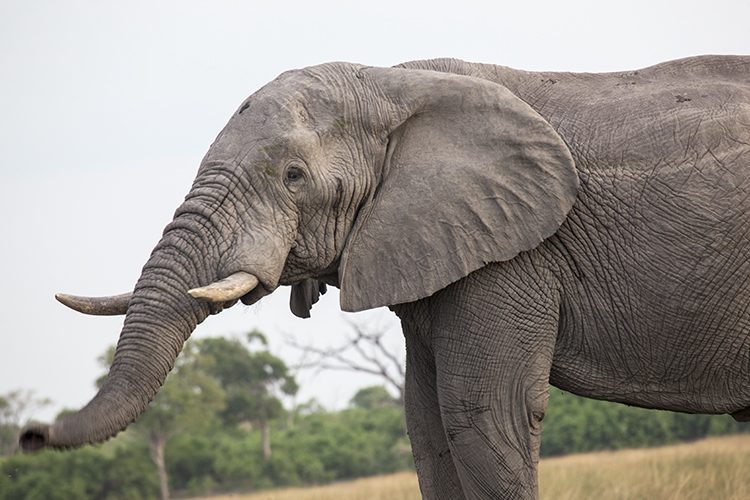
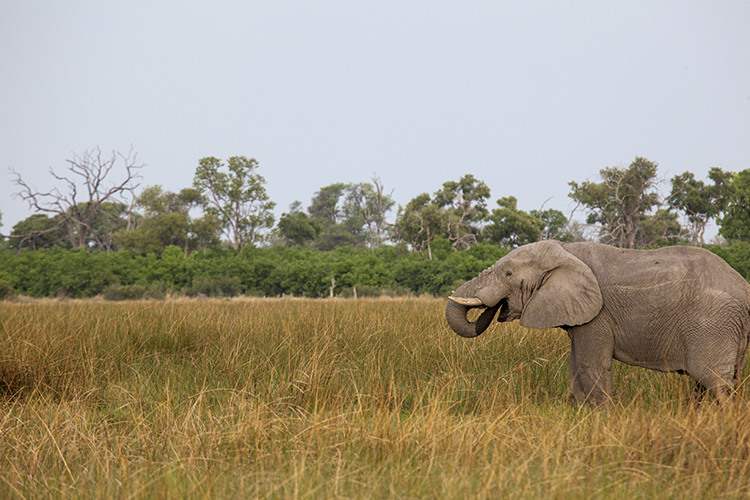
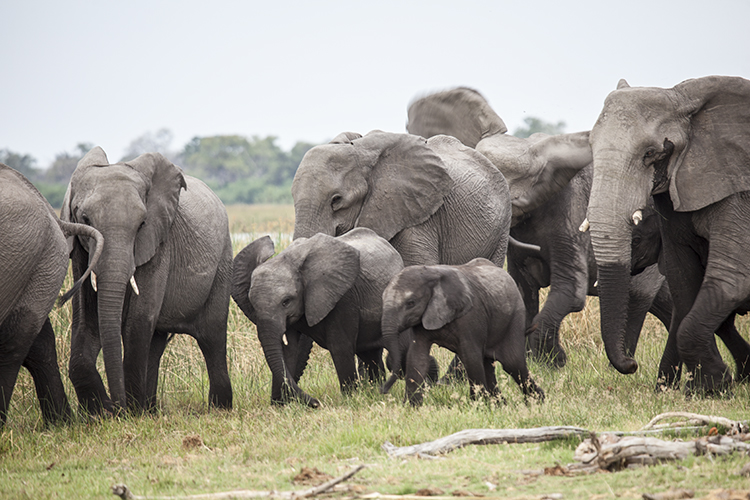
Once wisened to the mating habits of these rather unsexy individuals, I’d go the Englishman’s route. Which brings me to today and this blog. I haven’t the space for collecting the physical animals, but I do entertain myself with a photography collection thereof. If you’ve been on safari in Africa, you probably understand this. You too probably have infinite images of elephants in various poses that you forgot you had – and then stumble upon one day after someone tells you a strange joke about them.
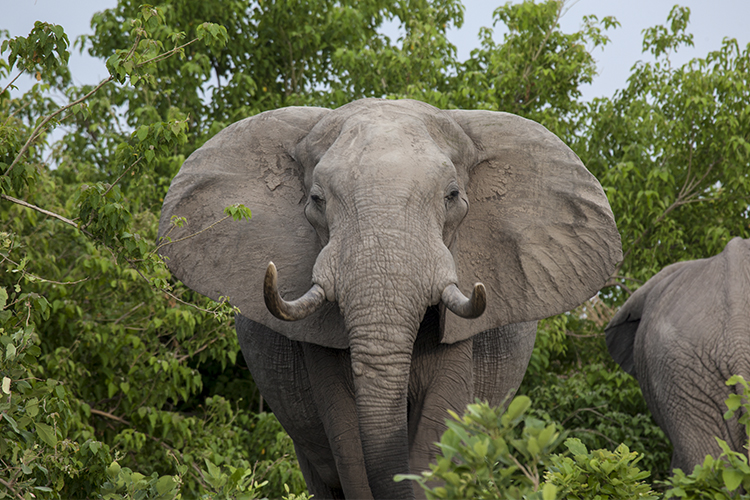
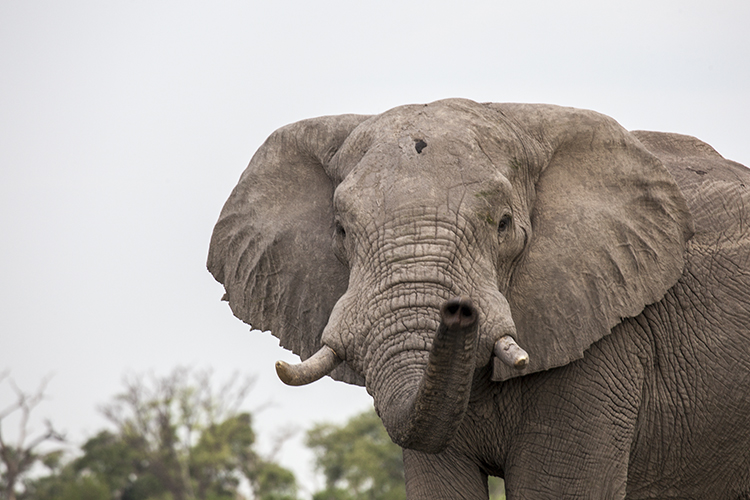
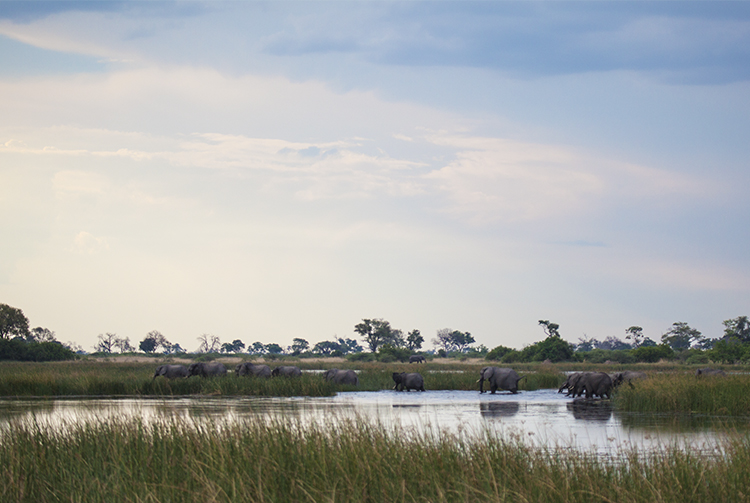
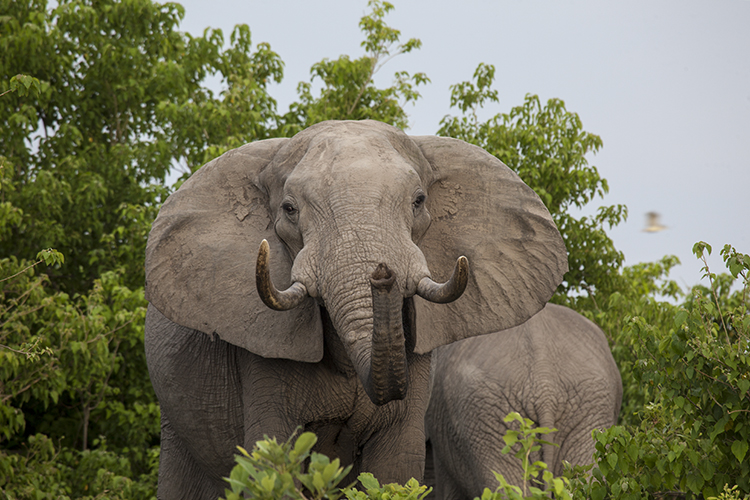
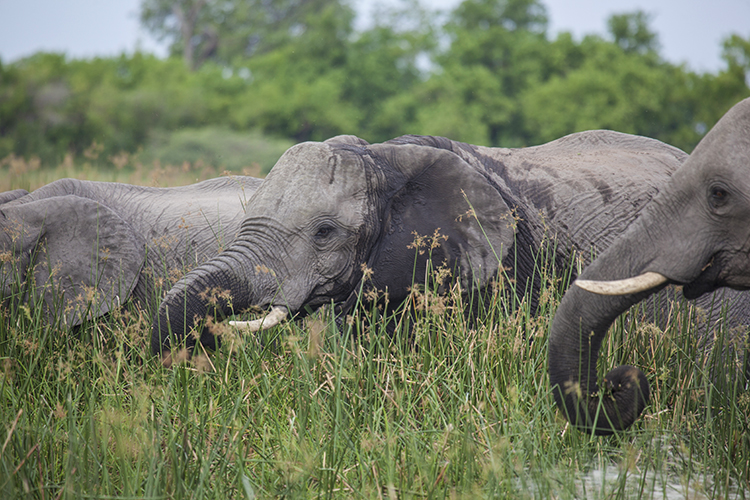
Here are a few from our safari at Zarafa Camp, overlooking the Zibadianja Lagoon in the Selinda Reserve, in northern Botswana. The Selinda Reserve lies in the Selinda Spillway, which weaves its way east, linking the far reaches of the Okavango Delta in the south with the Linyanti and Chobe water systems in the east. Discover more about this Great Plains Conservation lodge here.


Read more about the elephants of the African wild in our blogs:
The Soul of the Elephant
The Sisterhood of the Animal Kingdom
You Never Forget an Elephant
The Call of the African Waterhole
Published on Relais & Châteaux Africa’s blog
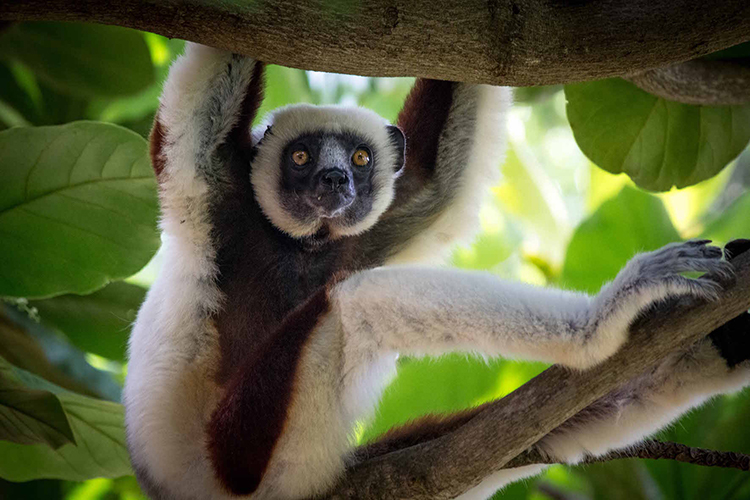
There are many things lemurs can teach us about life. Like how to keep the mystery alive (new species of lemur continue to be discovered even to this day); how to dance like no one’s watching (case in point: the coquerel’s sifaka that make the garden at Anjajavy l’Hôtel their own dance floor, while guests look on from afternoon tea); and how to look at life from different angles (the sifaka are wont to dangle upside-down languidly from tree branches).
Here are 10 more lessons in lemur life that can be observed while at Anjajavy l’Hôtel and exploring the greater island. Consider it The Law of the Lemur, the only self-improvement guide you’ll ever need.
Thank you, lemurs, thank you very much.
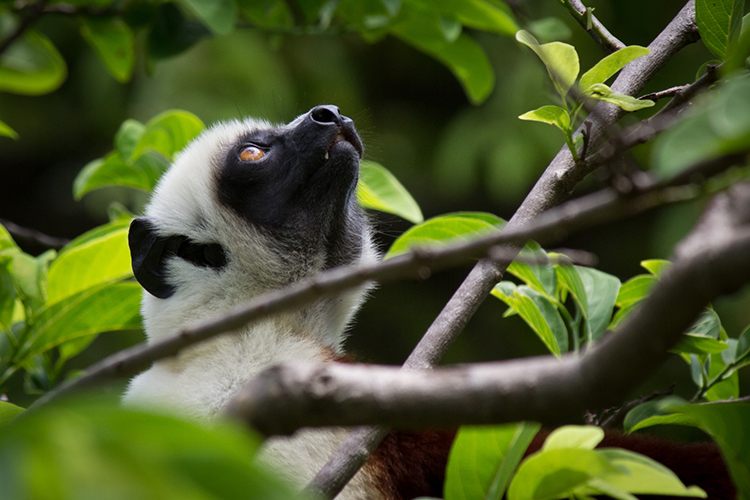
It is believed that lemurs first arrived on the island of Madagascar eons ago, via raft – in the most basic sense of the word, “raft”, as in large buoyant logs or floating carpets of vegetation, according to National Geographic. Following their arrival, they continued to live, and evolve, in isolation for centuries.
* Lemurs weren’t the only animals to journey to Madagascar in this way. About 50 million years ago, they were followed by hedgehog-like tenrecs and then mongoose-like carnivores such as the fossa, and finally rodents 24 million years ago.
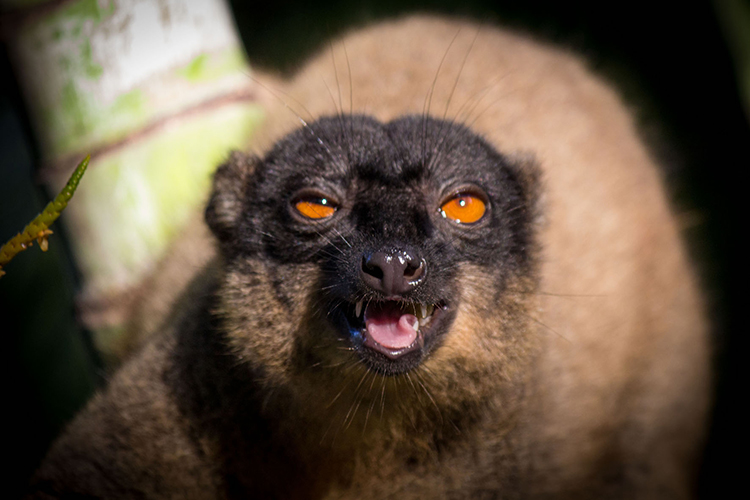
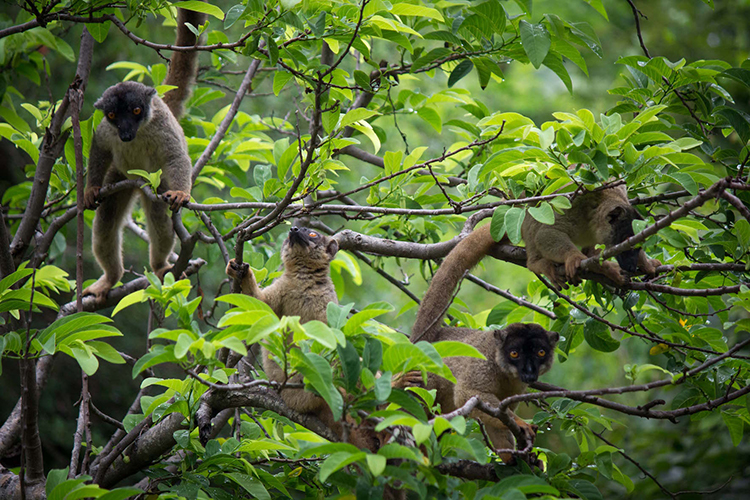
Lemurs are not quiet animals. They like to make themselves known using a range of sounds – from the grunts and swears of brown lemurs and sifaka and the chirps of mouse lemurs to the eerie, wailing call of the indri, which has been likened to a cross between a police siren and the song of a humpback whale, according to Wild Madagascar.
While the different species of lemur each have their own individual diet of choice, lemurs are known to be less fussy when hungry. In these instances, they are known to eat anything edible, whether or not it is their preferred food. Ring-tailed lemur live mainly on fruit, but also eat leaves, flowers, tree bark, and sap. When hunger strikes, insects and small vertebrates will suffice. Opportunistic much?
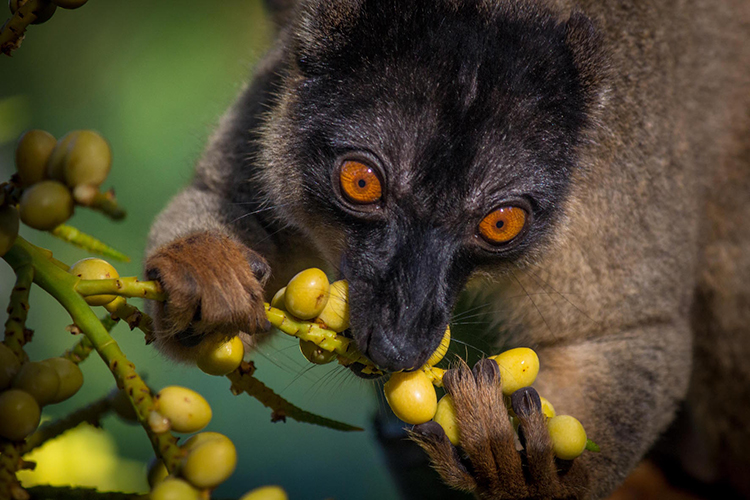
Females rule the social sphere in lemur scoiety, compared to most other primates and mammals where males are dominant. Read more from: The World Animal Foundation.
Lemurs might do well in their own island environment, but they’d never succeed around a poker table. Their facial expressions are distinct and aplenty – the threat stare, the yawn threat, pulled back lips for submission, and pulled back ears along with flared nostrils during scent-marking. Even their tails are in on the action, and help to communicate distance, to warn off neighbouring troops and to locate troop members.

Lemurs are social beings and live in groups that usually include up to 15 individuals. While nocturnal lemurs are mostly solitary, foraging alone at night, they are social during the day, nesting in groups. Similarly, the lone forager dwarf lemur also prefers to sleep among its social group. When not nesting together, lemurs like to keep in touch with their brood through both vocal and physical communication.
…whether it’s trying to run your first 5 km race or taking up salsa dancing. Just look at the sifaka, whose attempts to walk on splayed feet resemble something more like the dance scene in Pulp Fiction. Nonetheless, they continue on their path, hopping sideways on hind legs with bellies thrust out and arms held outward.
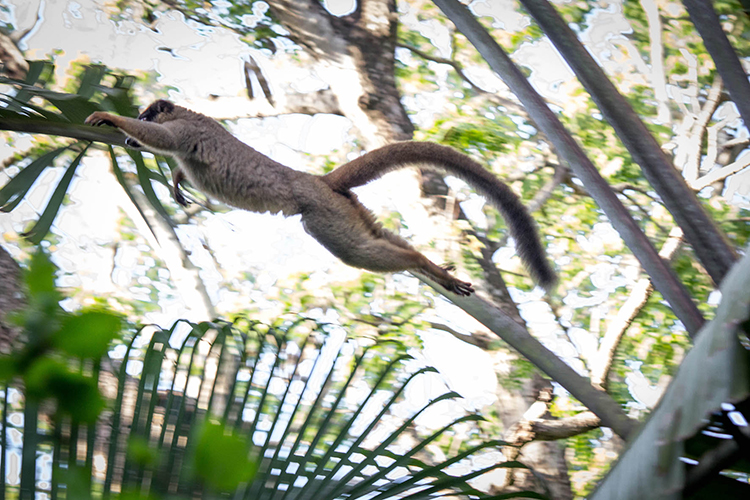
Another of the lemur’s peculiar habits is their own form of hibernation… Madagascar’s fat-tailed dwarf lemur is the only primate known to hibernate for extended periods. The island’s seasonal environment has led to mouse lemurs and dwarf lemurs adopting behavioral cycles of dormancy to match the changes in weather. To conserve energy and water, they lower their metabolic rate and body temperature while hibernating. They also accumulate the fat reserves in their hind legs and the base of their tail before the dry winter season, when food and water are scarce. The ring-tailed lemur, ruffed lemurs and sifakas don’t hibernate, but they are commonly seen sun-tanning, using solar radiation to warm their bodies instead of metabolic heat.
Read more from: Live Science
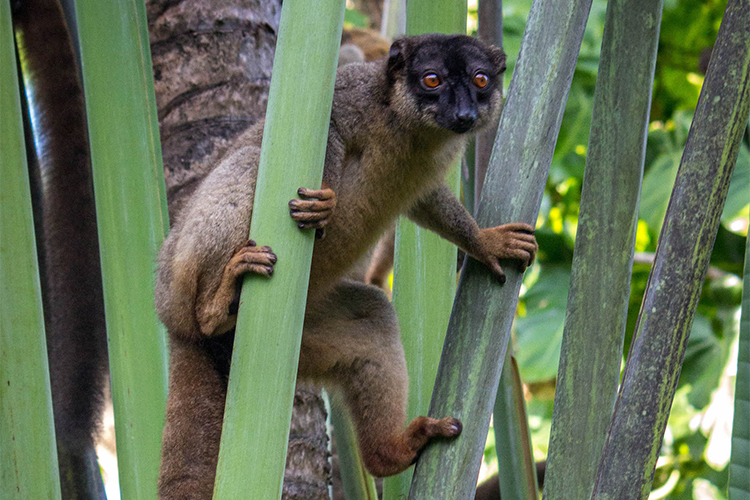
While some might believe the pen to be mightier than the sword, the ring-tailed lemurs prefer to outstink their opponents. Their powerful scent glands emit a unique odour which they use as both a communication tool and a kind of weapon.
“Lemurs mark their territory by scent, serving notice of their presence to all who can smell. During mating season, male lemurs battle for dominance by trying to outstink each other. They cover their long tails with smelly secretions and wave them in the air to determine which animal is more powerful.”
Read more from: National Geographic
Looks are not everything – the aye-aye proves that very well – but sometimes you just want to fling on a coat and top hat and pretend like the world is but a stage… Like the indri lemur, with its button nose, round ears and small eyes that lead many to compare it to a teddy bear. The red ruffed lemur with its spectacularly rich russet coat. The ring-tailed lemur, its racoon-like black and white fur, continuing down to a series of black and white rings around its tail. Or the unique coquerel’s sifaka with its long, handsome body and bright puppy-dog eyes.
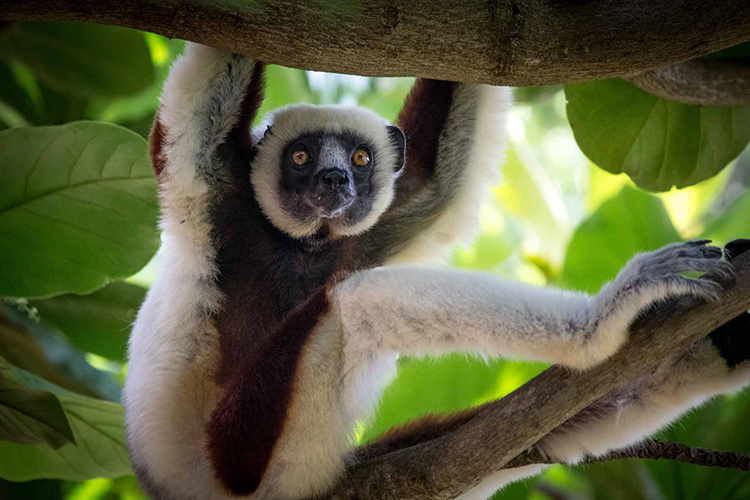
All images courtesy of Anjajavy l’Hôtel

[Published on the Relais & Châteaux Africa blog]
Most of us start out in life as rather eager artists. Our first art studios are the creches or primary schools of our youth or the tables of our family homes (also, sometimes the canvas itself, along with the walls and bed linen for the more avant-garde little ones).
Our first materials are any pencil, pastel, play-dough or paint we can find; sometimes toes and fingers replace paint brushes, but the idea is the same. We engage in art for fun, as part of the explorations typical of childhood. Some of us create our art for chaos sake, or to express an emotion we don’t have words for, or that words are not enough for. Sometimes we do it for reward – the approving smile or words of affirmation from our teachers and parents. Not much has changed for the men and women of the brush or charcoal stick, clay or pottery wheel.
Art’s purpose, our purpose in pursuing art, goes far beyond the simple statement, “art for art’s sake.”
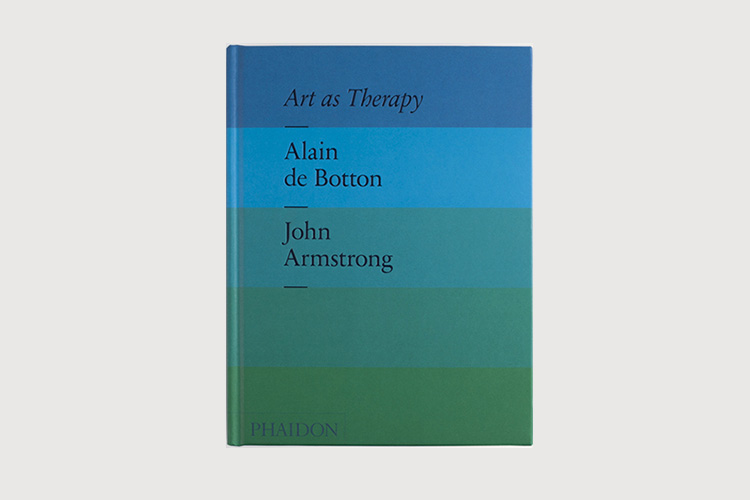
Alain de Botton, the Swiss-born, British-based philosopher and television presenter, sees art as a form of therapy. In his book, Art as Therapy, he proposes that art has a clear function: as a therapeutic tool to help us lead more fulfilled lives.
He concludes that the belief that art should be ‘for art’s sake’ has unnecessarily held back art from revealing its latent therapeutic potential and that it can, in fact, help us with our most intimate and ordinary dilemmas, such as: What can I do about the difficulties in my relationships? Why is my work not more satisfying? Why do other people seem to have a more glamorous life? Why is politics so depressing?

The book explains how to go about using art in this way, outlining these seven main functions of art below – to paraphrase from the book (if you’re interested in finding out more, click here):
Try it out the next time you find yourself in an art gallery or one of the great museums of the world, or surrounded by some of the incredible artworks of hotels such as Ellerman House in Cape Town and Delaire Graff Estate in Stellenbosch.
Discover more on Art as Therapy’s website.
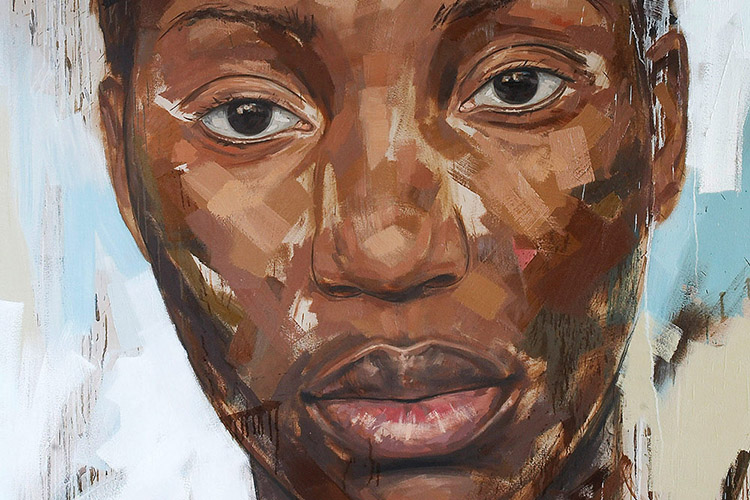
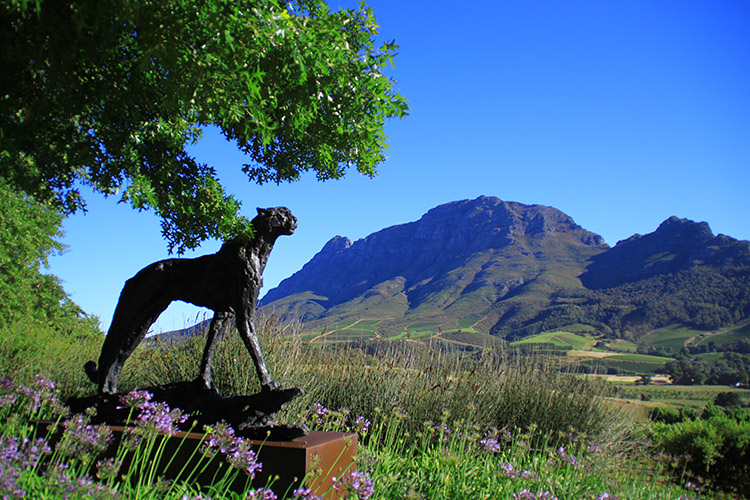
A world-class art destination in the Stellenbosch Valley, Delaire Graff Estate offers a rare chance for art aficionados to view some of Laurence Graff’s personal art collection in an outstanding setting. Frequently named one of the world’s top art collectors, Laurence Graff’s collection at the Estate is a carefully curated showcase of some of South Africa’s finest contemporary artists.
In 2013 a very special painting was returned home to South Africa and Delaire Graff Estate. One of the most iconic pieces of the 20th Century – and the first piece of art to inspire a lifelong passion in Laurence Graff – guests can view Vladimir Tretchikoff’s iconic Chinese Girl, currently on display in the entrance to the main building.
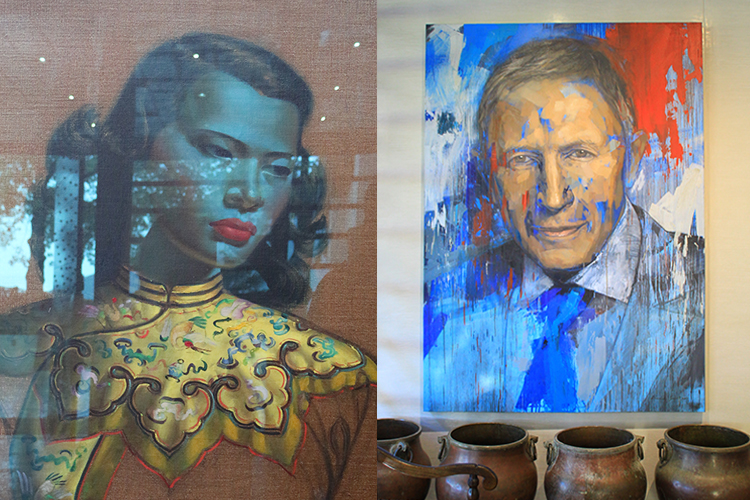
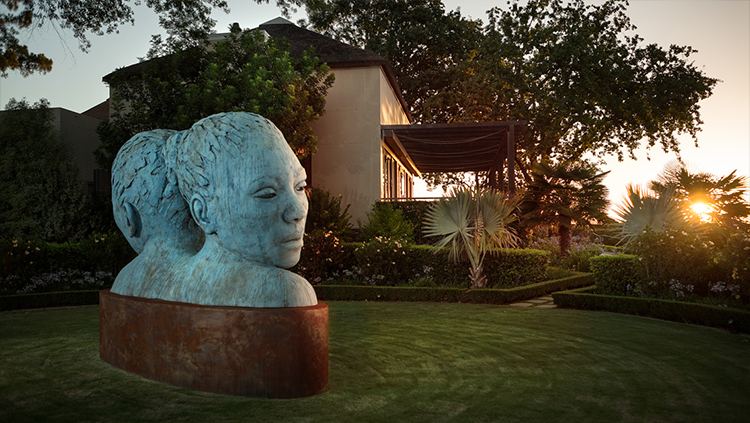
Fine art is the soul of Ellerman House and the collection that line the walls is what sets us apart form other boutique hotels in South Africa. The art works span over two centuries, from the works of the famous Thomas Bowler showcasing Cape Town in the 1800s to contemporary works from artists such as Lionel Smith and William Kentridge. Ellerman House’s art guide, Talita, runs private tours of the hotel’s art collection starting with the oldest works and ending in the Contemporary Art Gallery, created in 2009. Alternatively, guests can also go on a self-guided iPad tour of the collection in their own time.

If guests are interested in viewing galleries in Cape Town, Talita, an artist and curator herself, is also available for an insider’s tour of Cape Town’s top art galleries, providing behind-the-scenes access and knowledge of some of the city’s most important art.

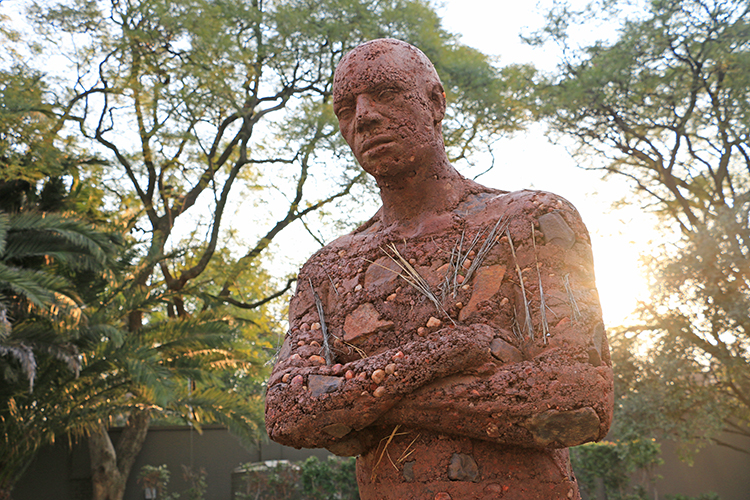
Also noteworthy is the art at AtholPlace Hotel & Villa in Johannesburg, South Africa’s other great city, from the paintings and other works of art on the walls inside the hotel to The Waiting Man, the treasured garden sculpture created by artist Angus Taylor. Read more.
Read more: www.artastherapy.com

The question has often been asked. Do people make places?
Forbes once addressed it in their blog, noting, “Some cities have been smoking hot for a while now; others are just recently catching fire. They share a lot of DNA, generally having universities, an investment-friendly culture and political will to support innovation. But perhaps most important is the humapn factor.”
In my experience, it’s quite simple. Yes. Yes, they do. People make places. Even for non-people-people, there are many special places in the world that manage to bring out your gregarious, telephone-number-swapping side. Places where the hidden social butterfly patters its wings a little harder, a little less incognito, in answer to the like-minds whose paths you cross.
It is this phenomenon that draws me to AtholPlace Hotel & Villa in Johannesburg.

People say that, as a city, Johannesburg is notably friendly. In a going-out-of-their-way-to-help-you kind of way that always ends with the words, “We’re having a braai on Friday. Why don’t you join us?” This is unusual in big cities, but it’s a theory that rings true for AtholPlace as well.
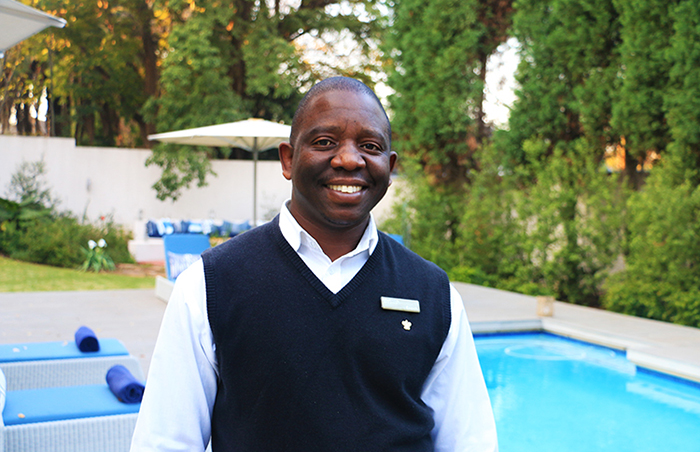
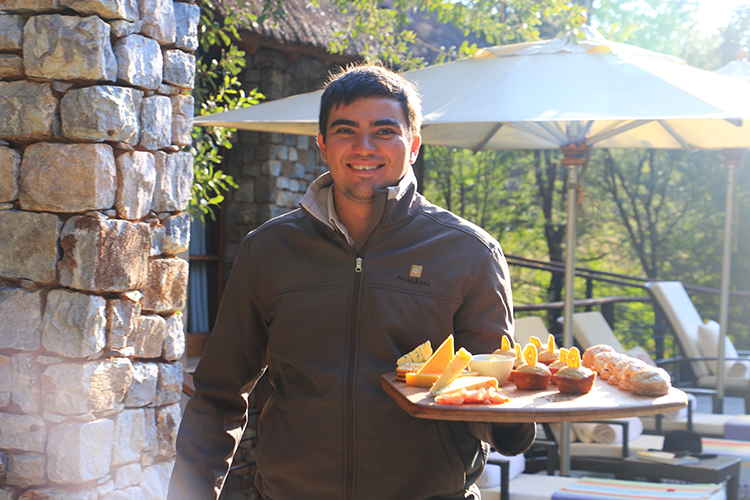
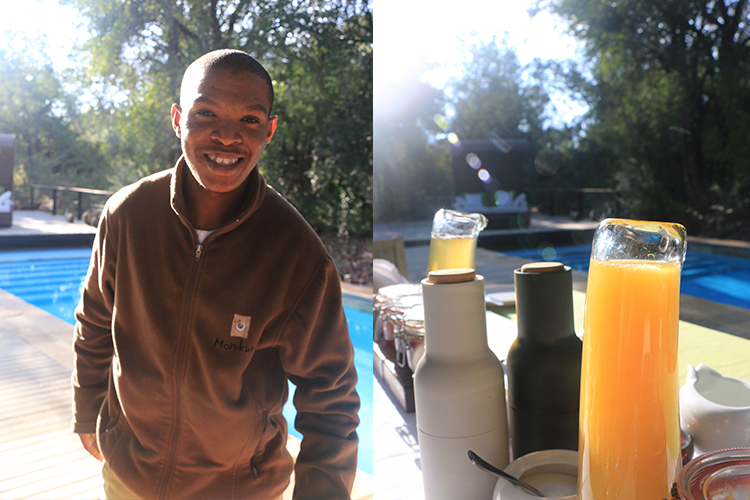
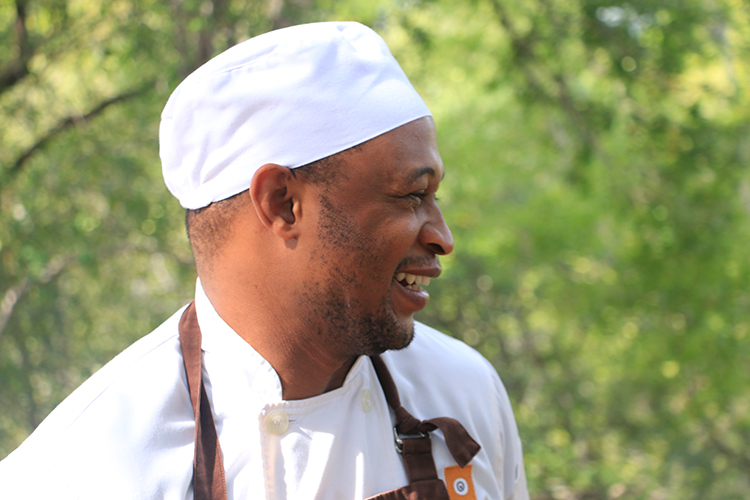
Since AtholPlace opened its doors in Sandton in Johannesburg, people continue to return to the hotel for this very quality. Even when the team changes, moves on to spread their friendliness elsewhere, the hotel holds onto this inherent nature. It is in every face you encounter – whether driver, Tau, Head of Housekeeping, Melinda, and her team of housekeepers, Head Waiter, Enoch, and his team of waiters, or the other hosts, the guests, the owners… They make non people-people, at once, people-people.
Is this what gives Johannesburg its va-va-va-voom? Its je ne sais quoi… What do you think? Do people make the place?
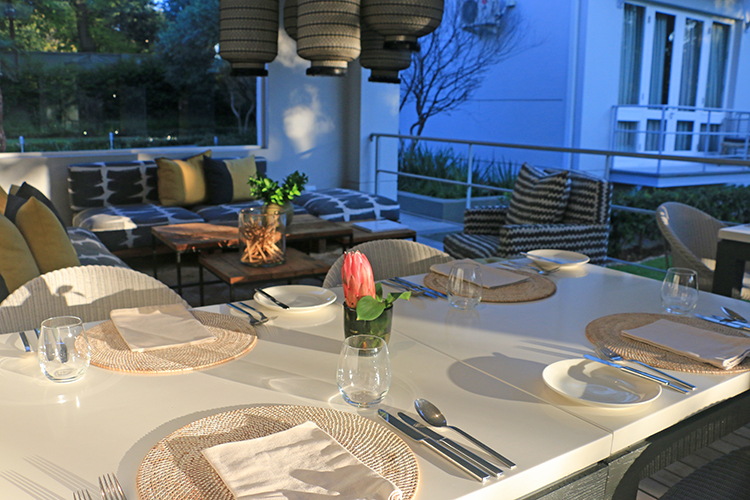
Meet the team at AtholPlace Hotel & Villa below, with these images from our latest visit, and look out for interviews and new foodie photographs coming soon.
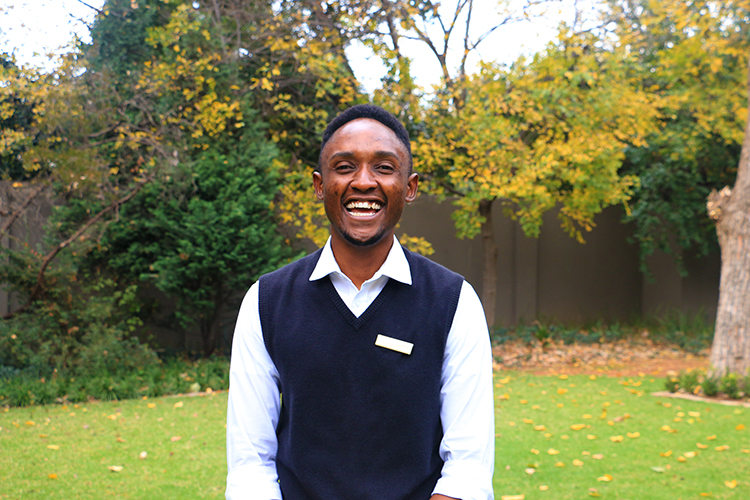
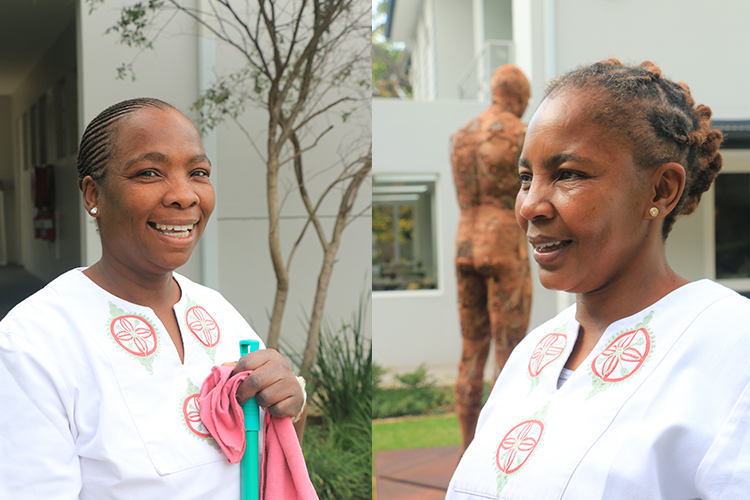
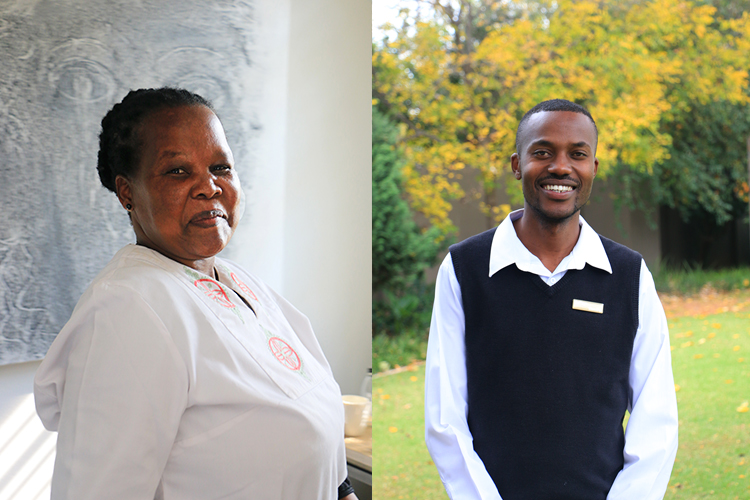
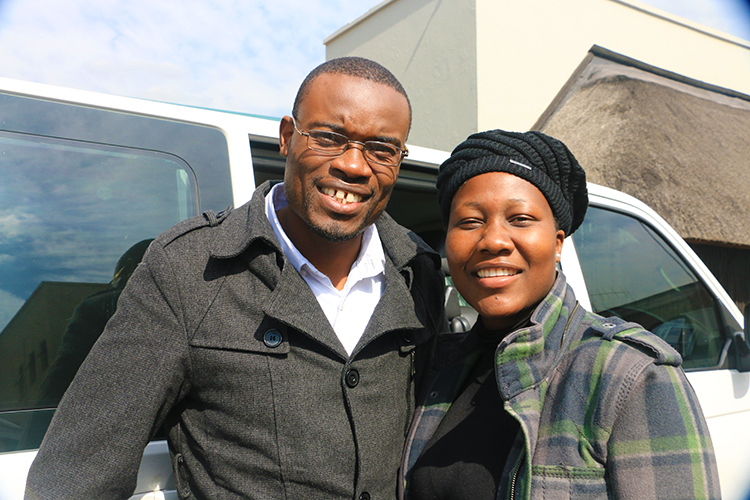
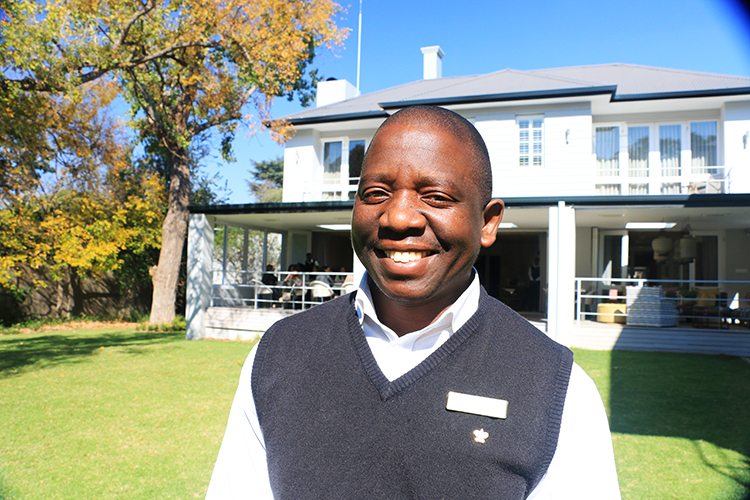
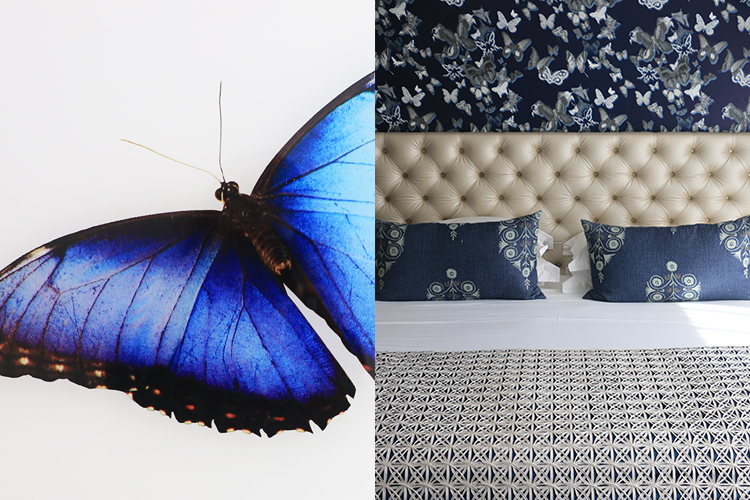
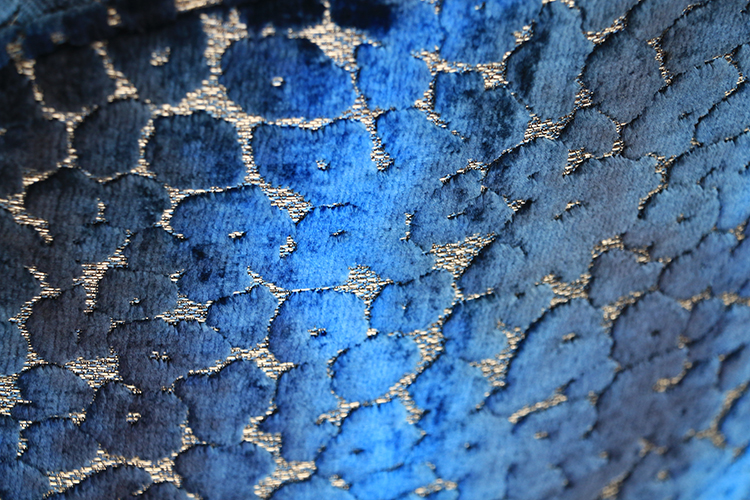
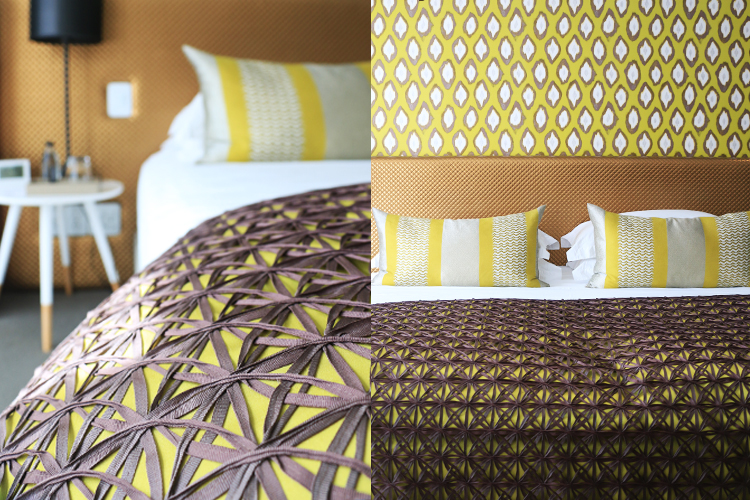
Of course the hotel’s other faces are just as integral to the allure – the suites in both the hotel and villa, their decor, the breakfast spread, the lunches and fireside dinners; the bubble bath foam castles (just me?); the oak trees and jacarandas lit up with purple petals and shading the pools from the outside world, the boma sundowners… And, of course, the people you share it all with.
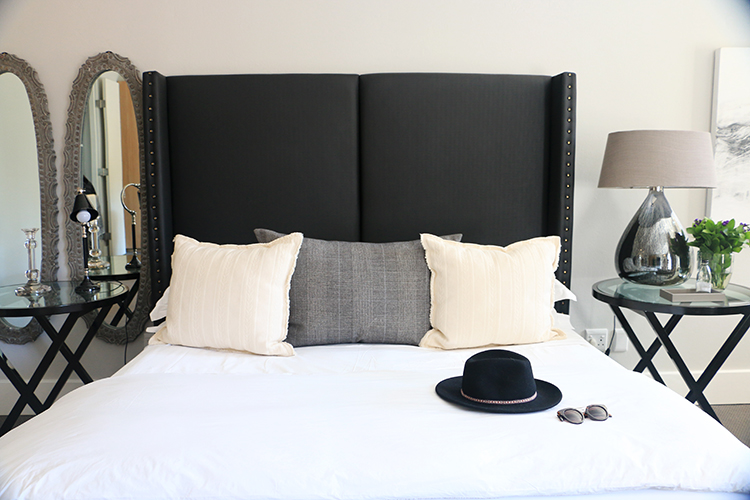



“A place is only as good as the people you know in it. It’s the people that make the place.”
– Pittacus Lore, I Am Number Four

In the name of seeking out those dishes that make you wonder what on earth you were doing eating anything else before, read “The 5 Stages of Dining – A Food Safari at Morukuru Family” on the Relais & Châteaux Africa blog.



First published for Royal Chundu’s blog.
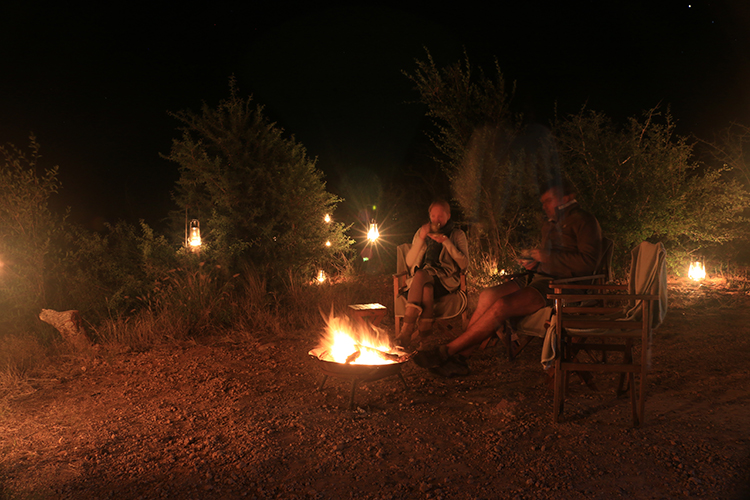
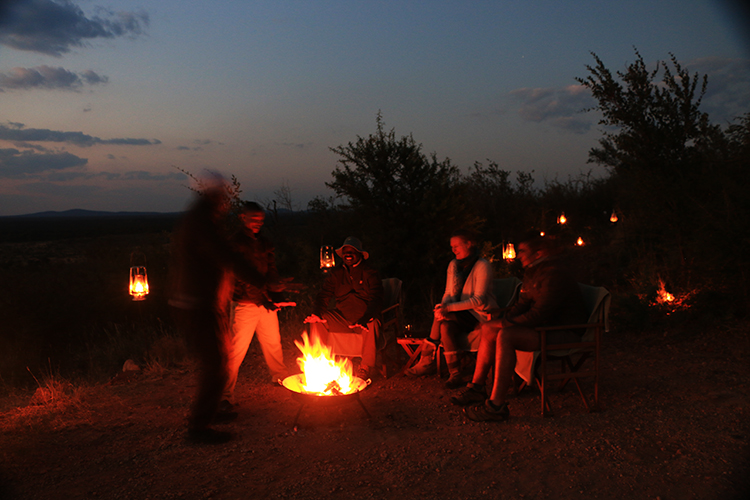
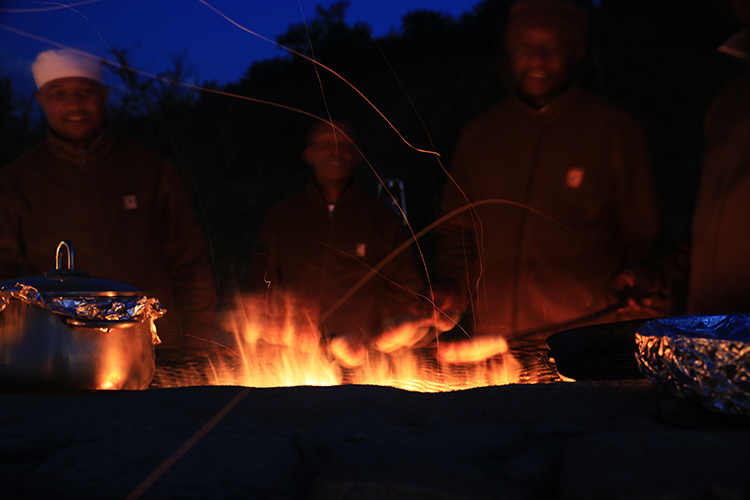
“Darkness — like silence, like solitude — belongs to that class of blessings increasingly endangered in modern life yet vitally necessary to the human spirit,” Maria Popova writes in her piece, In Praise of Darkness.
As a civilisation, we have, largely, voluntarily, become blind to the beauty of darkness, nightblind, so to speak; constantly, anxiously, trying to replace nightfall with extended day. When last did you sit outdoors and take in the entire night and only the night, giving it your full dedication and seeing in it the poetic beauty it intrinsically holds?
Night is the stuff of songs, the muse of musicians… Van Morrison’s Wild Night. Van Morrison’s Here Comes The Night. Ray Charles’ Night Time Is The Right Time. Jimi Hendrix’s Long Hot Summer Night. Frank Sinatra’s Strangers in the Night.
What is night good for? What is it not good for? To Ray Charles, night time is the right time to be with the one you love. The Greco-Egyptian writer, Claudius Ptolemy called it cosmic ambrosia.
American writer and naturalist, Henry Beston, in his 1928 classic, “The Outermost House”, called it: “the true other half of the day’s tremendous wheel; no lights without meaning stab or trouble it; it is beauty, it is fulfillment, it is rest. Thin clouds float in these heavens, islands of obscurity in a splendor of space and stars: the Milky Way bridges earth and ocean…”
“Our fantastic civilization has fallen out of touch with many aspects of nature, and with none more completely than night,” Beston wrote, naming what we lose out on as a result: “that vast serenity, the mystery of infinite space, the austerity of the stars”, “the character or the poetry of night, who have never even seen night. Yet to live thus, to know only artificial night, is as absurd and evil as to know only artificial day.”
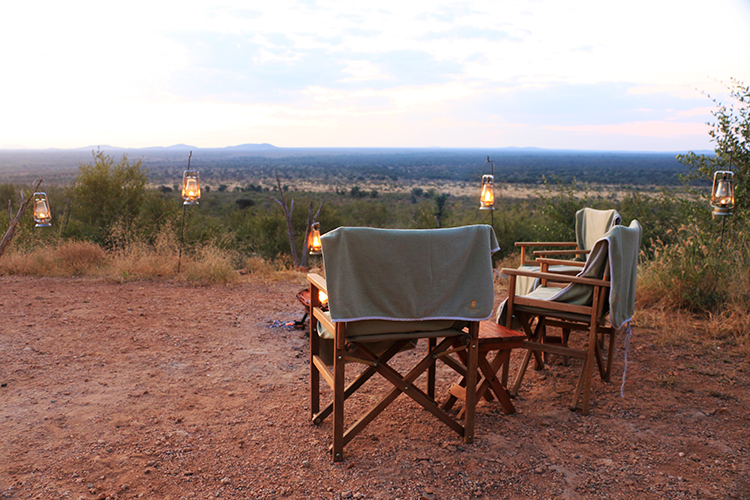
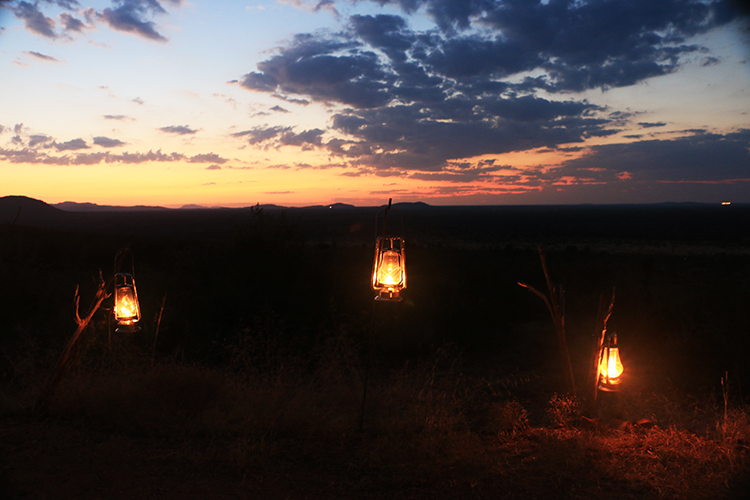
On the Zambezi, in its wildness, its remoteness, night falls and it falls truly, wholly, naturally, and the stars show themselves without fear of being outshone. It is an escape from that which is inescapable in the cities that many of us inhabit – the effluence of artificial light in every corner, at all times – petrol stations, 24 hour cafes, bars, nightclubs, restaurants, security lights, street lamps, televisions still buzzing after midnight for the sleepless, bedroom lamps left on to keep the ghosts out… It is a doorway to that which our ancestors were once privy to daily – day time’s “other half”, the light of the moon and lanterns to guide the way and the complete inky stillness above to accompany you on the deck… the nocturnal animals sounding their hello, along with the wink of the stars.
Read more in the Brainpickings’ article, In Praise of Darkness; Nightswimming with Elephants and Moongazers Anonymous.
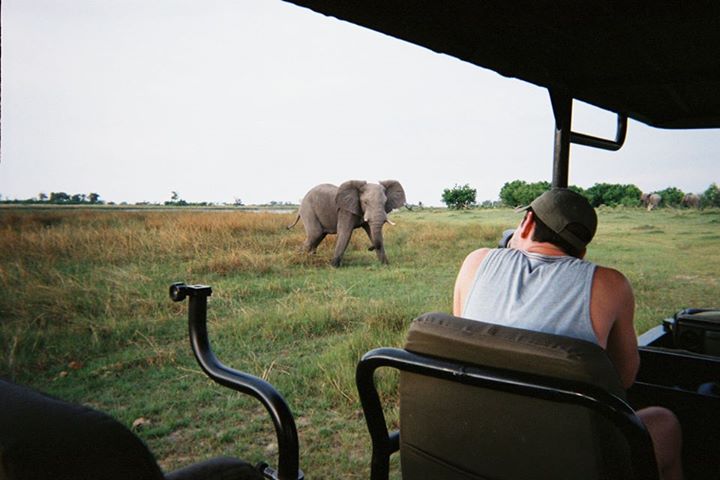

“You know, they say an elephant never forgets. But what they don’t tell you is that you never forget an elephant.” – Bill Murray in the film, Larger Than Life
I remember the elephant’s ears, waving outward to make him seem much larger than he was. Although, let’s not beat around the bush (that’s an elephant’s job), he was large, very large. Frighteningly so. The dust beneath him even tried to flee his gait. As he stamped the earth it rose up around him and fluttered to freedom on the back of the wind. It was the game vehicle that carried us away, quickly, but not too quickly. We were here for him, after all.
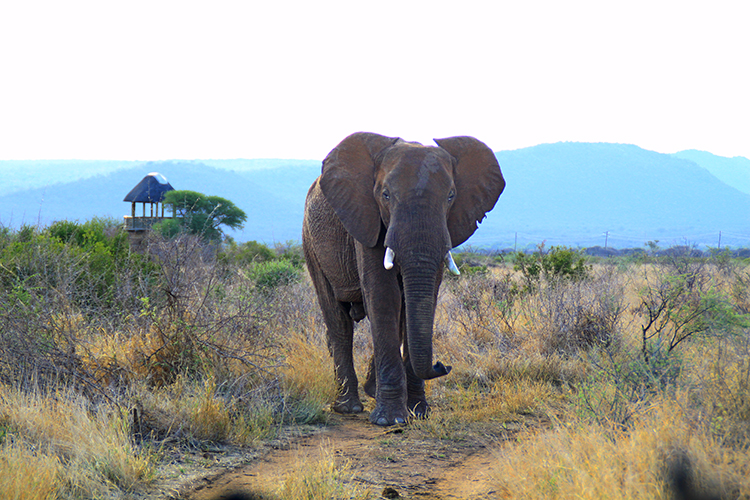
This was Chobe in Botswana, home to more elephants than anywhere else in the world. Moments like this, flapping elephant ears and trumpeting trunks and flying dust are all part of the landscape – as are the calmer moments. I remember these moments best.
The languid amble of the herd through the low waters of Botswana’s Selinda spillway during a trip to Zarafa Camp. Their tiny eyes giving us a once over but not for long. We were perhaps not as interesting to them as they were to us.
Their grand arrival at the banks of the Zambezi River at Royal Chundu one late afternoon, their swims in the shallow stretches late into the night. I had to remind myself to breathe. Between steadying the camera and the stream of question marks taking over my consciousness. Do elephants breathe through their trunks or mouths? I wondered. Can they see me? Do they see colours? Can they hear me? Do they hear the same sounds I hear?
I remember their games. Their light hearts in spite of their heavy bodies. Their Samurai stick shows half-submerged in the waterhole at Camp Jabulani – how much they reminded me of the the herd in Madikwe, at Morkuru Family. I remember how they carried my own body across the wilderness of Kapama. I remember the sensation of rocking back and forth as though in the arms of my mother. How do they not rock themselves to sleep?

I remember nothing but elephants as we took the Landrover out one morning at Londolozi in the Sabi Sand of South Africa. The air was still cold and you could see the steam escape our breath as we greeted them. Hello! We exclaimed, at maybe fifteen or twenty of them, as they continued breakfasting on bushveld. For how else do you greet an elephant? Silence, perhaps. You listen and you feel. I tried silence and I listened and I felt. And I never forgot.
I remember their different faces, their moods, their homes, how they made me feel. Because time spent with elephants is never neutral. It is never the fragment of an experience left out of your memory as the brain tries to prioritise what it holds onto.
They say an elephant never forgets. But what they don’t tell you is that you never forget an elephant.
Published here on Relais & Châteaux Africa’s blog.
 tamlin wightman