Latest Posts

Midnight in Johannesburg

Full article here.

AtholPlace 37

“If you are lucky enough to have lived in Paris as a young man, then wherever you go for the rest of your life, it stays with you, for Paris is a moveable feast.” ― Ernest Hemingway

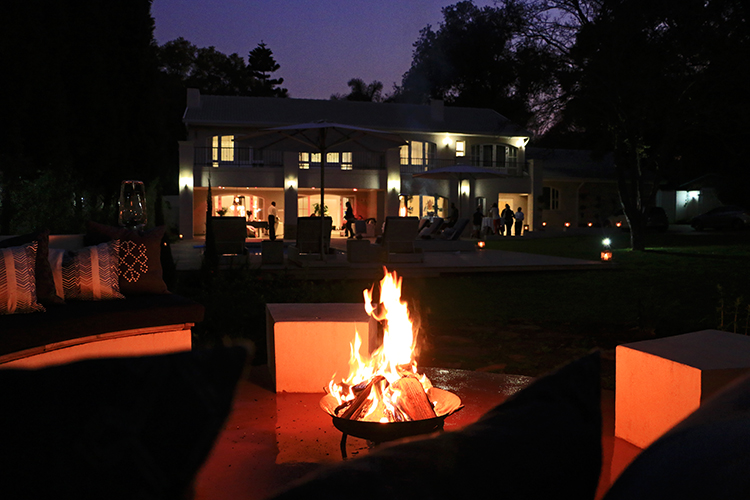
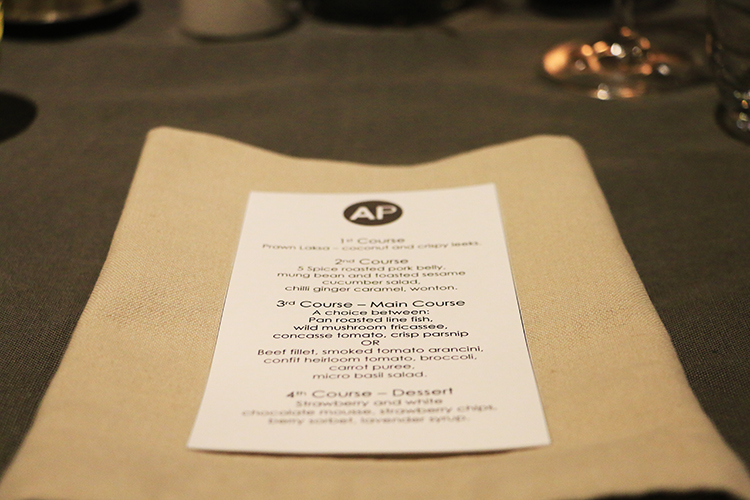
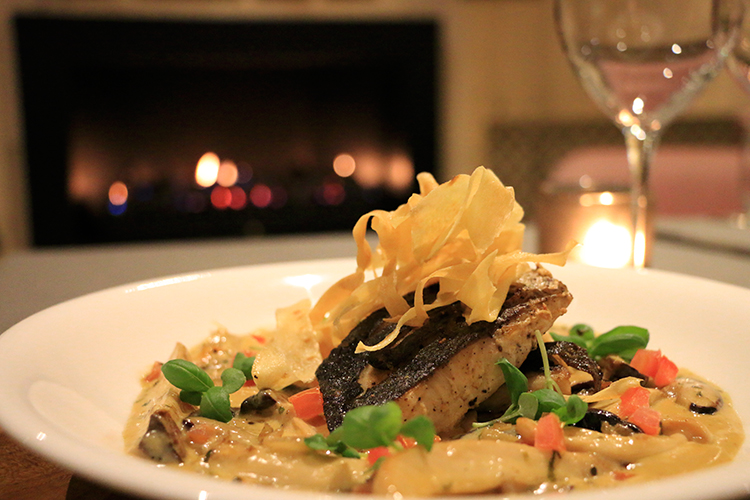
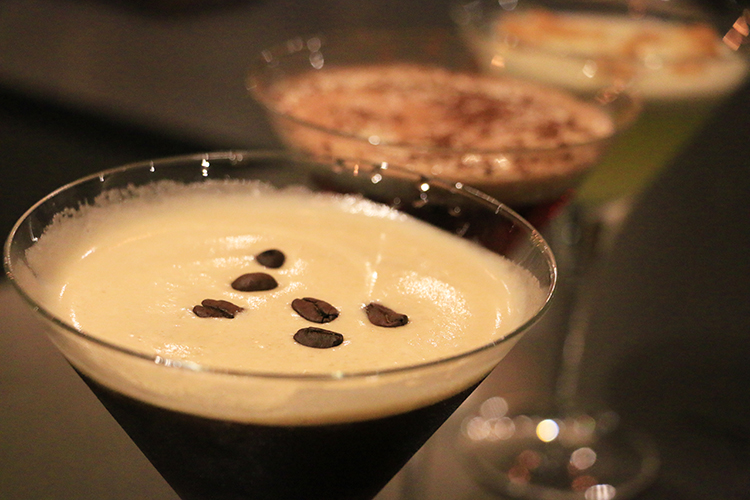
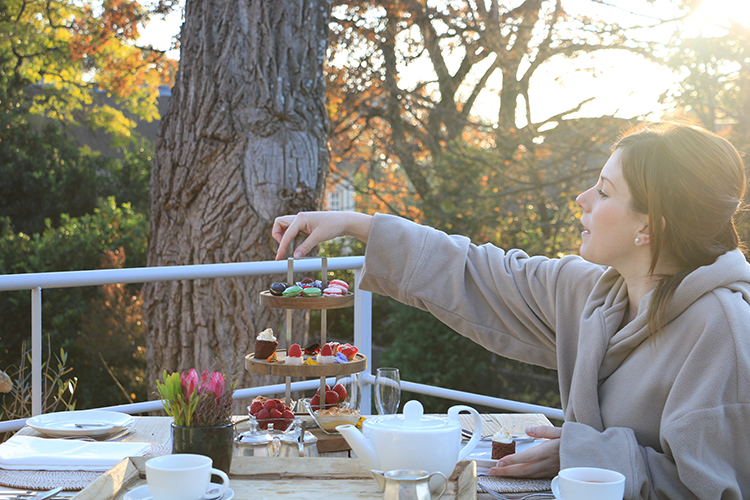
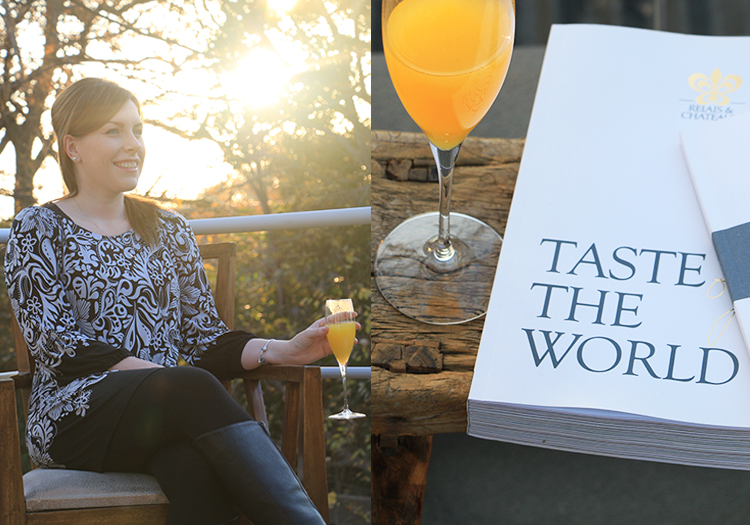
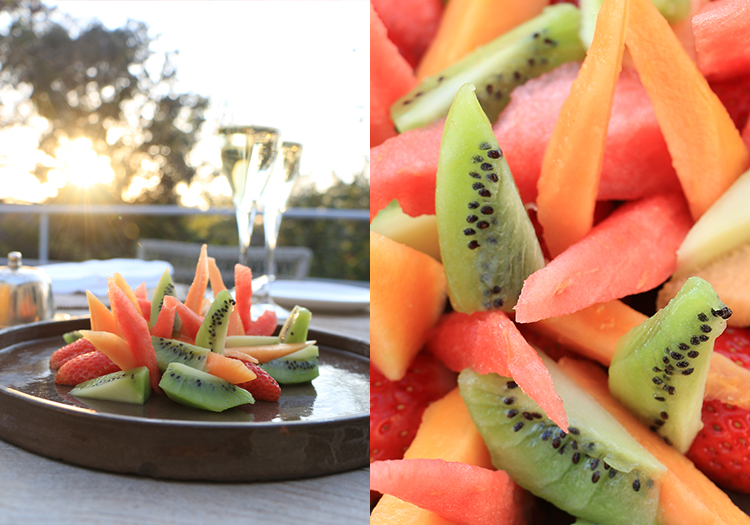
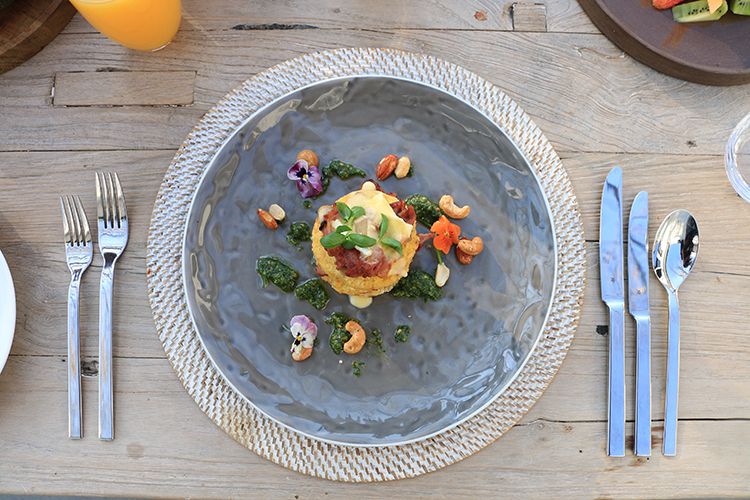
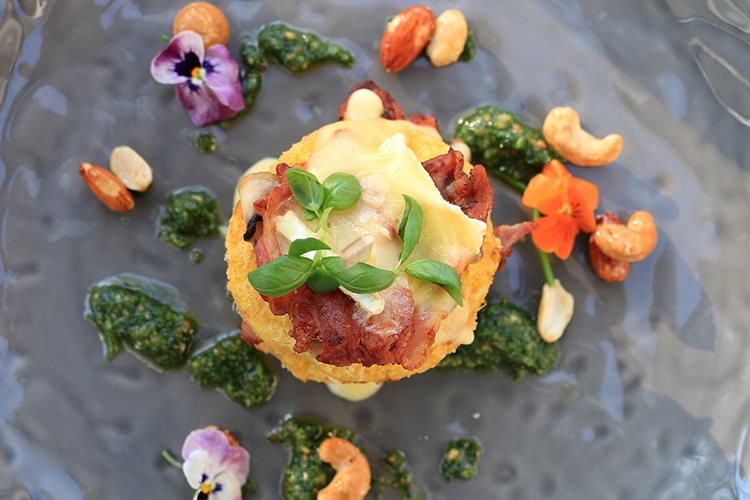
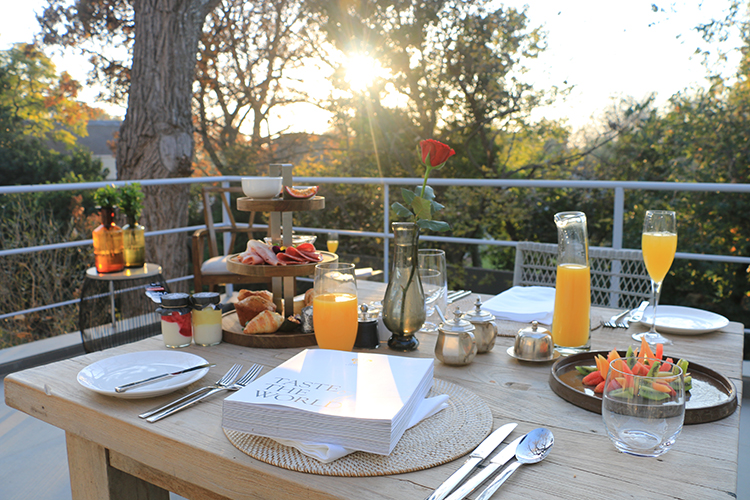
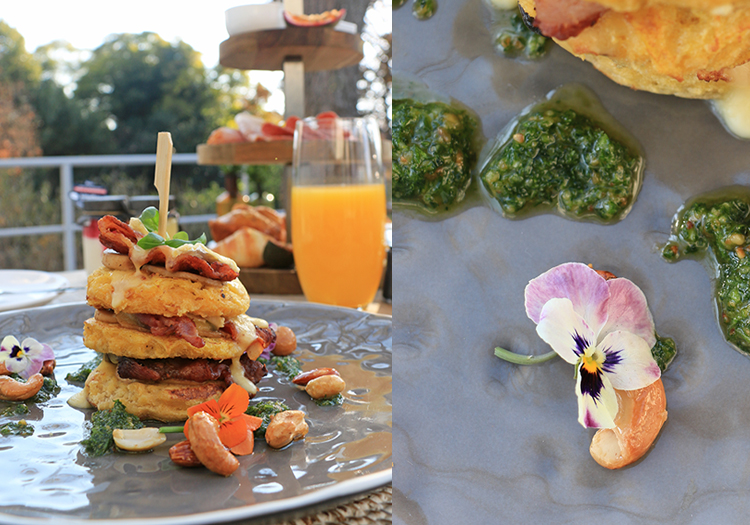
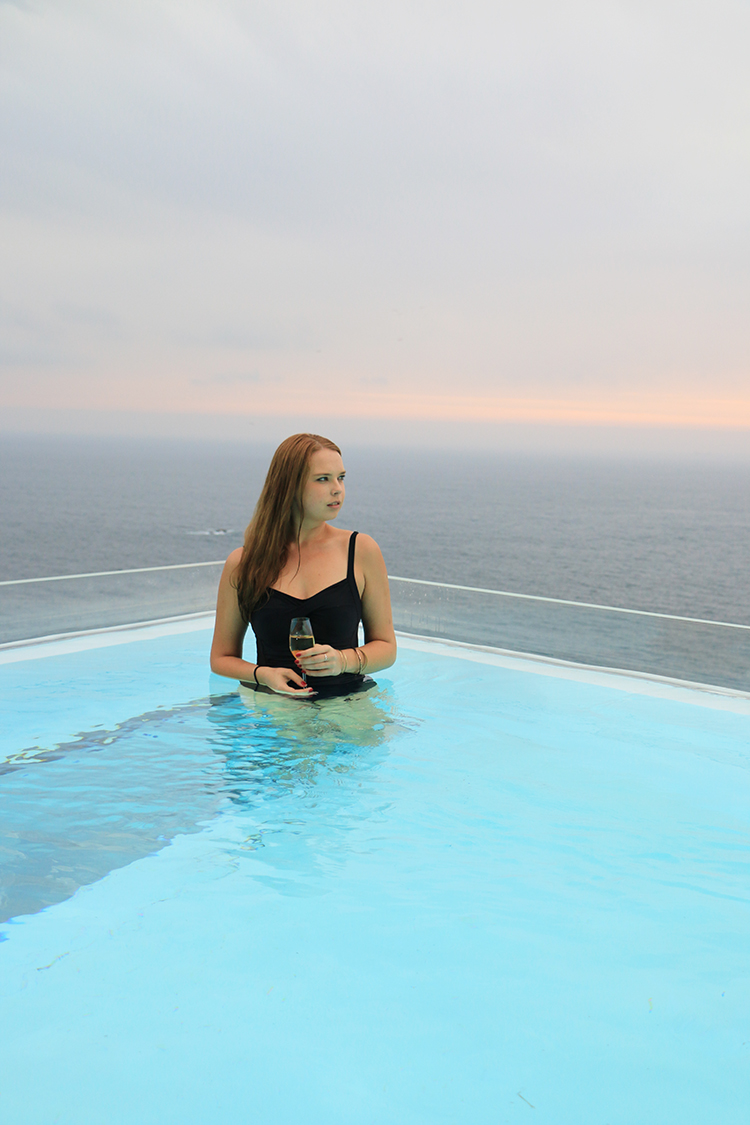
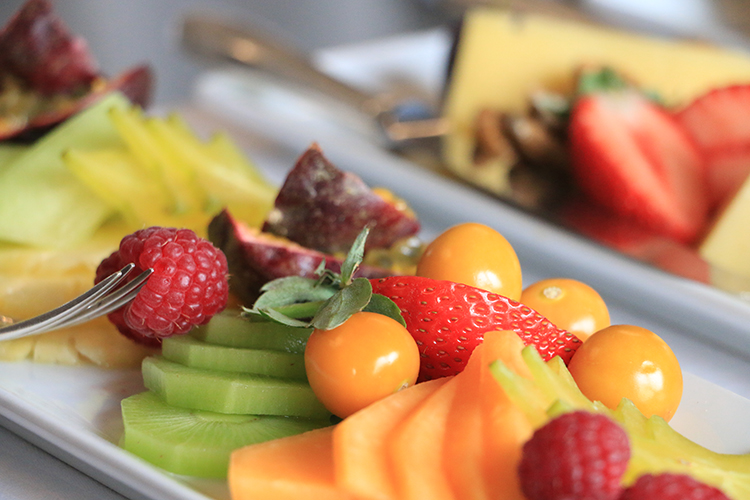
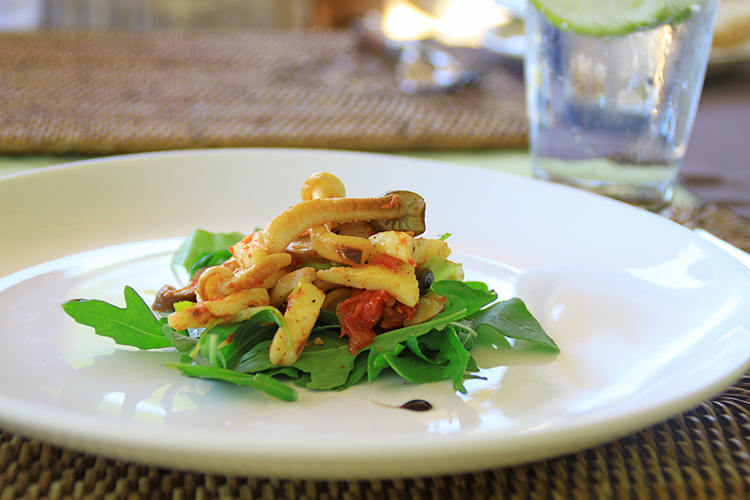
In the rush of wild mushroom fricassée, espresso martinis and winter moonlight, each second feels like a feast. A Moveable Feast. Champagne and cigars, a fire sizzling in the bar. I have to pace myself, remind myself of the limits. Is there ever any middle ground in a feast? It is midnight in Johannesburg, at AtholPlace Hotel & Villa, in the eddy of the City of Gold, a retreat that merges the higher and lower frequencies of the city, leaving it up to you which to choose. The initial frenzy settles as morning comes, as the hadeda take to breakfast on the lawn and the sun shimmers through the oak trees. Morning is part of life’s natural feedback system to keep you from the edge. Slowly faces start to stand out, you learn everyone’s names and histories and love affairs and it becomes less like the last day on earth and more like the first… You connect, you come down, and you realise that you’ll never quite manage to leave this place. AtholPlace.

AtholPlace 39AtholPlace

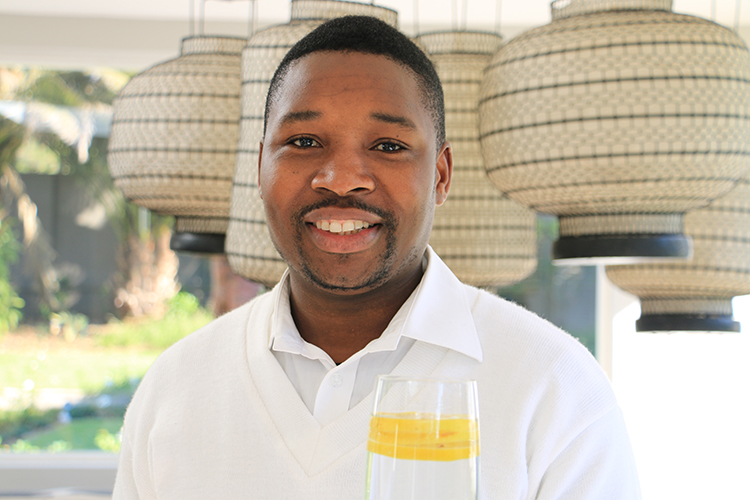
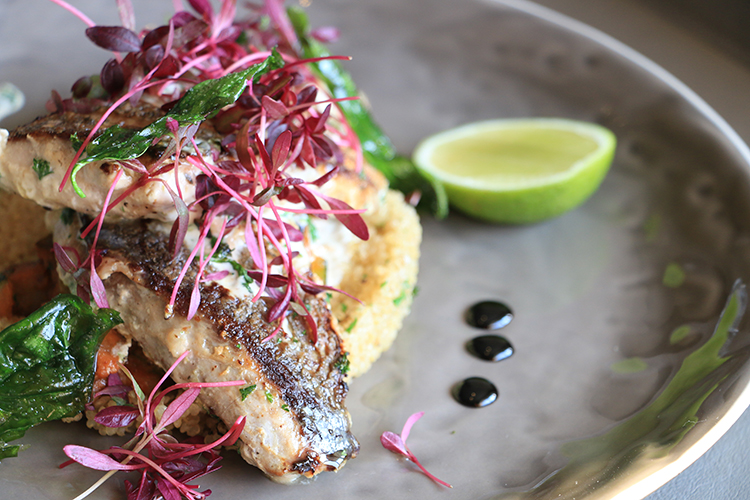
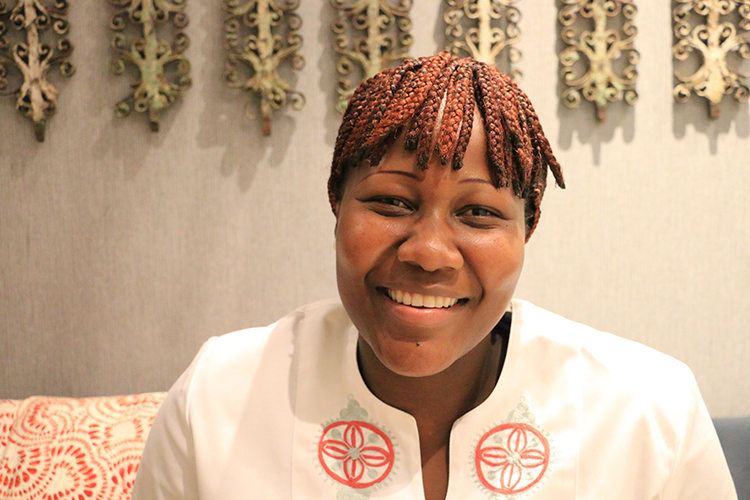
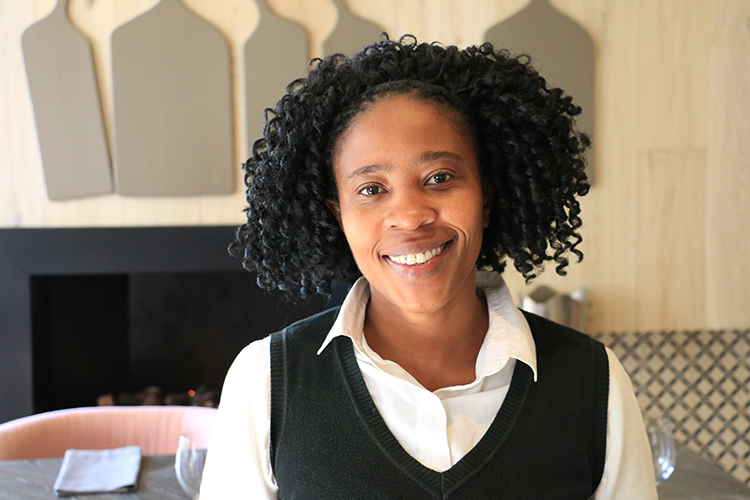
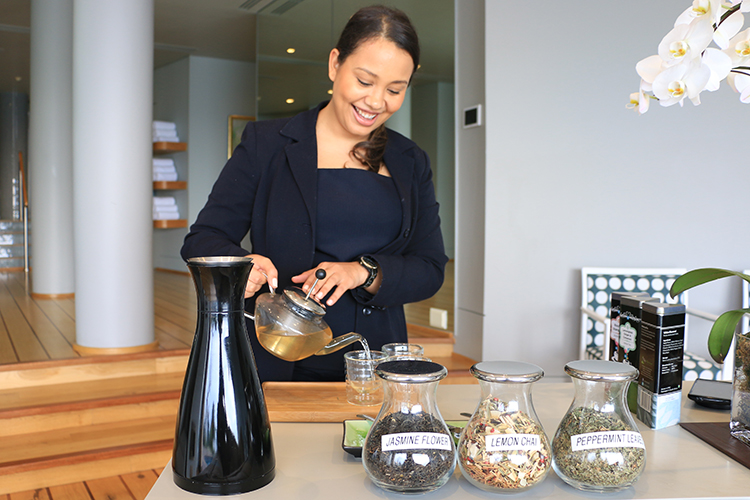
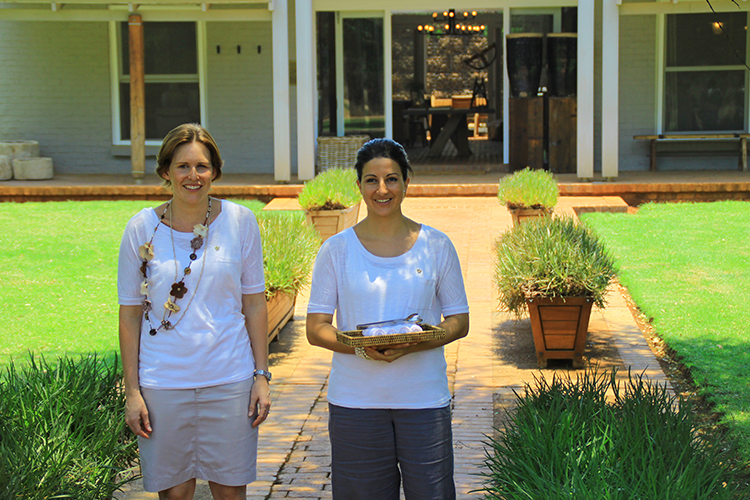
The people of AtholPlace are hard to shake; my moments with them and their tales from other lives now form my view of Johannesburg… Tau, the driver, with his philosophy on the power of cartoons, his fiancée, head of housekeeping, Melinda, with her hopes for a Victoria Falls wedding, assistant Brandon and his tales of wild trapeze artistry in Mauritius, Chef Wynand’s wontons and pan roasted line fish and the love story that led him to AtholPlace – the tale of how he followed his girlfriend, General Manager, Heidi, to the hotel. Heidi, the beautiful British girl who left sister lodge, Morukuru, in the bush of Madikwe for a new era in the city.

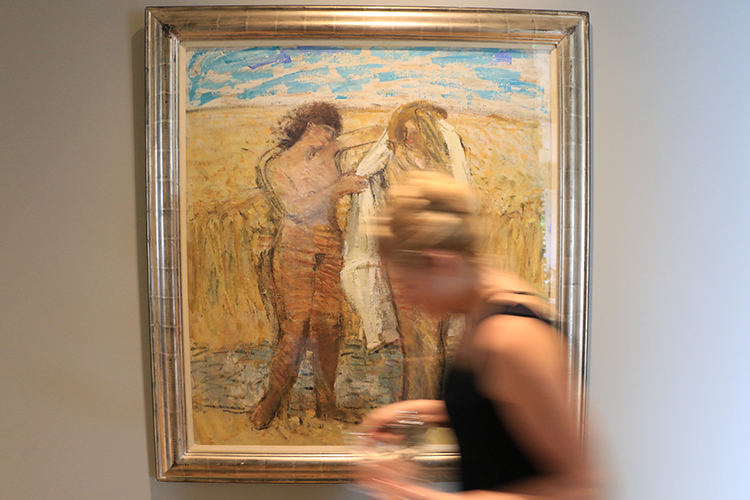
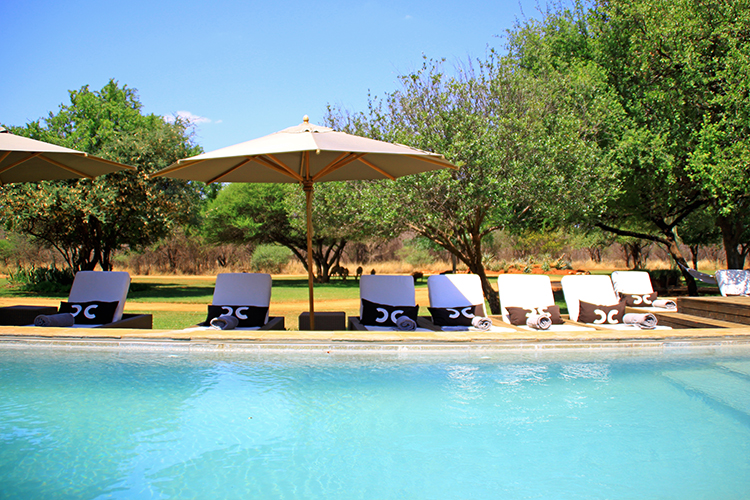
Moveable, memorable, and forever captured in our photographs below, this is AtholPlace.

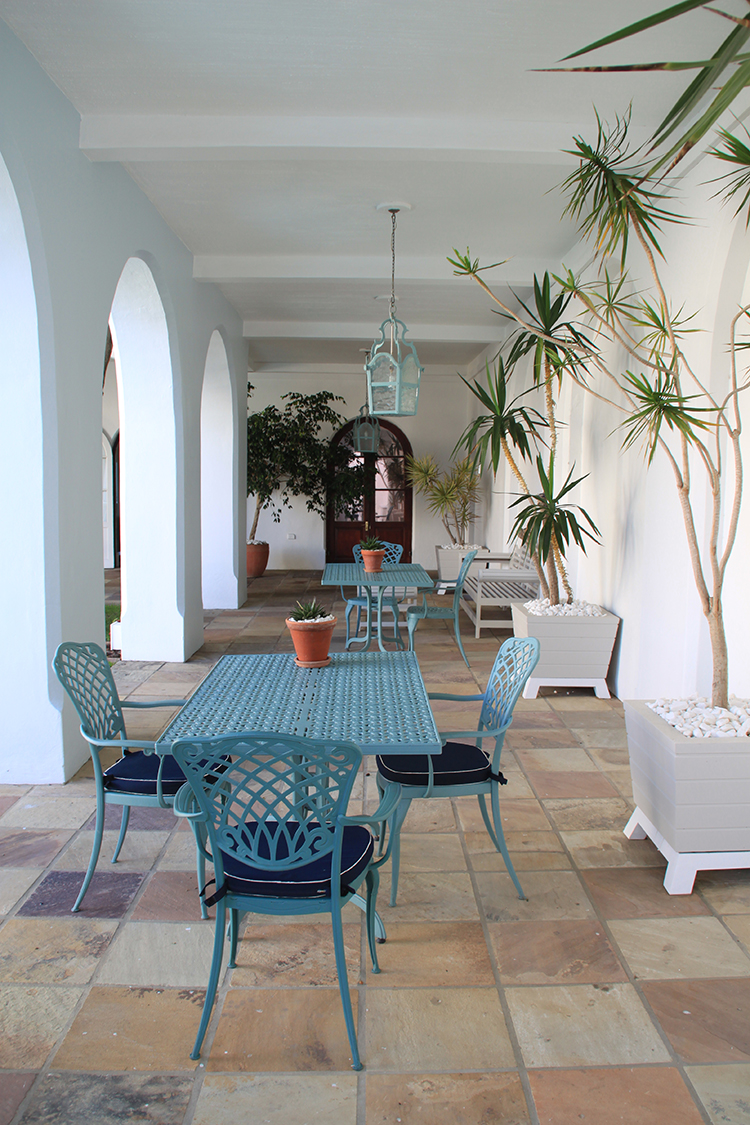
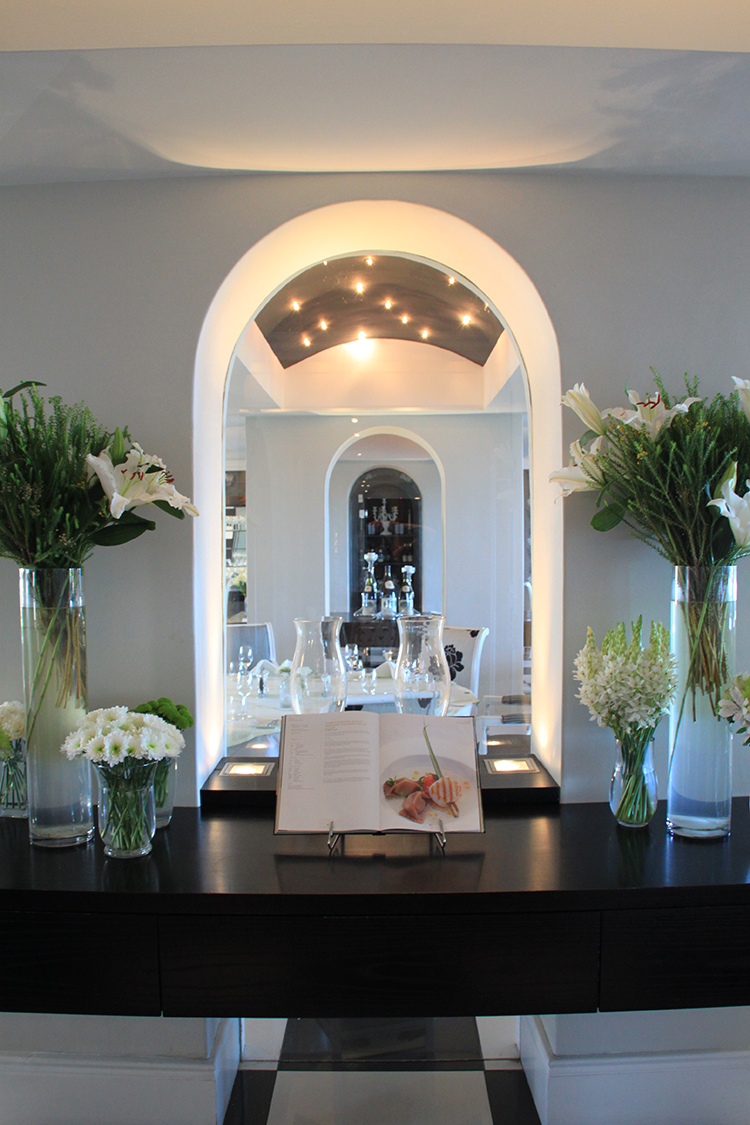
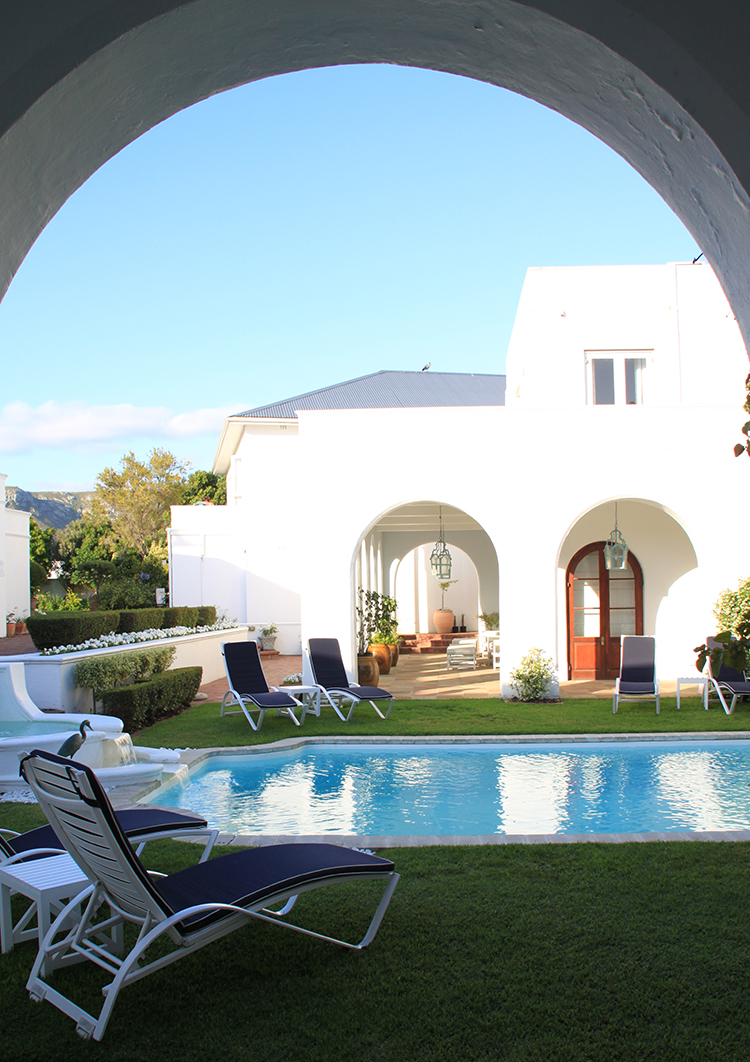
AtholPlace 1AtholPlace 38AtholPlace 18AtholPlace 30AtholPlace 19AtholPlace 26AtholPlace 20AtholPlace 21AtholPlace 27  AtholPlace 14  AtholPlace 23AtholPlace 32    AtholPlace 40   AtholPlace 13AtholPlace 25AtholPlace 12AtholPlace 16AtholPlace 6 AtholPlace 7 AtholPlace 9 AtholPlace 10 AtholPlace 11  AtholPlace 15AtholPlace 28     AtholPlace 22

“There is never any ending to Paris and the memory of each person who has lived in it differs from that of any other. We always returned to it no matter who we were or how it was changed or with what difficulties, or ease, it could be reached. Paris was always worth it and you received return for whatever you brought to it. But this is how Paris was in the early days when we were very poor and very happy.”

― Ernest Hemingway, A Moveable Feast

The Season of the Whale

Read the full article here.

The truth about whalesong is like much in life. Elusive, if not wholly unknown. We can philosophise and theorise but the truth about the enigmatic voices of whales and dolphins evades us. Nobody knows its true purpose or meaning. As the BBC documentary below states, “Scientists may one day find out the whole truth behind these extraordinary voices of the sea, but for now the private life of these ocean giants remains wondrously mysterious.”

All we can do is look on, watch these creatures on their cross-oceanic journeys, from land, water or air. We can deduce a little more from their body language, their lobtailing and spyhopping and breaching. But between the fact and fiction of their wonder, all we have to do is be amazed by the simple joy of something we cannot fully grasp.

Whale Season 3 Whale Season 8

In African waters, you can glimpse whales on the east and south-east coast of South Africa on their own version of the Great Migration. On the east, they often flock to the Sardine Run, from May through to July, as captured on film by the Earth-Touch divers below. Here a massive Bryde’s whale joins sharks, dolphins and diving seabirds to feed on a sardine shoal.

Further south, from June to November each year, the Southern Rights take over Hermanus… Right now whalewatchers are scurrying down to the town’s Walker Bay, a place widely regarded as offering the best land-based whale watching in the world. Motivated by warmer waters, Southern Right Whales depart the nutrient-rich Antarctica for this south-east coastline of South Africa, to breed, give birth and nurse their young.

Whale Season

Whale Season 7

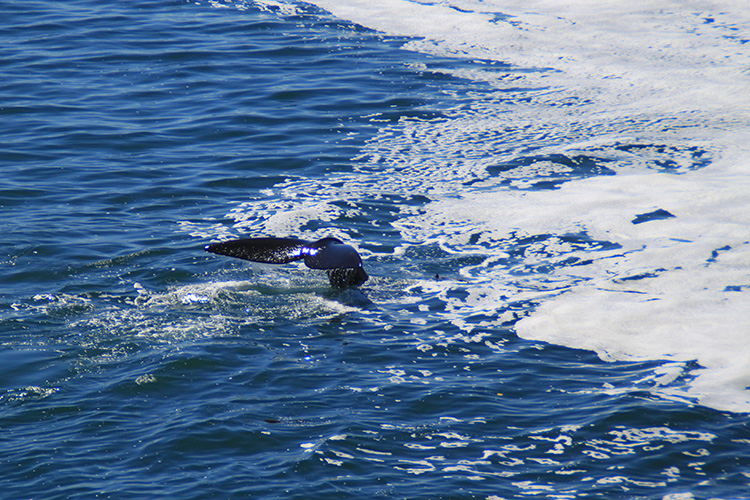
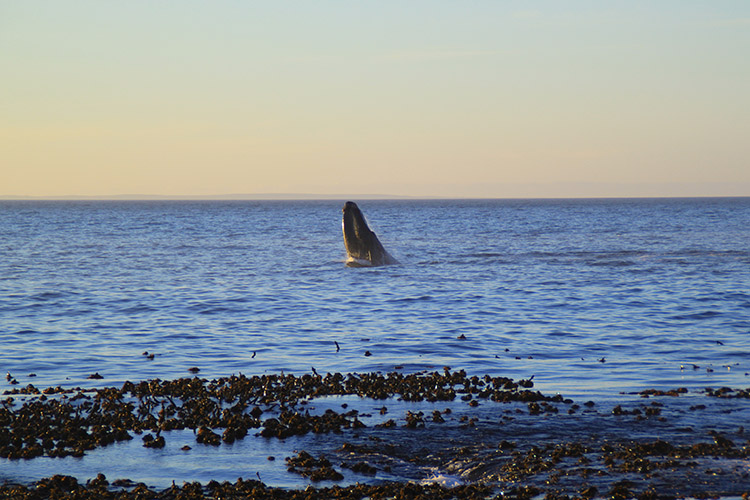
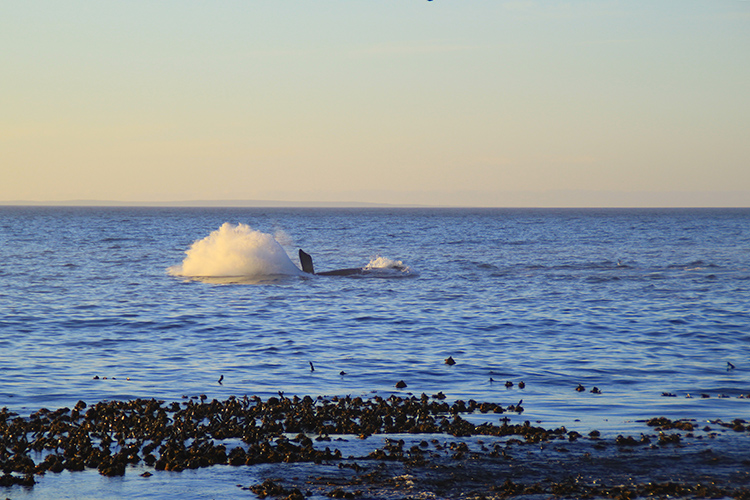
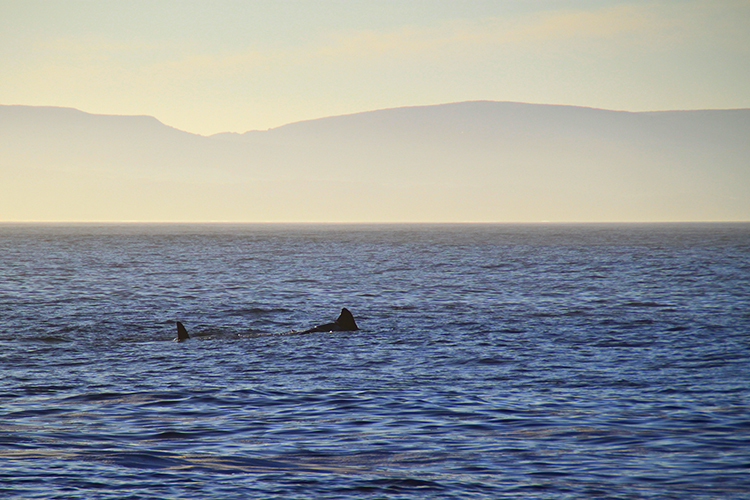
In November last year, at the tail end of whale season, I got lost for days watching the whales through my camera lens from the cliffs of Walker Bay, at The Collection by Liz McGrath’s The Marine. Capturing every curve of a tail or fin as it appeared above the water, the mothers and their calves constantly roaming past us. It is the mystery, the truth left unknown, that keeps me there, along with the other visitors in the rest of Hermanus, wielding their binoculars, gopros, cameras, handicams, iPhones… But it is also the mere spectacle of that jump.

Whale Season 6

5

Those incredible fins propelling the whale into the air like a long jumper, but with no advantage of a running start. With whales jumping every few minutes, last whale season in Hermanus turned me into somewhat of a whalewatcher. And like the birdwatchers with their lists and bins, going after their megaticks and cripplers, one safari is never enough.

I find myself pulled by the desire to capture that perfect leap…

Whale Season 5

Whale Season

Whale

The Marine

Whale Season 2

10

9

8

7

6

1

2

3

2

1

5

4

3


The House of Health

Ellerman House 17

Health is one of the stealthiest of animals to pin down, a state of being we spend our lives seeking to acquire or hold onto. Some believe that the mind is the answer to all health, that, like time, it can heal all. But there are occasions when our bodies, as external entities, require something that the mind cannot provide.

Since the Roman era, men – yes, even the manliest of men, legionnaires and the like – have visited spas. ‘Sanus per Aquam’, health by or through water, or SPA – a word that is believed to originate from the hot, natural springs that fatigued troopers sought out for rejuvenation, relaxation and to treat their sore wounds and tired muscles.

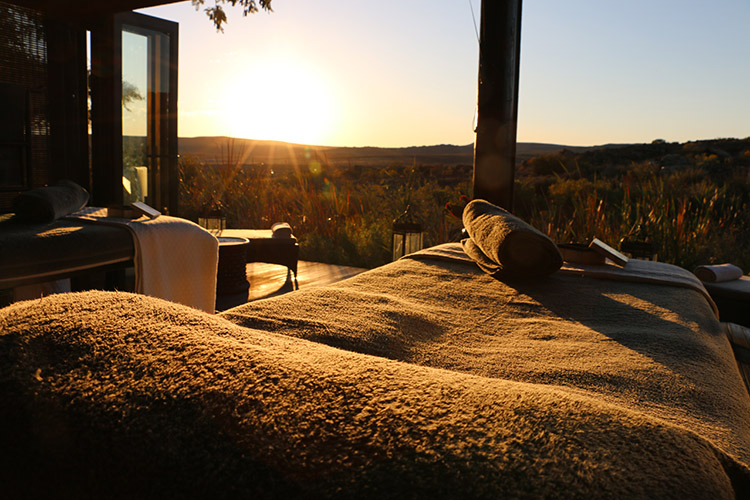
As much as the meaning of the word “Health” may fluctuate with changing fads, the word “Spa” remains reliable. It is a place to heal, even when you don’t realise you are in need of healing. The masseuse manages to uncover the aches you’ve ignored and bitten your tongue through, the subtle tension you’ve hidden from the world in the muscles in your back, and the places in your body that you’ve denied care. She awakens you to the secrets you’ve been harbouring, her hands kneading the truth out of you. I realised this hidden inner world lying face down on a table between ocean and sky, at Ellerman House‘s spa.

Read the rest of the article on Relais & Châteaux Africa’s blog.

Ellerman House 4 Ellerman House 12 Ellerman House 34 Ellerman House 32 Ellerman House 28 Ellerman House 7 Ellerman House 8Ellerman House 26 Ellerman House 33Ellerman House 18Ellerman House 3Ellerman House 29Ellerman House 2

Life Lessons From Leopards

Camp Jabulani

[published here]

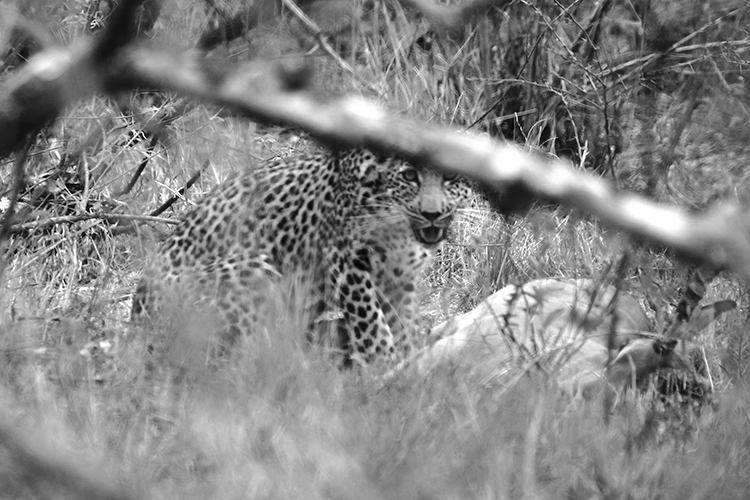
She did not want to be found. Were it not for the herd of impalas surrounding her, she wouldn’t have been. The young female leopard’s spots made her almost undetectable behind the low branches of the bush, as she hunched over her kill – the impala that didn’t get away.

The herd, as if tattletaling on the leopard, barked loudly to alert others of the danger. We followed the call in our safari vehicle in the Kapama Private Game Reserve around Camp Jabulani, and locked eyes with the big cat through the trees. About ten metres from us, she sat unmoving, heavy panting and startling eyes giving away the life inside her.

q

r

t

One of us shifted in the vehicle (not the experienced ranger), trying to focus the camera lens on the cat, but spooking the leopard in the process. The leopard darted instantly, leaving her prey behind.

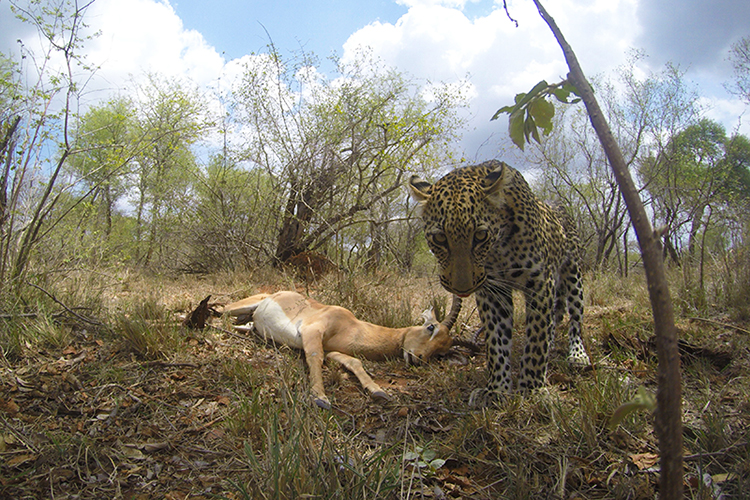
We idled the vehicle a little closer to the site of the kill. To get a better look at the leopard we had to be just as stealthy as this big cat. We placed a GoPro camera beside the lone impala and continued on our way.

A short while later, after watching elephants swimming in a nearby dam, we returned to find the impala missing and our cameras opportunely perched overlooking leopard tracks. We raced back to the lodge to view the footage captured. What we found is perhaps the closest you’ll ever get to one of these elusive cats in the wild. What I gained was a greater appreciation for leopard kind, the introvert of the Animal Kingdom.

DCIM101GOPROG0676551.

Take a look at the video below as well as the six lessons that our encounter with Africa’s elusive leopard taught us about life – besides from the most critical lesson of them all…

NB. It is for moments such as this that it’s best to leave for game drives with a fully-charged camera battery and an empty memory card – even when you don’t suspect that you’ll see anything, when the light is getting dim or the rain clouds moving in.


6 Things Leopards Can Teach Us About Life

1. Fear is a gift

Fear helps us to avoid danger, and, when danger does strike, it guides us in how best to react, in reading the threat. Leopards are experts at tapping into intuition – that animal instinct that keeps them safe, even if it means leaving their hard-earned dinner unattended while they bolt to safety. This is specifically important considering that leopard populations in South Africa are under threat due to habitat loss, through agriculture and human encroachment, and hunting.

When coming across these big cats on foot, fear reminds us to be cautious. According to Sanbi, “It is believed that when you encounter a leopard in the wild, the best thing to do to avoid being attacked is to create lots of noise and walk the other way. Several people have said that talking loudly or singing had saved them during an encounter with a leopard.” Something to remember for the streets of more urban settings too…

Discover more about the threat leopards face in Don Pinnock’s article, “Leopard hunting: Restricted but not banned“.

s

2. The beauty of solitude

Leopards are solitary creatures. Adult males and females only come together briefly during mating and then go their separate ways, leaving the female leopards to raise the new cubs alone.

We can learn a lot from their solitary lives – namely the value of solitude, a largely misunderstood and undervalued state. “We think we are unique, special and deserving of happiness, but we are terrified of being alone,” says novelist Sara Maitland. “We declare that personal freedom and autonomy is both a right and good, but we think anyone who exercises that freedom autonomously is ‘sad, mad or bad’. Or all three at once.”

However, Maitland says, the solitary are “those courageous people who want to dare to live; and to do so believe you have to explore the depths of yourself, undistracted and unprotected by social conventions and norms.”

Solitude means getting to “live exactly as I chose, obedient to no necessities but those imposed by wind and night and cold, and to no man’s laws but my own,” as Richard Byrd, the American admiral and explorer, wrote in his book, “Alone”, about his solo adventure in the Antarctic.

d

3. The subtle art of flirting

The female leopard is a master seductress. “To indicate their readiness for mating, females will approach the male and sway in front of him, swat him in the face with her tail while emitting a low rumbling growl. She will then lie in front of him with her rear slightly lifted, inviting him to mate.”*

j

4. Honour your senses

Many of us take the gift of sight, smell, hearing, touch and taste for granted. We spend so much time trying to numb or distort our senses, trying to step outside our minds. We would never survive in the wild this way. In the wild, you need all your senses, to protect yourself and your young, and to find food, for instance. Leopards depend on their senses for life.

“Leopards have large eyes, which provide them with binocular vision to determine distance accurately. A leopard’s night vision is six to eight times better than that of humans. Their eyesight is the most important sense used for hunting. Leopards have an acute sense of hearing and smell, and have long whiskers that can help detect prey in dark spots and also give an indication of the size of the place being investigated to prevent the head and body getting stuck.”*

l

5. The importance of having a home to call your own

Like humans, leopards are very territorial and their methods for marking out their homes are only slightly dissimilar to our own.

“Leopards mark their territory with scent and loud calls, making their presence known without coming into contact with each other. These loud calls are of great advantage for solitary animals that rely only on themselves and avoid unnecessary confrontation with other leopards that may be found within the same territory. Scent marking is achieved by spraying urine upwards to facilitate marking at head height and sometimes cheek and neck glands are used to mark bushes that are positioned at head height. Territory may also be marked with droppings and tree-scratching points. Tree-scratching is used to clean the claws and also spread the scent produced between the claws.”*

m

6. The underrated strength of the single mother

In the leopard kingdom, all mothers are single. They are strong and fierce and can remind us of the inherent strength of the mother and her aptness in raising her young, single or not.

Leopard moms protect and move their cubs from place to place until they reach independence at about 12 months old. The cubs drink milk from their mother for four months and start to practice their own kills from eight months.

Meet the mothers of Camp Jabulani in our blog, The Passion of Compassion at Camp Jabulani.

o

Above: Our expert ranger at Camp Jabulani, Chané Jacobs

according to Sanbi.

Discover more about Camp Jabulani on our website and our interview with innkeeper, Lente Roode.

How To Be Quiet – Unexpected Lessons From Unexpected Guests

Island Lodge Dreaming

A dispatch from the Royal Chundu blog


We are very grateful for this blog and are greatly saddened when the noise of the outside world keeps us from it. Partly because it allows us, as Anaïs Nin wrote, to taste life twice, and partly because it reminds of the little things that bring us joy, the odd ‘aha moment’ that is easy to forget in the flurry of daily life. For instance, the subjects of today’s blog…

Recently, we had two of the quietest guests we’ve ever come across. They arrived in a uniquely quiet week at Royal Chundu – as if they had sensed the stillness of the lodge, even months before when they booked their trip. They stayed with us for just over a week on a birding safari. Sure, birders tend to be a characteristically quieter breed compared to the rest, but there was something special about this couple. They were so quiet that we didn’t know how to entertain them. But therein lay the answer – they didn’t need to be entertained at all.

In the way of the books by Sara Maitland, “How To Be Quiet” and “The Book of Silence”, which highlight the benefits of harnessing inner quiet and seeking external silence, the couple were happily content to just be. They reminded us that enjoyment can be found even when doing very little. They spent their days taking in the river on boat cruises or from their balcony, where they painted watercolour scenes of the view and continued their lookout for the bird life of the Zambezi – counting several new ones to add to their birder’s tick list. They dined slowly, spoke softly. We found ourselves going from asking, “Where are they, what are they doing, are they happy?” to “Why can’t all guests be like this?”

We learn different lessons from each type of traveller, but this particular lesson was one that has stayed with us – it is a lesson in the art of stillness and it’s one perfectly attuned to our calmer reaches of the Zambezi, upstream from the Victoria Falls.

Calm


Here are some of the lessons they taught us

1. Doing less in a day doesn’t mean you achieve less. In fact, sometimes you accomplish much more.

Wise words

2. Silence does not equate boredom. Quite the opposite in fact…

Read more from Sara Maitland in her piece in The Guardian, “Beyond peace and quiet“.

Silence

3. The simplest pleasures so often bring the greatest joys

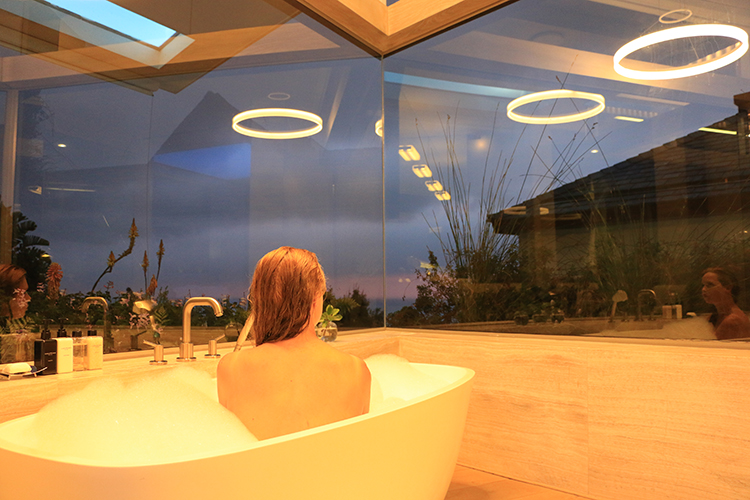
The novelty of taking a long, hot bath never quite wears off for some people. Royal Chundu takes one of relaxation’s most favoured pastimes and makes it its own. Watching the comings and goings of the Zambezi River is a cherished experience. Doing so at sunset from beneath a blanket of bubble bath at Island Lodge with a bottle of Moët & Chandon within arm’s reach is a surreal experience.

Island Lodge - The best bath in the world

4. Noise and constant activity prevent us from being present.

“Calling noise a nuisance is like calling smog an inconvenience,”former U.S. Surgeon General William Stewart once said. “Noise must be considered a hazard to the health of people everywhere.”

River Lodge

5. Silence is a show of true love

Quiet

“Almost nothing need be said when you have eyes.”
― Tarjei Vesaas, The Boat in the Evening


The Armchair Safari

At home at Morukuru

Since I was a lone girl child, my father and I have been talkers. We don’t talk to other people much, but we talk to each other. About other people. But also about big ideas. Philosophy. Politics. Plants. Every and anything. It has been a way of working through the commodious complexity of daily life. A method for understanding ourselves as much as the world outside of our small sphere.

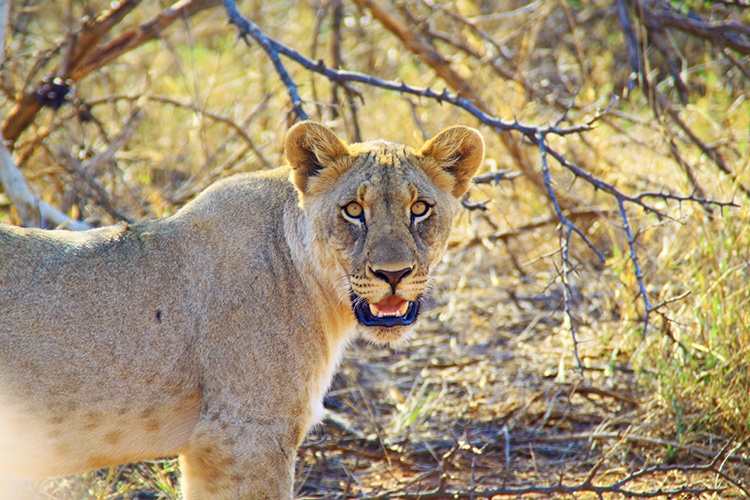
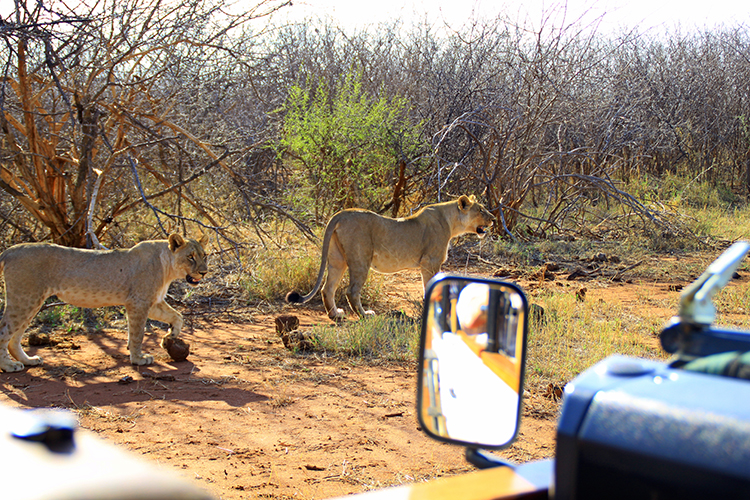
These days, when I return from assignments out in the bush, we sit across from each other on big leather couches in the family lounge, my mother beside us, completing our sphere. And we talk. We drink tea and we talk. About everything from poached eggs to poaching. About the warthogs I met. “Do you think I could keep one in my flat? They’re just like fat puppies.” About the lions. “You were right, Dad. I’m a wimp.” About the colours, the smells, the sounds of safari. The talking can go on for days, as new memories return. Like a sort of Armchair Safari.

Game Drive

In a way, this blog at Relais & Châteaux Africa is me opening up my family living room to the greater world. You don’t talk back as much as my father. But perhaps enough has been said. The rest, the unsaid, the yet to be dissected and contemplated and rolled over through the mind’s cogs and heart’s strings, I’ll leave to the images to portray.

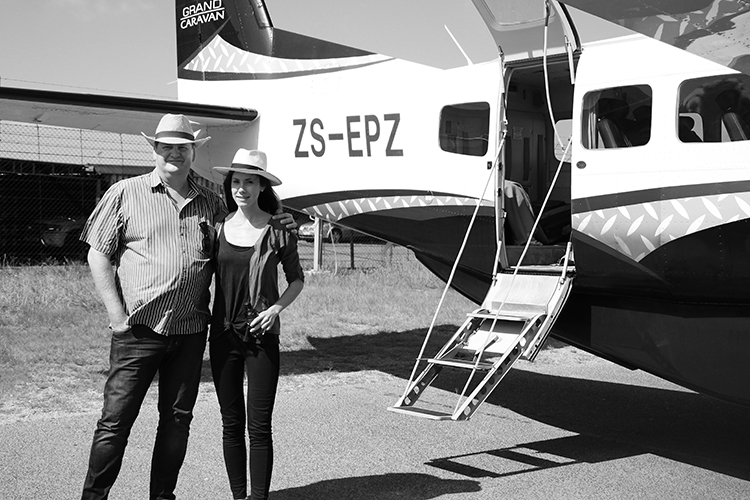
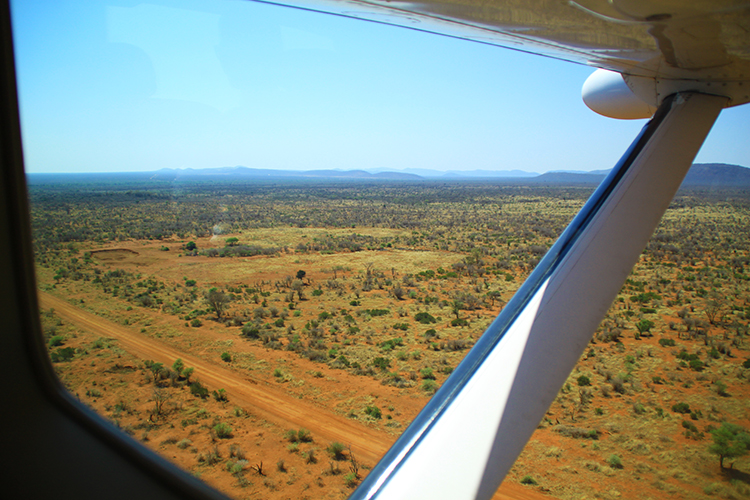
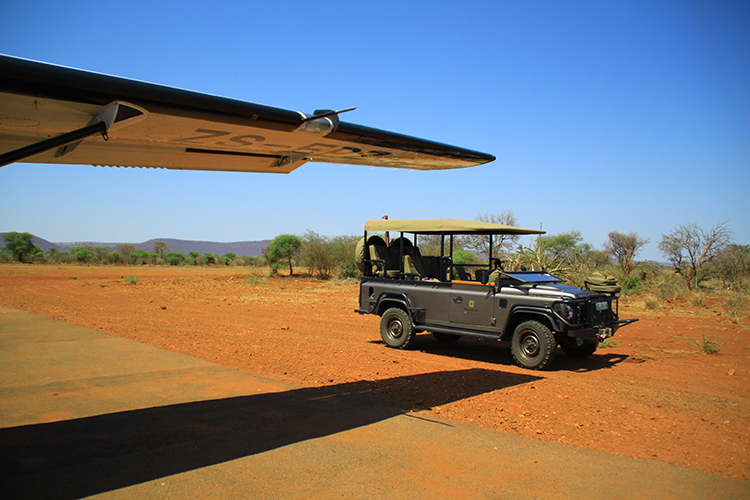
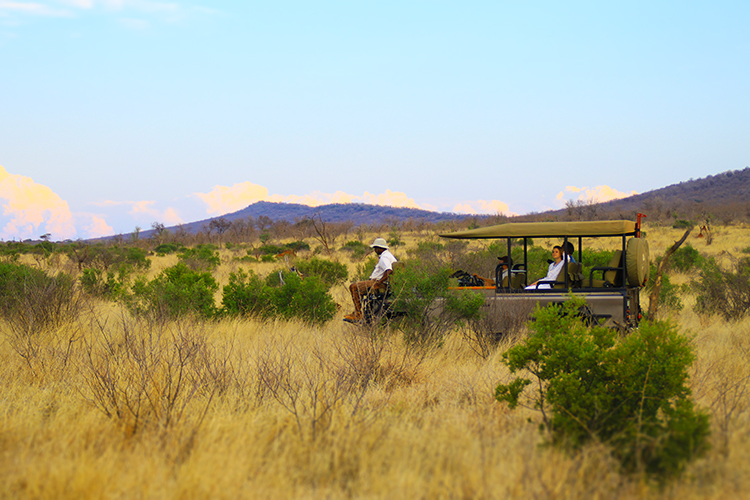
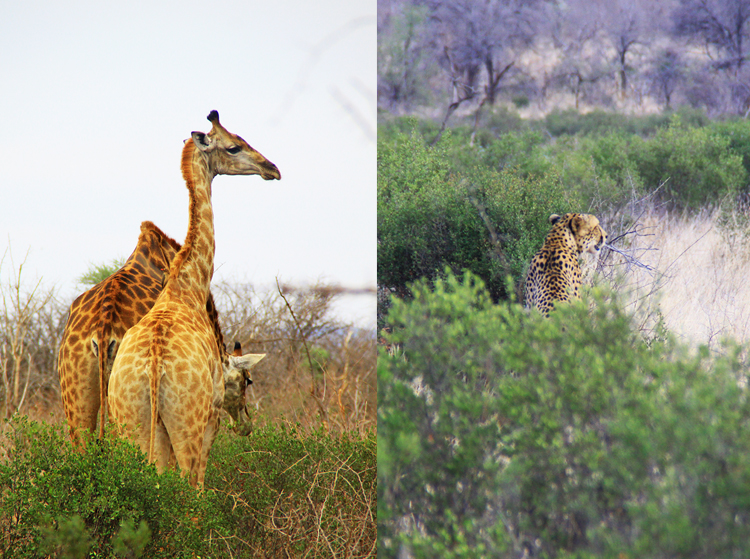
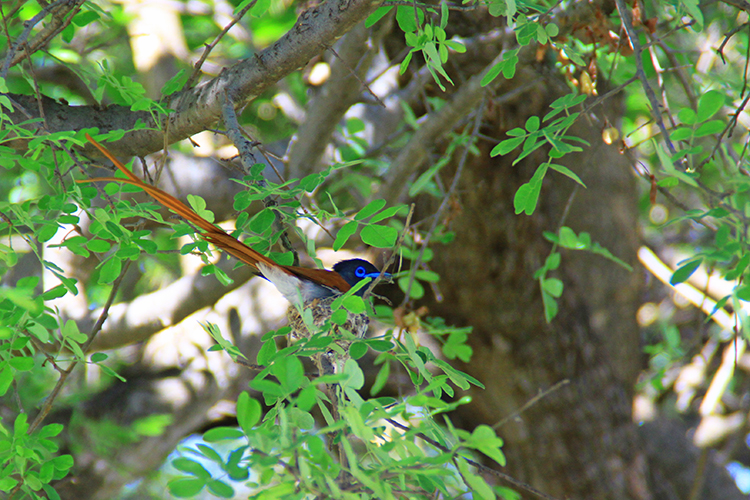
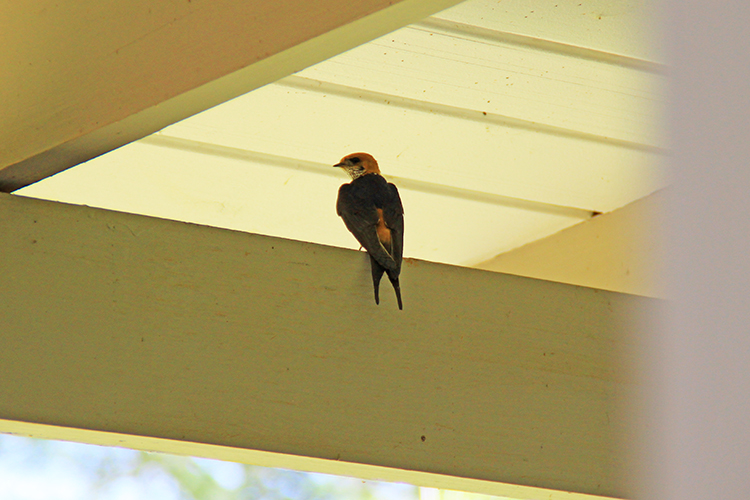
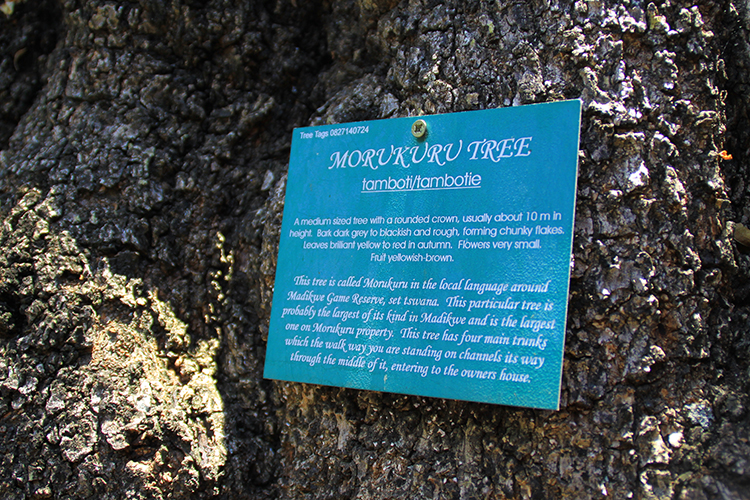
Below are photographs from our latest safari at Morukuru in the Madikwe Game Reserve. A special lodge beside the Marico River made up of three exclusive-use villas, with their own lounges and leather couches for you to share your own tales between game drives and sundowners.

Flight to Morukuru

WelcomeFlight

Arrival

Airplane

Morukuru Farm House

Greetings

Welcome

Morukuru Farm House 1

Dining at Morukuru

Dining

Pool

Morukuru Dining

Safari

Game Drives

Lion

Lions

Wildlife

Birdie

Bird Watching

The Morukuru Tree

On Safari

Originally published here.


Tanzania’s Best Kept Secret

The Other Pemba

Tamlin Wightman discovers there’s more to this tiny Indian Ocean island off Tanzania than diving.

It started with a touch. The touch of a child’s soft, plump hand in mine. So timid that it didn’t linger long and was quickly retrieved by its owner. All around kids were screaming at me like banshees. ‘Mzungu! Mzungu!’ White person!

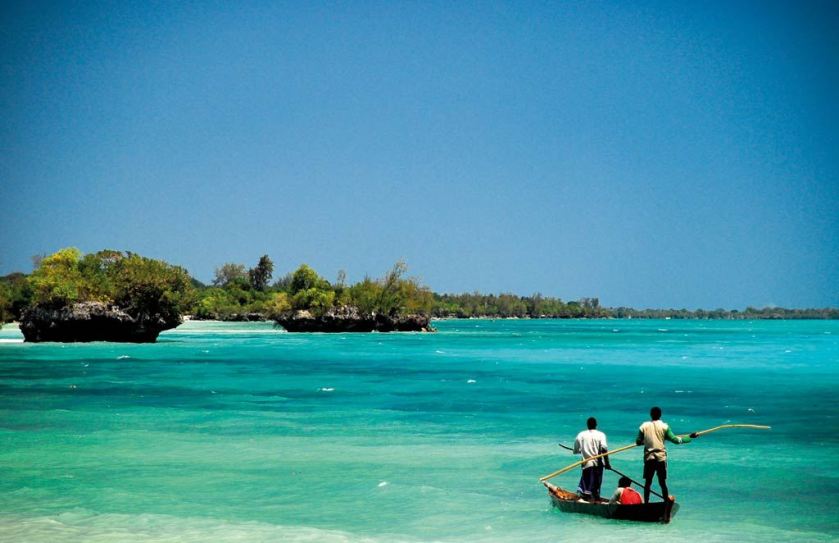
The crowd of about 20 little mites had chased after me as I passed through their village, Kijijini, on Pemba Island, named Jazirat al- Khadhra, the Green Island, by an Arab geographer. Some kiddies were naked, some just pulling on their dresses or shorts after enjoying the beginning of the monsoon rains. Once one of them had felt the strange pale skin, all wanted a turn. If you let it, Pemba Island will touch you in many ways. It’s hillier and more lush than neighbouring Unguja (known incorrectly as Zanzibar), with which it makes up the Zanzibar Archipelago within the union of Tanzania. Some say it’s Tanzania’s best-kept secret.

Tourists of the more usual sort are a relatively new addition to its shores. Hotels were established just 10 years ago (Pemba’s one and only nightclub and bottle store is at the police station). But traditional healers from the rest of Africa and Haiti are common. They have been travelling to Pemba for decades to study the island’s arcane secrets, according to guidebooks. The residents of this deeply religious, mysterious island are so secretive about it that it took one Westerner, who was researching the culture, three years to be invited to witness a witchcraft ceremony.
Pemba

What some locals willingly told me was that many traditional islanders believe white people to be devils. The children who’d mobbed me in the village had regarded me cautiously at first, but soon seemed fearless as they realised I posed no threat. Locals who’ve mixed more with pale foreigners, for example by working in hotels, are less suspicious.

Perhaps I should’ve felt more threatened as the only foreigner for kilometres in this enigmatic land of juju – not once on my rambles away from the resort did I see another mzungu. But the child’s touch had showed me: embrace Pemba and it’ll embrace you.
Pemba Island

Scents and sights at the souk
A good place to get acquainted with any new place is its market. I was escorted to the sprawling main market in Chake Chake, Pemba’s administrative centre, by Yussif Salim Mohammed, locally known as the King of Konde because of the community work he does. A proud man dressed most days in a freshly pressed shirt and chinos, Yussif stood out among the other, more traditionally dressed locals. But under the Western clothes, he was Pemban to the core; after guiding tourists or assisting NGOs, he goes home to farm the same earth as his kin.

We hopped in a minibus and took off from Manta Resort in the north of the island on a ride through Ngezi Forest, a protected reserve and sacred place for locals. According to the Rough Guide to Zanzibar, it has at least six ritual sites, which are occasionally swept clean for the ancestral spirits dwelling there.
Pemba Island

Curtains of leafy giants lined the dirt road, from endemic wild banana, wild pineapple and endangered Pemba palm to 10 mangrove species. Soon dense forest was replaced by stretches of subsistence farmland: verdant rice paddies, fields of sugar cane and palm trees with plump coconuts, clove trees, baobabs, banana plants, cassava bushes and mango trees.

Beside these were huts made of mud and coral bricks, with thatched roofs crafted from palm leaves and beautiful, locally made wooden doors with intricate Arabic carvings. Short-horned zebu cattle with their notable humps grazed, tied to the trees. Handsome Pembans stared at our passing vehicle – probably because of my unfamiliar white skin. The panga-wielding men were slightly disconcerting and I quickly covered my bare arms in case I off ended Muslim sensibilities. Yussif said the machetes were a farming tool, but I imagined sacrificial ceremonies behind closed doors in the dead of night. When I asked about the island’s magic, he mumbled and looked away. ‘We’re planning on building a new school,’ he said, changing the subject.

Pemba

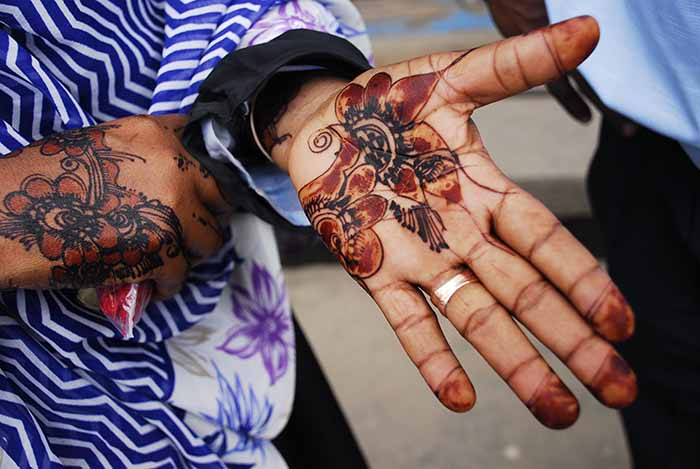
Women beside the road were wrapped in buibuis (black gowns covering their heads, leaving only their eyes exposed) or brightly coloured kangas, gifts to honour womanhood, a birthday or marriage. Bands of children ran after soccer balls and stray chickens.

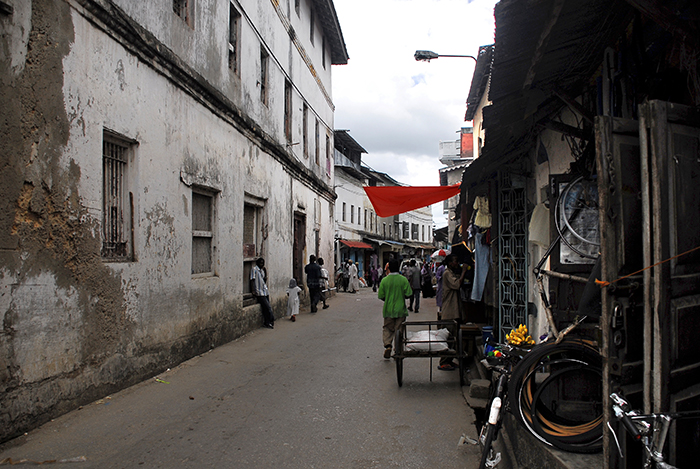
By the time we arrived at the market, we’d seen a different world. The crowded, labyrinthine alleyways of Chake Chake engulfed us in one chaotic breath. We hastened past flies attacking a tuna head on a cutting board, bees swarming round jars of honey and mounds of dried shrimp and prawns with flies sitting on them like raisins. A madman carrying three live chickens tied together by their feet chased us down the street, shaking his crooked hand. I wondered if he’d perhaps experienced one too many witchcraft rituals. Or perhaps he just thought we needed to sacrifice a chicken to oppose the djinns. Giant green bananas and pineapples hung in great bunches and hairy coconuts carpeted the floor of some stalls.

I sampled red candied baobab roots – delicious, until you get past the candy – and drank in the heady aroma of cardamom, banana-leaf tobacco and cloves.

With an estimated three-and-a-half-million trees, cloves are big in Pemba. The island produces over 70 per cent of the world’s supply. But according to Yussif , farmers are forced to sell the cloves they harvest to the government-owned Zanzibar State Trading Corporation, which pays them way below market rates. If farmers export the crops themselves, smuggling them by dhow for more money, the navy is permitted to kill them. A reason for more protective sacrifices.

Fins, friends and seaweed
Tumbe village has a different kind of market. Hordes of men were waiting for the fishing boats to come in, off – load and auction their catch. When the boats puttered in, there was a dizzy rush of hands throwing fish into the auction circle, hands swapping cash, hands shaking other hands.

Down by the water, the seaweed farmers, young teenage girls, gathered, watching over their crops tied to mangrove stakes jutting out of the sand. At high tide, water covered the seaweed, nourishing the crop with fresh nutrients. The girls had never been to school; their parents were too poor to send them, said my guide. Their harvests are sold to a Chinese company that pays them a pittance. I asked the girls what the seaweed was used for. They didn’t know.

As we were leaving the shore, the queen bee of the group signalled me over. The girls surrounded me. ‘Karibu,’ she said. You’re welcome. Her young, clear face broke into a friendly smile. She placed her hand on my back – another welcoming touch. ‘Asante sana,’ I thanked her, but her broken English and my poor Swahili limited it to that.

Songs of a secret island
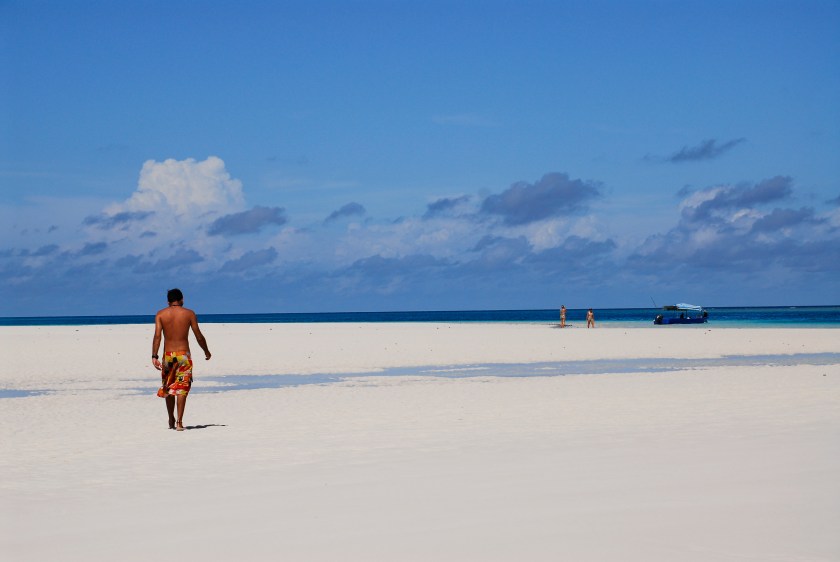
Each morning at low tide, I’d watch fishermen and women spread across the exposed coral like herons, searching for an intertidal snack. They chanted hypnotic melodies as they worked, intermixed with laughter. One morning, as they sang, a school of dolphins leapt gracefully out of the water, seemingly in response to their call.

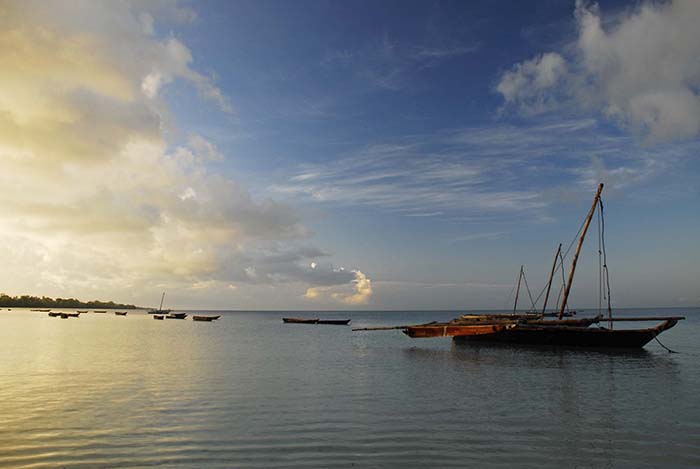
Further out, ngalawa (dugouts) and dhows traced silver, snail-trail wakes across the ocean with its vertiginous drop-off s that created dazzling layers of colour from light to dark blue. The dhow, a traditional Arab sailing vessel, is iconic to East Africa. For centuries they sailed the trade winds of the Indian Ocean, transporting wares between East Africa, Arabia, Persia, India, Pakistan, Indonesia, Malaysia and China. The constant mix of people and their ideas has created the rich tapestry that is the Swahili culture.

A tempting proposal
I returned to Kijijini, where I’d left my fan base of screeching children. There I met Sharif Suleiman, one of the waiters at Manta Resort. ‘If you want to know anything about Pemba, you’ve got to see how we live,’ he said. We strolled through his village, past women scrubbing dishes with beach sand and men listening to a soccer match on the radio.

Sharif teaches English at a small school. When we arrived a class was about to start, under the instruction of Sharif’s brother. I ended up being temporary teacher to about 30 students on mats on the cement floor.

I spoke slowly and Sharif acted as translator. Why, being 22, was I not yet married with children, the boys asked? The girls remained quiet, except for one who, as I said goodbye, offered her brother to me as a husband. The catch was I’d have to share him with three other wives.

If it meant staying on this wild, effervescent and complex island for longer, maybe it was worth considering. And if I wanted to see the witchcraft, I’d need a couple more years. But I declined the offer. He was good-looking enough, but an evil spell from his other wives wasn’t the kind of magic I was interested in.


Source: Getaway Magazine (http://www.getaway.co.za/article/tanzanias-best-kept-secret—the-other-pemba-2009-07-01)



The Paris Catch 22

Published in The Sunday Times

She waits for the waiter to pull her chair out, sits down as he pushes it in. She pulls her tight black leather dress down, her Hollywood legs still well exposed, and struggles to tuck one ankle behind the other. Four inch red heels are difficult to manage. Even for Mary Louise Parker.

I’m watching her every move, covertly and calmly, despite being so close to someone so famous. I’m not used to this…

Mary brushes her black hair behind an ear, showing me her cheek as she sits to the side. Her skin is as pale as the Parisian sky this October. The star of the series Weeds, she’d be a much better choice for a Tim Burton film. A rival to Bonham Carter. Parker’s posse swoon around her, knocking my chair as they pull out their own. At her table is one friend, one PA, one film assistant. Three women and Mary.

Mary is sitting on top of my boyfriend. Basically. Seated with his back to her, at our table at this popular bistro in St Germain des Prés, he’s twitchy-giddy. He feigns coolness, reclining closer to Mary’s lap to eavesdrop. I sit by patiently. We sip our whiskey, spoon Bleu de Gex fromage and jambon onto a cracker to nibble, pretending as though our romantic lunch date, a very long and expensive way from home, has not been ruined by the TV star.

There are probably many other stars who would excite me more. I imagine Charlotte (Gainsbourg, obviously) slipping into a seat next to me, or Gérard (Depardieu, duh) standing beside me, his fingers lingering by my shoulder… I picture myself screwing it up royally, spilling jambon on his crotch, slipping into a coma of shame. Perhaps Mary is a safer bet.

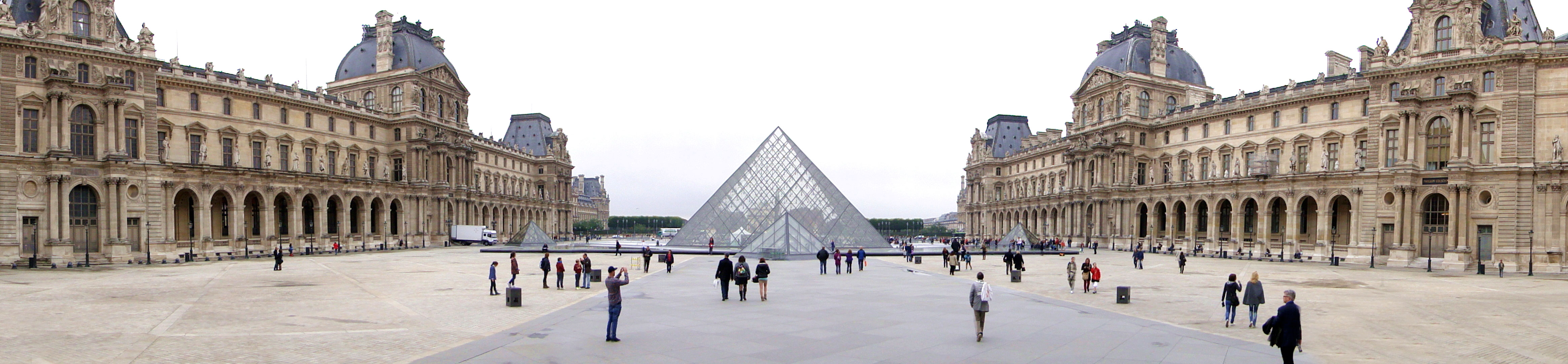
Louvre Palace

Eavesdropping Boyfriend returns his attention to me, shares tales of our star’s recent divorce and the reason for her whereabouts: she’s in town filming a new series. Everyone at the table is focused on her. TV has elevated pale-faced Parker to a godlike status. Boyfriend wants to shag her. God, I want to shag her. Her tiny body stitched into that leather scarf of a dress, those red heels… Catwoman of the 6th arrondissement.

Boyfriend and I try to talk about something else. Like how foul the cheese tastes, how much the whiskey is going to our heads – or is it just Mary’s perfume, how we couldn’t have picked a better spot for lunch.

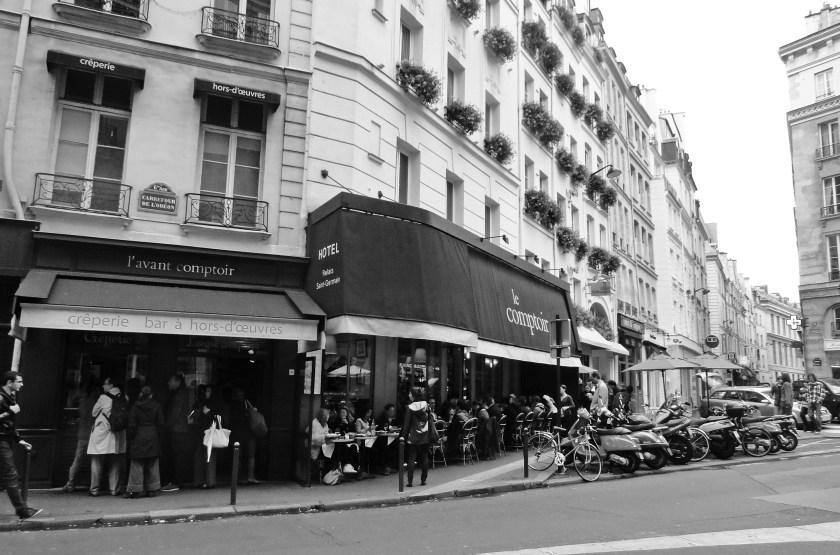
Selecting between the vast array of cafes and bistros and restaurants and bars in Paris is harder than trying to sneak a photograph in one of the five tiers of the Ralph Lauren store on St Germain Boulevard. But after some time rubbing shoulders with stars, you start to get a feel for it. It happens naturally. You start to think Parisian. You can spot the right eatery by the clothes of the clientele, the elevated chin of the waiters, the cotton of the serviettes. Are there posters advertising German beer, with half naked girls in Dirndls, hanging above your table? Are the draughts going down when the sun has only just come up? You’re probably not going to spot a star there. Well, maybe that Colin Farrell.

Streets of Paris

After Mary disappears into the wet Paris afternoon, her wolf pack scuttling after her, we cannot spot anyone else of value. Only the usual petite Hepburns sashaying over the zebra crossings, the beautiful French men with their tortoiseshell Tom Ford spectacles, and the dear tweens poised in catwalk heels and leather jackets, holding up buns and Vogue Slimmers. It’s difficult not to feel inferior. Especially as we’ve just finished a bicycle tour of the city, like good tourists. Takkies and frizz don’t scream sex or stardom. I want to Superman it in a red telephone booth and return dressed as Parker.

It’s the Paris Catch 22. Being surrounded by the glamorous, especially in St Germain, once the haunt of everyone from Hemingway and Jean-Paul Sartre to Simone de Beauvoir and Monet, is precisely what we love about the city. But it’s a painful reminder of how much better the French are than us.

Boyfriend and I pay our bill and settle for each other. We leave lunch for the privacy of our dollhouse, I mean hotel room, down the street, to lay down our takkies and frizz, hidden from the Mary Louise Parkers of the world.

The Hunter’s Last Days

Last night I sat next to my grandfather on a bench in his garden while he told me of the ways he planned to kill himself. He said that the pain some days gets too much to bear and he imagines how to end it all.

My grandfather is a hunter. His outside shed is filled with guns, bullets, gunpowder and other paraphernalia. In the locked safe are about five rifles and two shotguns. If memory serves me. When I was a child, growing up, he’d show me how to put together a bullet in that shed. A little after-school project. He sat over his tools like an artist over a water painting, lamps arched over his hands to illuminate the small casing and fine, fatal powder. I can’t remember much of what he told me. If I tried to construct my own bullet today in that same shed I’d fall short. I’d create something closer to a birthday cake sparkler. But my grandfather, he was a weapons expert. Is. His guns have been with him for longer than I have and I’ve grown up around them, whether they were locked away in the safe or splayed out like a butterflied leg of lamb on the kitchen counter as he prepared them for his next hunt.

I’ve been with him on a hunt and I’ve seen this aging man, his towering stature arched like the lamps over his bullets and brushes and clamps, stuttering like his voice over the rocks toward his kill. He walked in front of me in the open plains of a farm in the Great Karoo of South Africa, edging closer and closer to the kudu some ten metres away. I was twenty; he was seventy. His rickety amble terrified me as he carried the loaded and cocked rifle. I slowed my walk and stood by a tree to watch the action from behind the branches and leaves, as though they would protect me if the gun went off in the wrong direction, if my grandfather’s old hiking boots tripped on a root and the barrel flung to face my position.

I watched him raise the rifle to his line of vision, one arm up near his ear and the other holding it in position. I heard the shot go off as the bullet flew from its holding into the heart of the antelope grazing on the plains. I watched it fall, that strong graceful animal, to the earth, its eyes facing me, wide with fear, looking down the barrel, into the face of the afterlife.

I watched the farm hands cut open the kudu’s trunk and remove the stomach, hang it on a tree for the vultures to have at. I watched its tongue hanging limply from an open mouth and the blood swim out of the body, thick and fast, as hairy tanned hands closed the door across the back of the bakkie and drove us off to the farm’s butchery.

I’ve seen my grandfather take a life before.

He’s a complicated man, like I like them. When I was growing up, as an only child, my grandfather and grandmother looked after me in the hours my parents couldn’t, after school or on nights when they went out. My grandfather is a strong man. On my maternal side, but like my own father in many ways. My paternal grandfather I hardly knew. Parkinson’s Disease took him when I was five. We’re close: Mom, Dad, Grandpa, Grandma and me. They are some of maybe five blood relatives I have that are still alive and living in Cape Town with me.

A few years ago my grandfather, a hunter as well as a builder, or rather, building supervisor, fell off a ladder leant up against a two-storey building. For a man of his age, such a fall almost killed him. He was in hospital and then home in a hospital bed for many months. For such a solid, usually resilient man it was beyond aggravating, bound to bed and powerless to do things for himself. He broke several bones and now years later those bones are giving him trouble.

Pain no one could conceive, he says. Pain that makes him imagine tying his rifle to a cloud of balloons, with one string tied between his finger and the trigger. As the balloons rise up he pulls the string so the rifle fires into his heart. (He’s a complicated man.) Pain over. Life over. Nothing but white clouds and the god he’s spent life going to church to praise for the day this moment came.

Sitting next to me on the bench in his garden, he says, God forgive me for what I’m about to say, Lord, I am sorry, but I lie in bed in agony some nights praying for him to take me. I laugh about it with Gran, but I’m not joking when I talk to God.

I’ve seen my grandfather take a life before.

When he talks to me, like this, I can’t help but put my hand on his knee, next to me, his bony knee that not too long ago boasted muscle a twenty-year old would be proud of. He’s always showing off his muscles, my grandfather. Every visit, he has never failed at muscling up for us, his audience, to appreciate and marvel at.

Ooh, Grandpa, what big biceps you have, I say when he flexes his arms for me. Look, look, hey, not bad, hey, for an old man. And then his stomach, his abs, strong hey? Feel. Come on, feel! You have no choice. Your grandfather is jutting his so-called abs in front of you in the kitchen and you have to give them a poke. And I do, I poke them and they are firm. Because it’s bone. And bone is firm. Not bad for an old man, I say. For a man of seventy-eight. Hmmm, yeah, wow. I say. I try and flex my own muscles for him. Because this has been our way over the years. Except when once I had muscles, I too am flailing. I too have had an accident and my muscles don’t show up when I attempt to flex.

I’ve recently been hit by car while crossing a road and my broken pelvis has restricted me from exercise. We’re a joke, the two of us now, comparing wasting muscles. The biceps he tries to flex for me, raising air-dumbbells to accentuate them, are non-existent. I say, not bad for an old man. And he tells me that I need to work on those arms, there’s nothing left, just bone. My grandfather and I sit outside on the bench together, just bone, talking about suicide; my mom and grandmother are inside drinking coffee.

I’m scared to talk about death with him, but I realise that every time I don’t ask the questions or say the words I want to another moment passes where it might be the last time that I can. He’s giving in, the pain is too much. Dear Lord, forgive me. But I just listen and tell myself, next time I’ll ask him the big questions. The ones no one in the family talks about, the things he’s hinted at on our trips together shooting buck or going to the fish market for lunch or playing cards over bullets in the shed. Next time.

As I sit here, at home, by myself, in my grown-up home away from home, I can’t help this desire to ask him, If today was your last day, Gramps, what would you do? I don’t want to bring it up, ask the burning question, because I don’t want to jinx fate, but tomorrow could be the last, his last, my last. And I have to know, Grandpa, my love, I’ve seen you take a life. Tell me, what would you wish to do today if tonight would be the end, when your eyes roll back like the kudu’s, if God fired his bullet into your chest, the last bullet, if you were gone, bleeding out like the animal I photographed you with out on the dusty veld in the Karoo, holding up the head of its corpse like a trophy? What would you want to do?

The balloons are being blown up; the bullets are being polished and slipped into the rifle, ready and cocked.

If you woke up today, Grandpa, and you knew it would be your last, what would you want to do?

Tell me and I’ll take you to do it.