Latest Posts

This Must Be The Place. This Must Be The Zambezi.

First published on the Relais & Châteaux Africa blog.

Home, is where I want to be
But I guess I’m already there
I come home, she lifted up her wings
I guess that this must be the place

– Talking Heads

We all have a place. A simple name on a map that we have traced with our fingers more often than any other name. A place in the country or city, the sea or river, jungle or forest, a place of snow or sand, water or rock. A place that has, over the years and the holidays, taken on a sort of humanity, an intimacy, a nature beyond how most of us see, well, nature. It’s not uncommon, either, for such places, these special enclaves that pull on our hearts a little more than others, to be seen as something living, something more like a friend, like family. The Whanganui River in New Zealand and the Yamuna and Ganges rivers in India, for instance, were granted human status and named “living entities” this year. By law.

But it isn’t only for their significance, their sensitivity, their vulnerability and their beauty (all qualities seen in the best of people), that we hold them close. It is also the time we have spent with them, getting to know them. The days and nights spent as witness to their different sides and moods, their ups and downs.
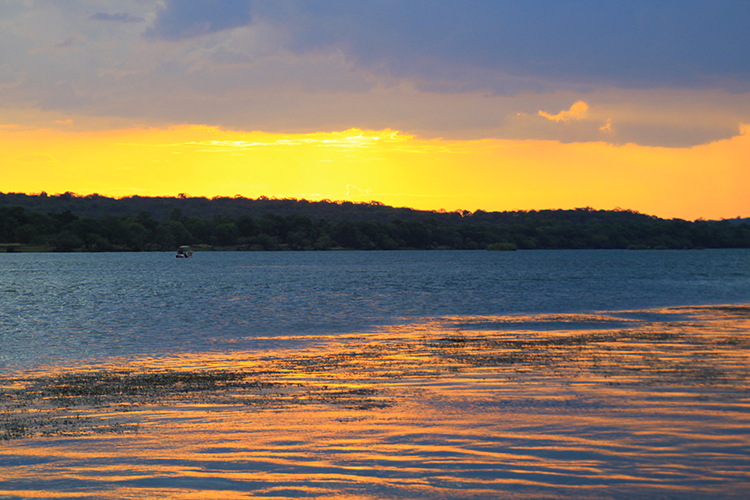
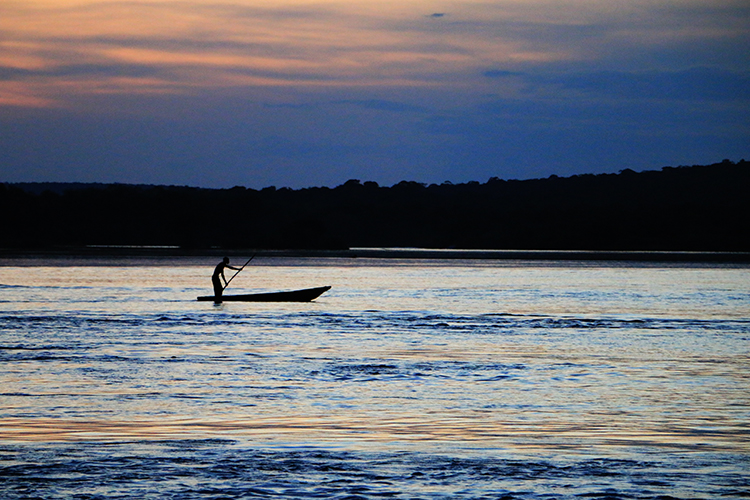
We all have a place that we have bonded with more than any other, that we understand more than another, and for me that place is the Zambezi. A river no less human than the Whanganui or Yamuna or Ganges. A river no different to you and I. An individual that breathes, that ebbs and flows with nature, and that needs protection.

Of course, the Zambezi is vast and I am not familiar with it all. It is the fourth-longest river in Africa and the largest river flowing into the Indian Ocean from Africa. It passes through six countries on the way, a true adventurer at heart. Its journey begins in north-west Zambia, in a marshy black wetland in the centre of the Miombo Woodlands, and continues on through Angola, Namibia, Botswana, Zimbabwe, and Mozambique. If you can, imagine 1,390,000 square kilometres, slightly less than half the basin of the Nile, and you will start to grasp its immensity.
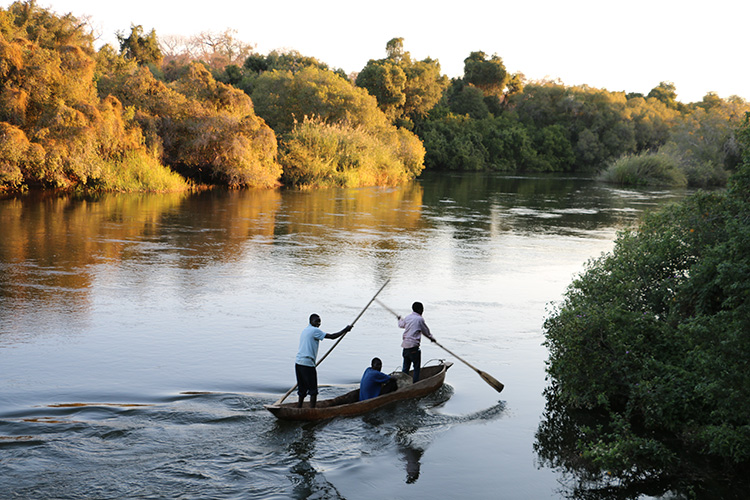
I’ve played in the lower Zambezi, while white-water rafting over rapids ranging from Grade III to Grade V – the highest commercial grading possible. Rapids with names like The Devil’s Toilet Bowl, The Gnashing Jaws of Death, Morning Glory, Oblivion, and The Ugly Stepsisters. I have helicoptered through the deep gorge, over the great Victoria Falls itself, and swum in the tiny natural infinity pools on the edge of the cascade – both Devil’s and Angel’s Pool. But it is the upper stretches of the river, before it tumbles over the Falls, that I know best. In particular, those private 15 kilometres of waterway flowing past Royal Chundu in the district of Katombora.
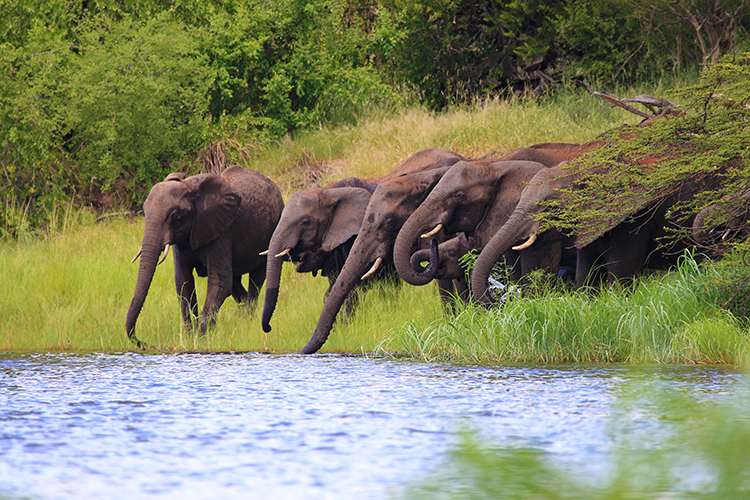
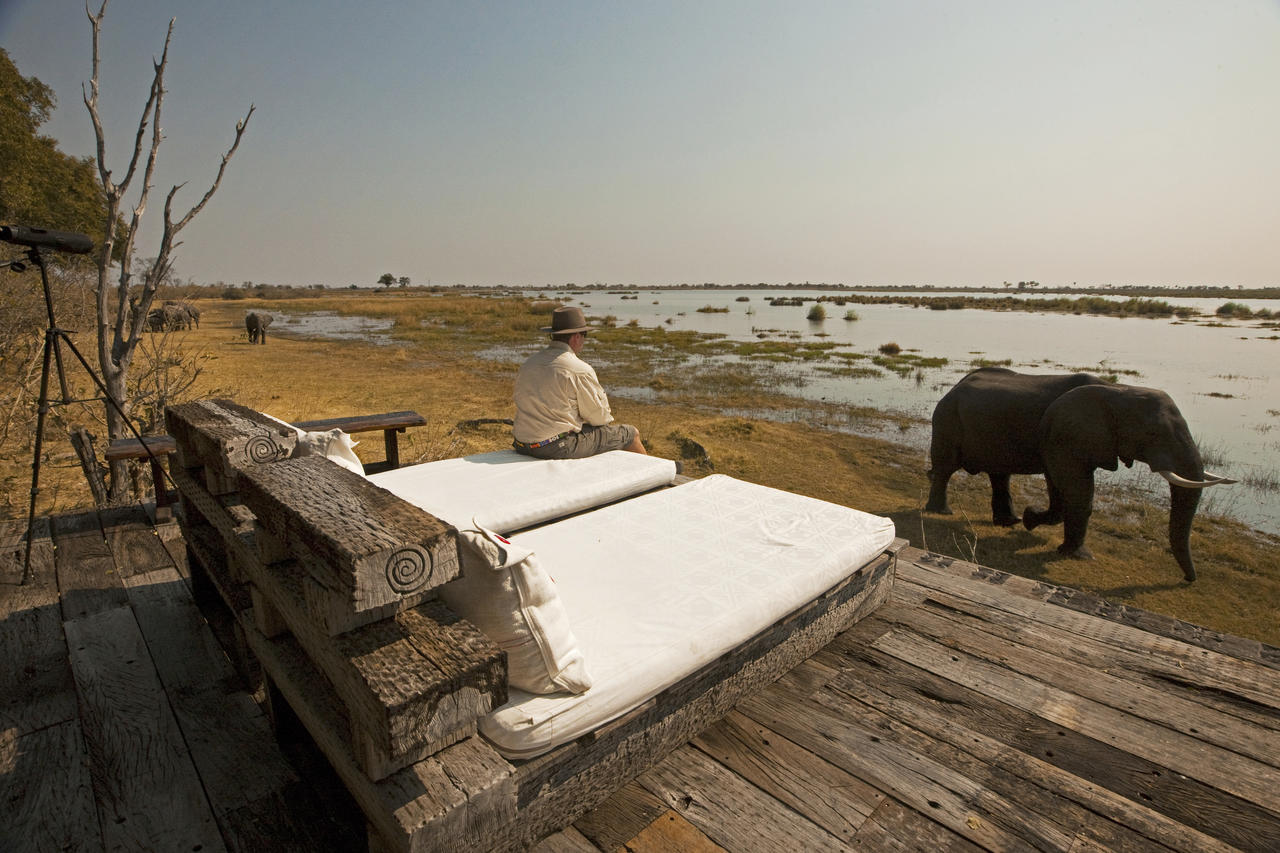
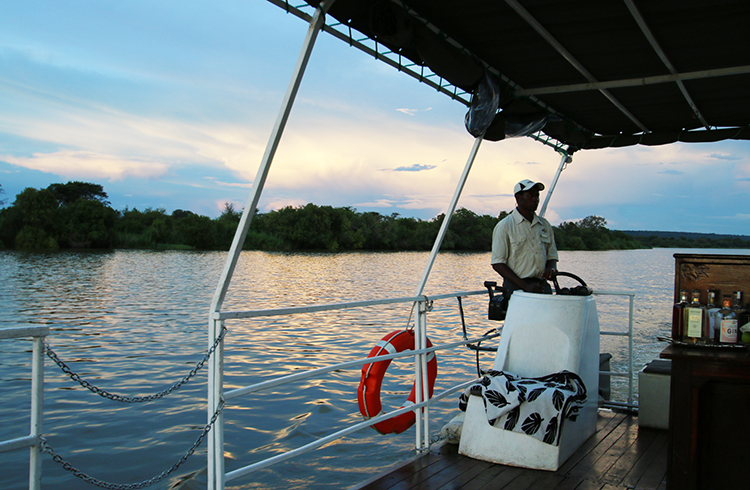
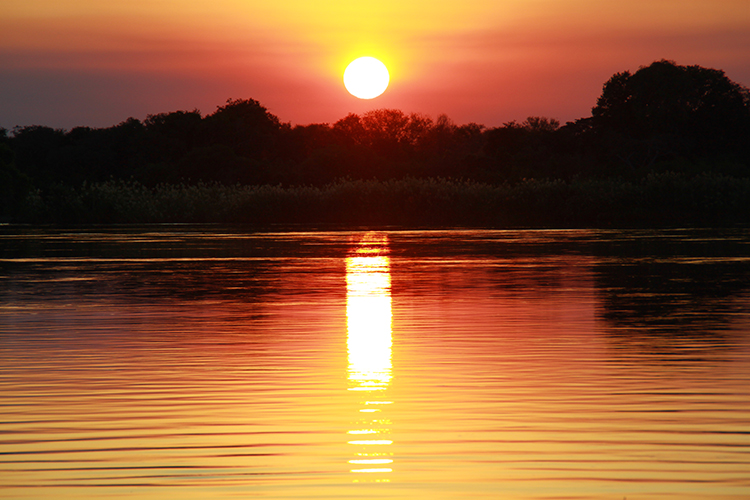
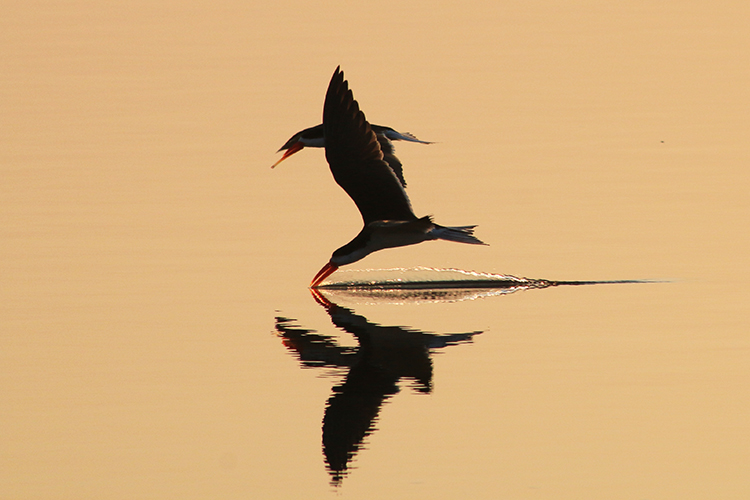
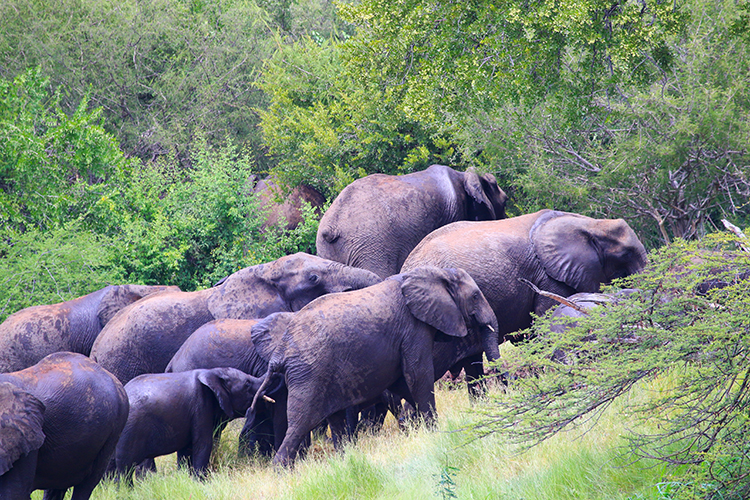
Of course, those 15 kilometres cover a body of water that is always flowing, always changing. I never quite meet the same river. But here, hugged by the same riverbank as always, its essence never changes. It feeds and is a home to the same life – the elephant herds, the hippo pods, the tiger fish and parrot fish and bream, the crocodiles, the African skimmers, African Fish Eagle, Rock Pratincoles and Schalow’s Turaco, the water buck, otters, baboons, buffalo, zebras, and even the occasional leopard and lion. Its sunsets and rises are a constant as are its channels, rising or dropping in level perhaps from time to time, but reliable in their permanence, letting us navigate the river better, more closely, and cautiously.

This is my place. And over the years I have come to not only know but to feel deeply for the people in and around Royal Chundu. The local people who understand the Zambezi much more than me, who teach me, with each visit, not only more about the water, the wildlife, the birdlife and the plants, but about compassion, patience, loyalty, respect and resilience. Those human qualities that I don’t doubt the Zambezi played a hand in refining.
And while our human laws may not (yet) recognise this incredible life force as a living entity deserving of human status, there is another source watching over it, protecting it day in and out. A source with the head of a fish and the body of a snake. A source know as the Nyami Nyami, the great guardian and God of the Zambezi River Valley. One of the most important deities of the Tsonga people, the Nyami Nyami and his wife are said to be the God and Goddess of the underworld, living in the Kariba Gorge.
Discover more about the Zambezi in our blogs:

The Making of an Explorer on the Zambezi

Parrot Fishing on the Yemen. Pardon. The Zambezi

In the Company of Cheerful Ladies

The Butterfly Effect – A Q&A with Tina Aponte
The Scared Heart of Madagascar

Sacred sites

In moments like this, I can never tell whether my heart is beating faster, wilder, its doof doof doof building dizzily, or whether it has stopped. What I do know is that it is not rested in the in-between. And it is not on terra-firma, wherever it is, whatever it’s up to.

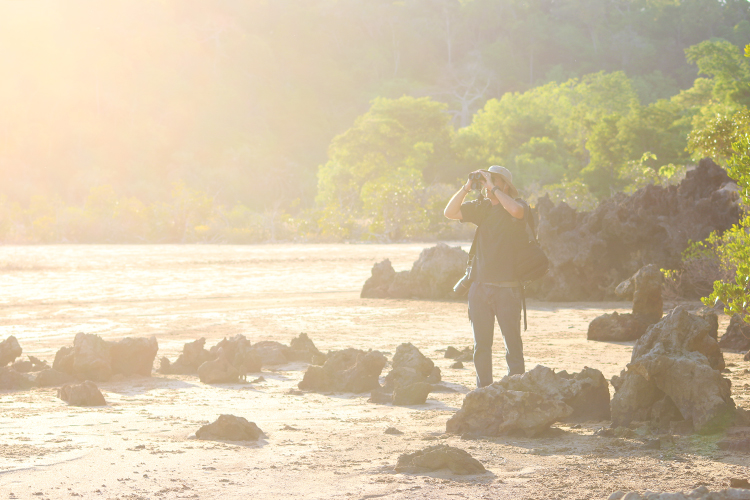
Moments like this are the culmination of coming across something never before seen – not by me at least, and not by many – and seeing it with strangers, locals here in Madagascar, three people who have already made their way into my heart. This confused heart. This heart that finds itself in unknown territory, a territory so powerful that reacting in any simple way is just not possible.

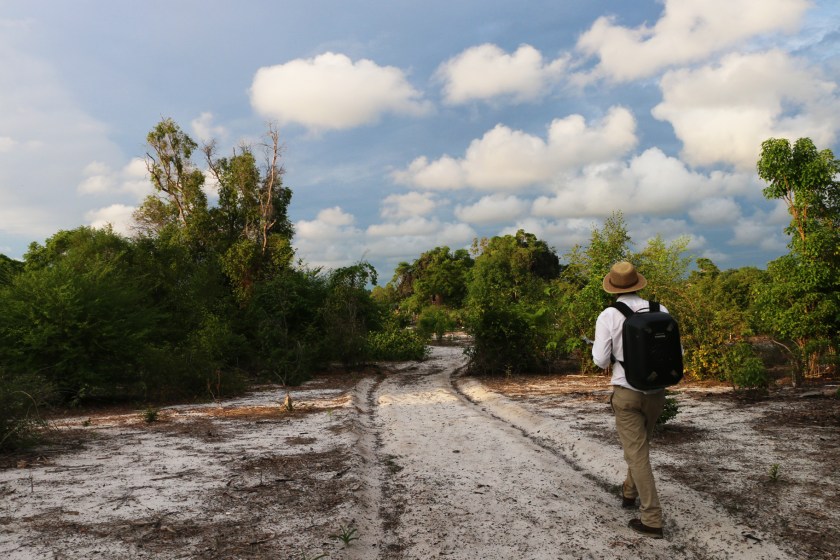
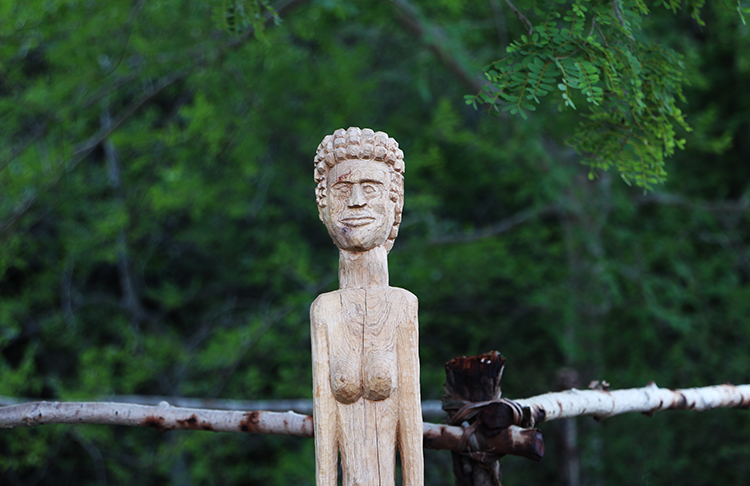
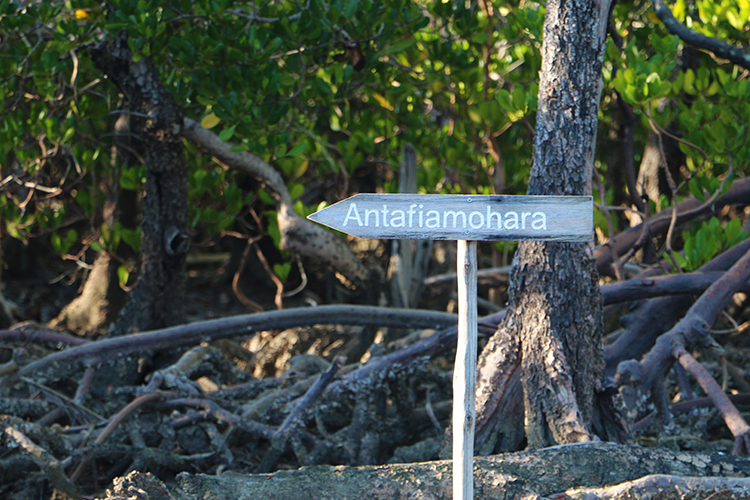
You made it more powerful, fellow explorers, leading me to that sacred space in the Lost World of Antafiamohara – past the tall wooden sculptures carved by local hands that call this region of and around Anjajavy in Madagascar home.

The faces of those sculptures that stared back at me as we entered the tomb, they have stayed with me too. In deep memory, coming to me not only in my photographs but in my dreams. Them and the lemurs. And that cinnamon roller. Because Anjajavy doesn’t leave you, does it? It joins with you and you forever roam onward together.

How could I not feel a mix or fear and awe, sitting there on the rocks of this hidden cathedral to the dead?

What with the profound respect with which many of the tribes in Madagascar treat their deceased – the sculptures they make to honour and guard the tombs, the coffins they carve to home their lost ones, and the Famadihana (‘turning of the bones’) ceremony.

Onja

After seven or so years of being buried, the bones of a corpse are dug up and moved to a family tomb, like the one I found myself at during my time at Anjajavy le Lodge. New coffins are made for the bones, which are then left to rest once more – but not before a family reunion with plenty of song and dance. All in the name of giving thanks for the blessings the ancestors have bestowed from the spirit world.

How could I not feel fear and awe? Fear for the spirits, whether I believed or not, fear for stepping wrong, for saying something out of place, for not showing enough respect. And awe… for the devotion, the dedication, the love of the Malagasy way, for being welcomed and allowed to sit so close to the remnants of men and women who have passed on.

Doof doof, yes, it was definitely a doof doof. I feel it now. Building again. I feel the power of that tomb and of the union of our little tribe of four, Maître de Maison Cédric, Guide Johnson, Head Waiter Onja and me, beholding something special, together.

That is the purpose of travel, is it not? In the words of Walter Mitty, “To see the world, things dangerous to come to, to see behind walls, draw closer, to find each other, and to feel.”

Sacred sites 1

Antafi 1

anjajavy-1

Sacred sites 4

Sacred sites 3

Tree life

Read more about this sacred tradition in these articles from Lonely Planet and Ancient Origins.

The Art of the Heart-to-Heart in the Winelands

First published on the Relais & Châteaux Africa blog.

conversation
noun,

a talk between two or more people, in which news and ideas are exchanged.
synonyms: discussion, talk, tête-à-tête, heart-to-heart, head-to-head, exchange, dialogue, parley, powwow, chit-chat, chinwag, natter.

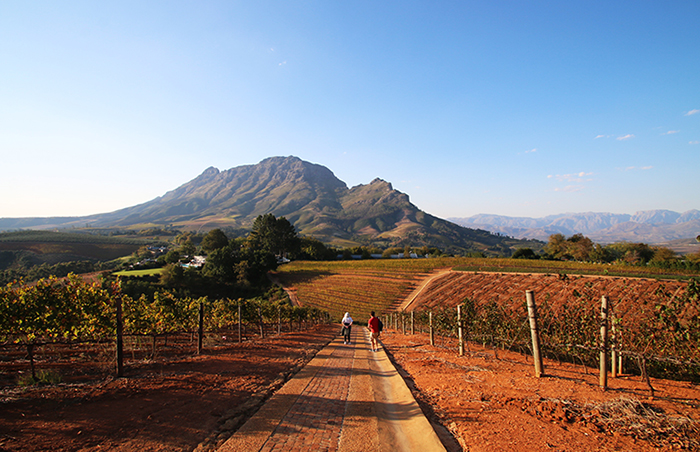
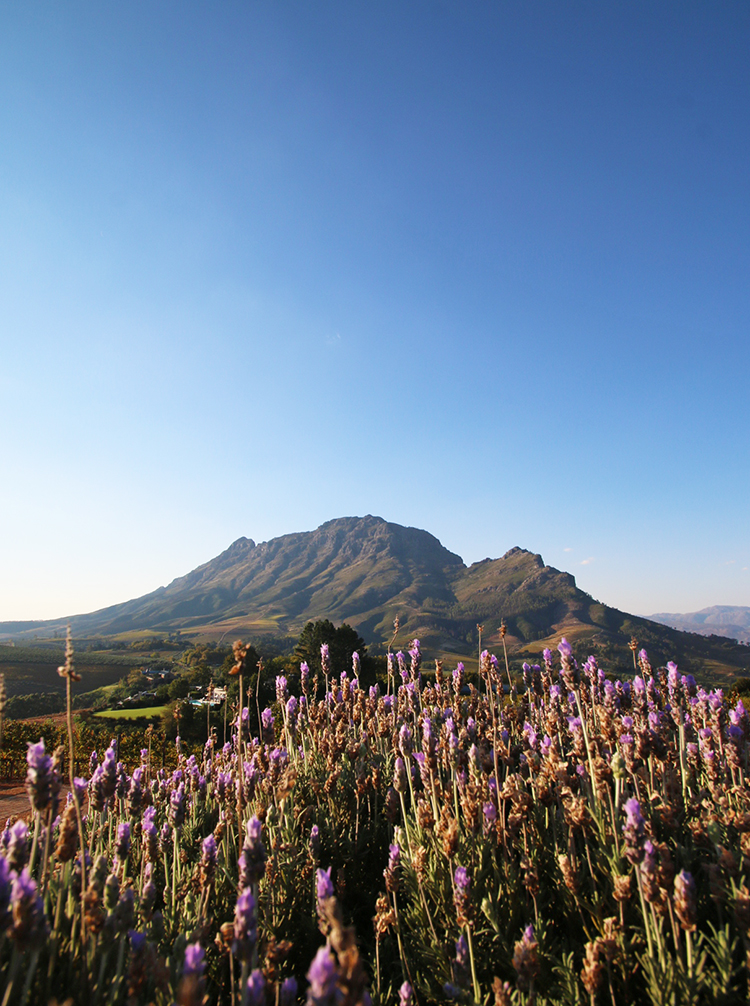
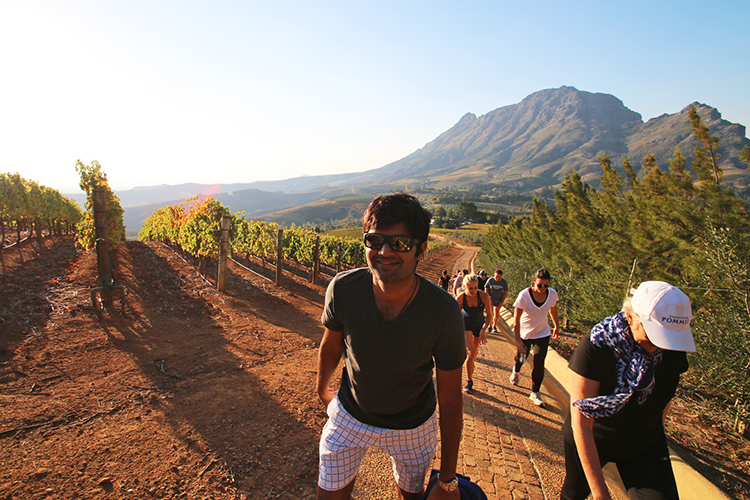
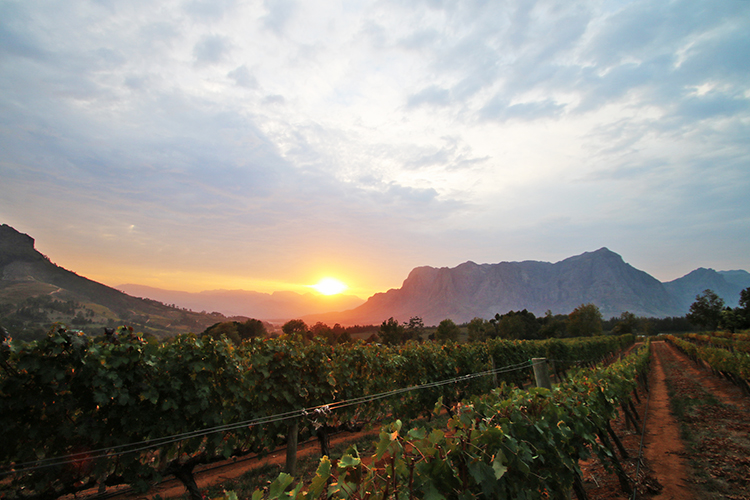
Walking along a mountain path with Autumn’s colours spanning out from our feet and across the vines, we find ourselves falling into conversation with the people at our side as naturally as we fall into step with them.

Identity seems to dissolve, while we focus more on the words and ideas (the glances and silences) playing between us. While we watch our feet, as they guide us. Conversations aren’t inherently like this. Very often we are rudely aware of ourselves, but perhaps it’s the effect of being in nature and the effect of genuine understanding – talking with someone who just gets you, whom you get. So much so that you feel as though you’re talking to yourself. But a self adding new ideas and stories to the developing tale between you all.

Word of mouth, things spread, things grow and change, and we leave, uplifted and renewed.

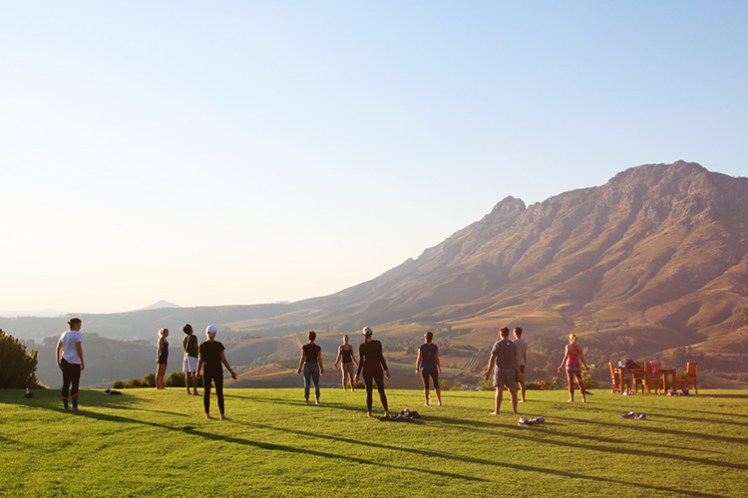
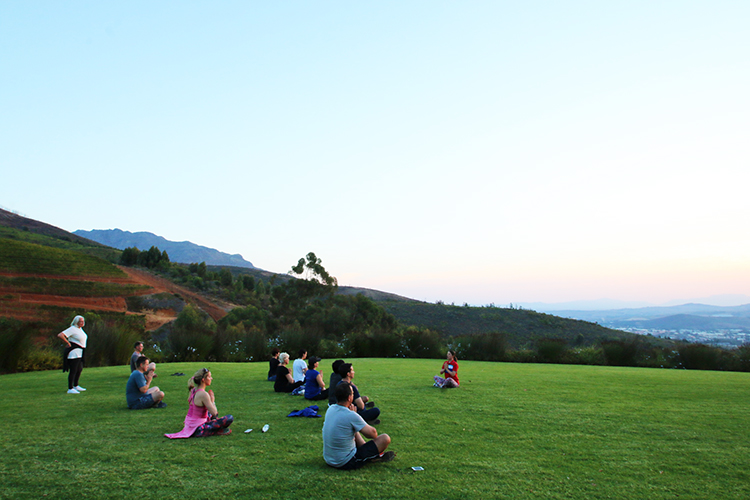
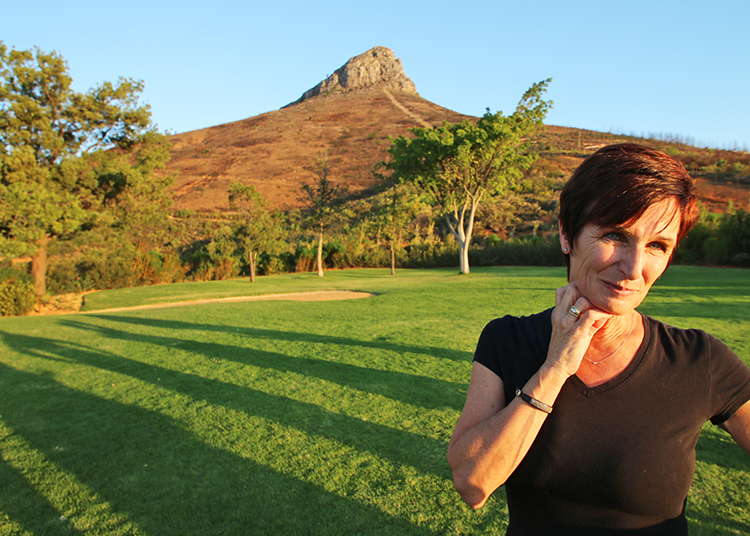
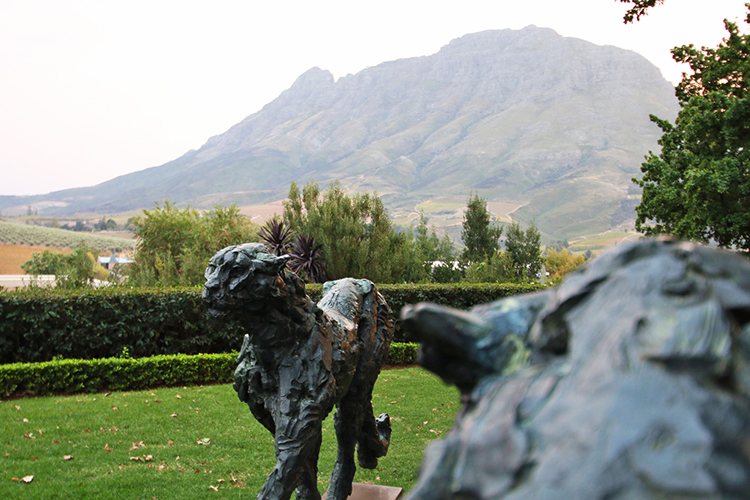
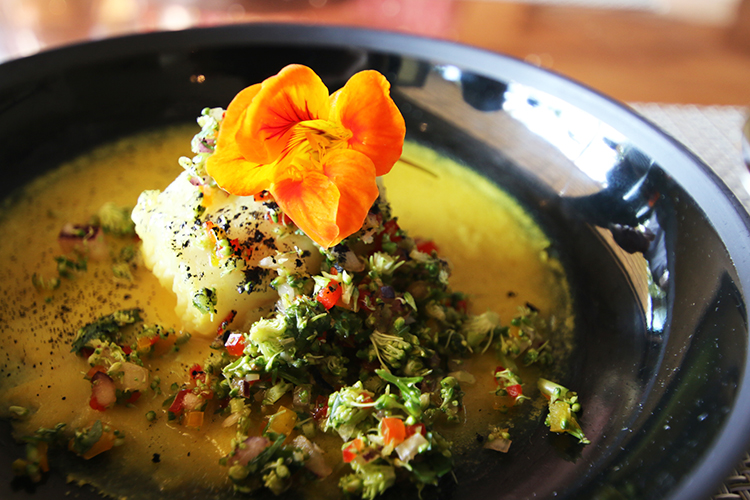
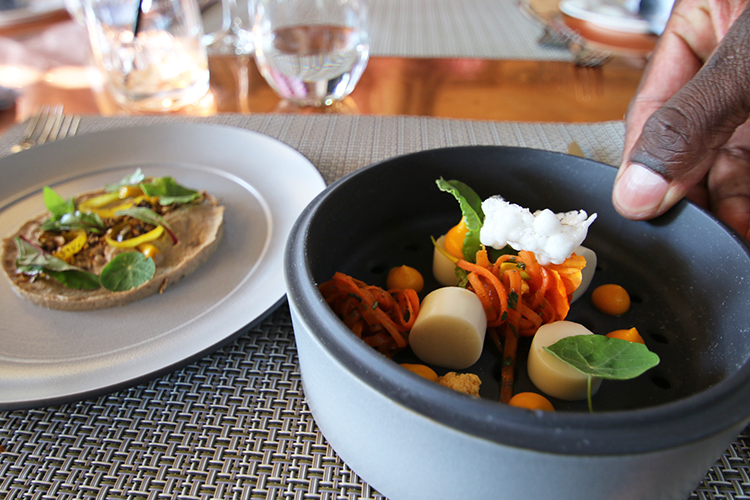
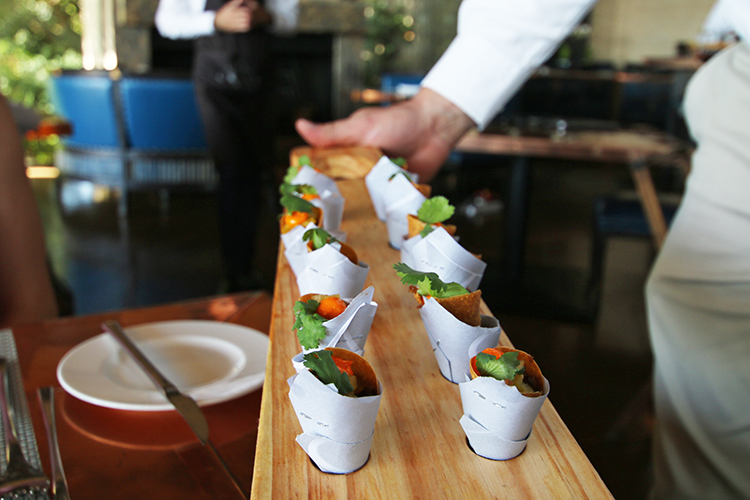
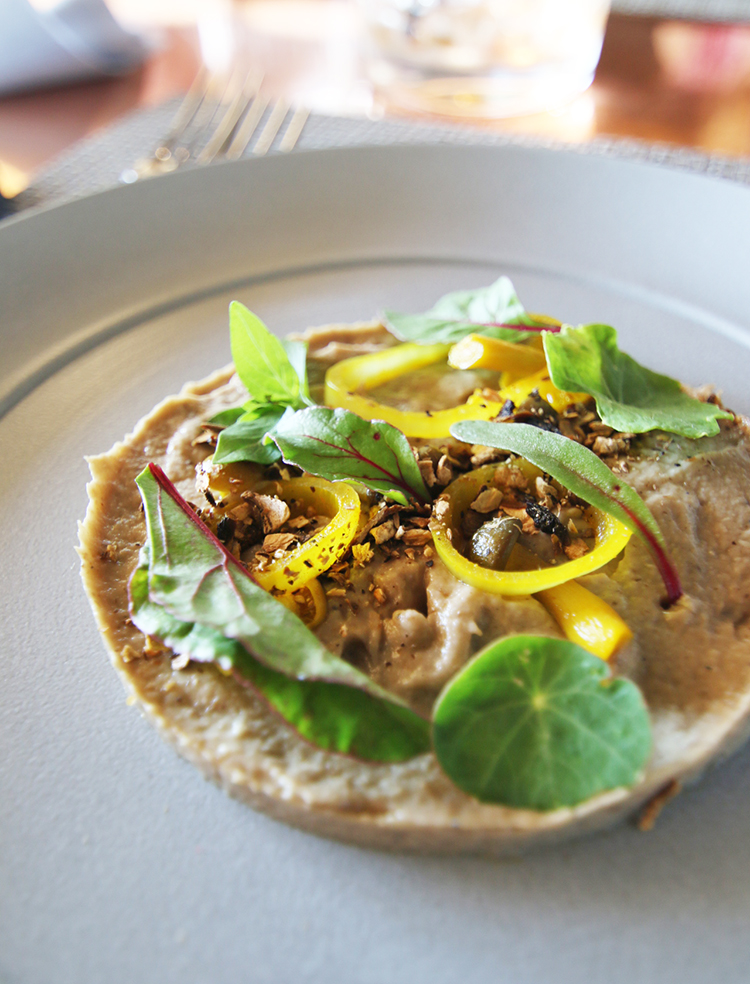
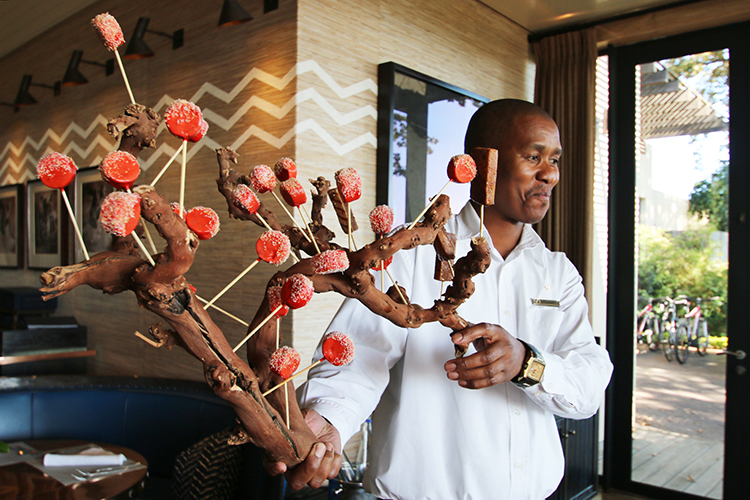
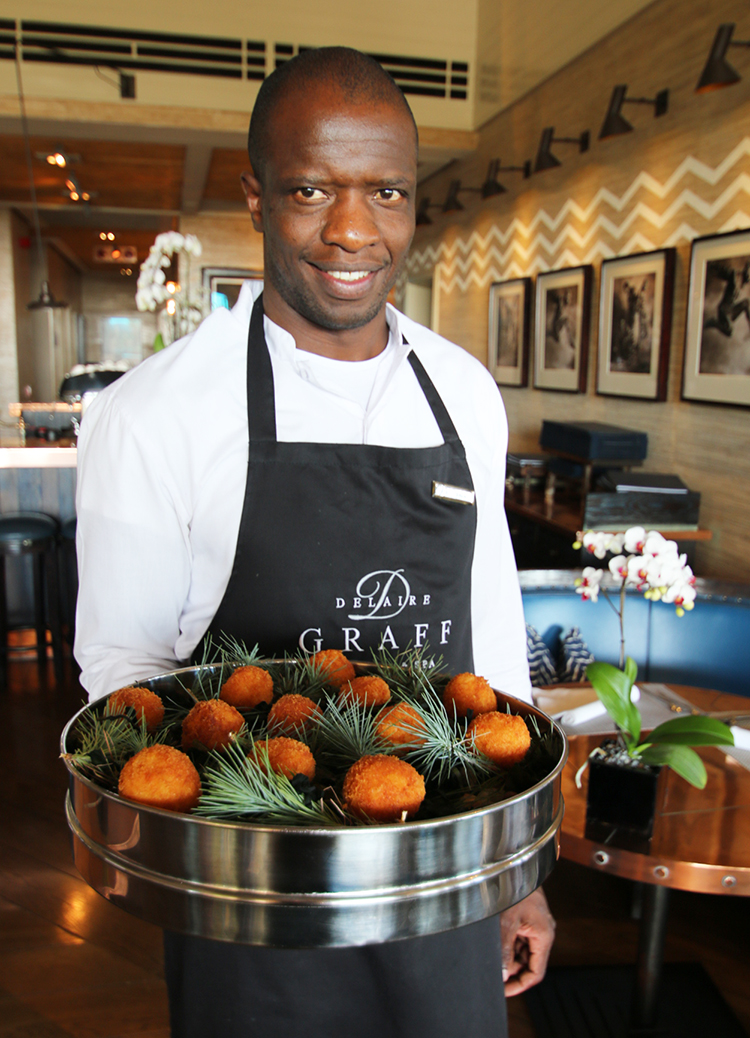
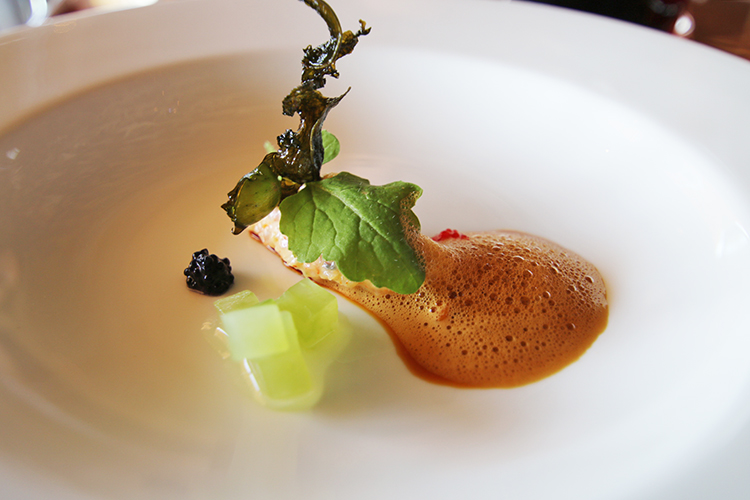
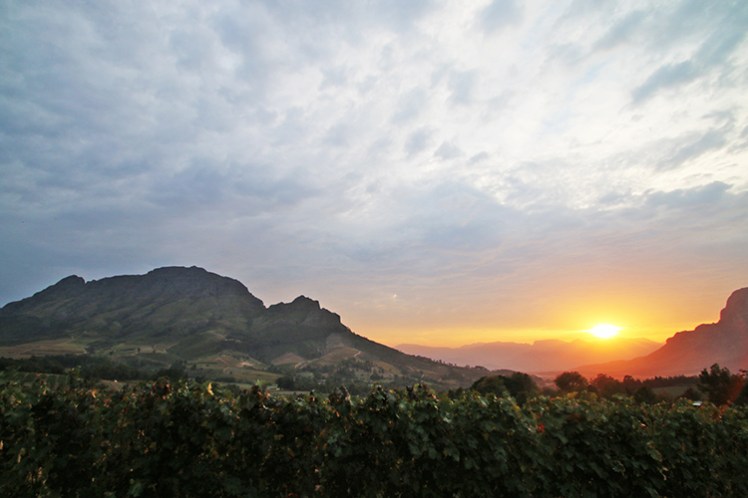
Gathered with our extended Relais & Châteaux Africa tribe, at Delaire Graff Estate in the Cape Winelands of South Africa, there were many conversations like this. Conversations that matter. Conversations struck between the evening yoga and long table dining at Delaire Graff Restaurant and breakfast on the verandah of Indochine. This is the reason we come together – to share, to inspire, and to remember the bonds that unite us.
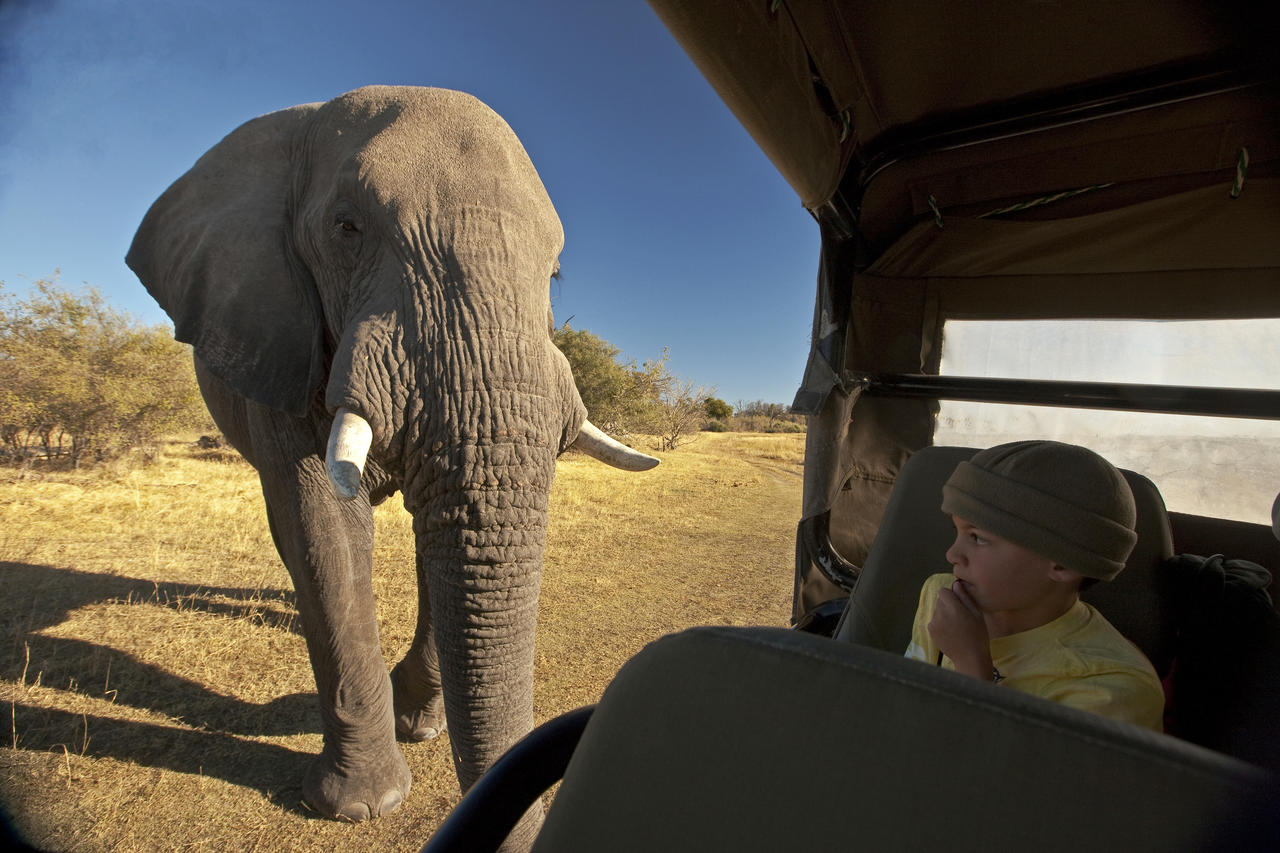
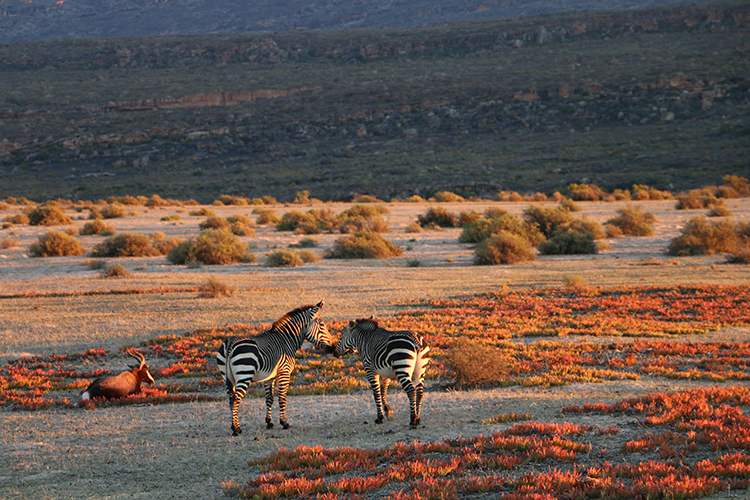

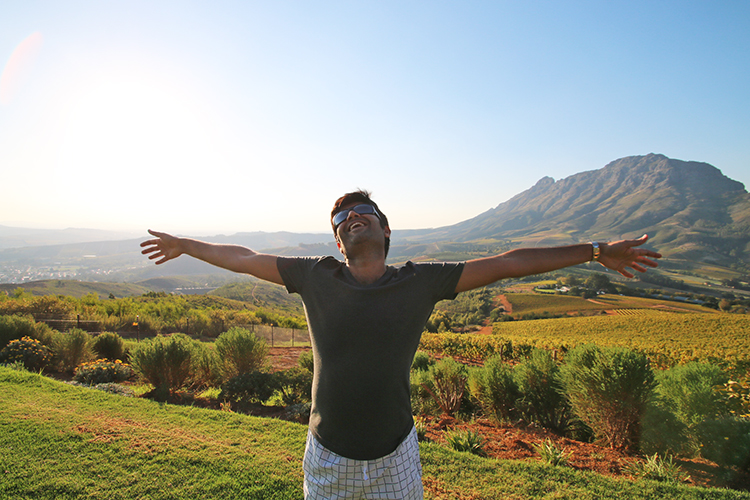
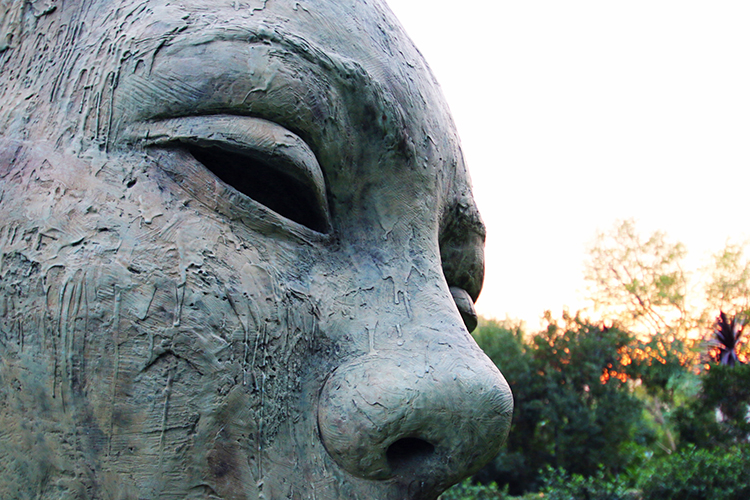
Below are a few images from our stroll through the vineyards of Delaire Graff Estate, and yoga and meditation with the Escape + Explore team, as well as our bonding over meals and other kinds of “food for thought”.
Safaris and the Things That Really Matter in Life

17634857_1615975288427546_778228927124381869_n

First published on the Relais & Châteaux Africa blog

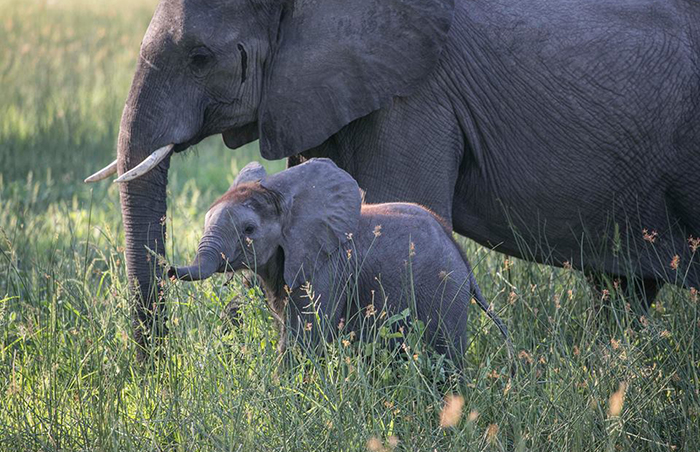
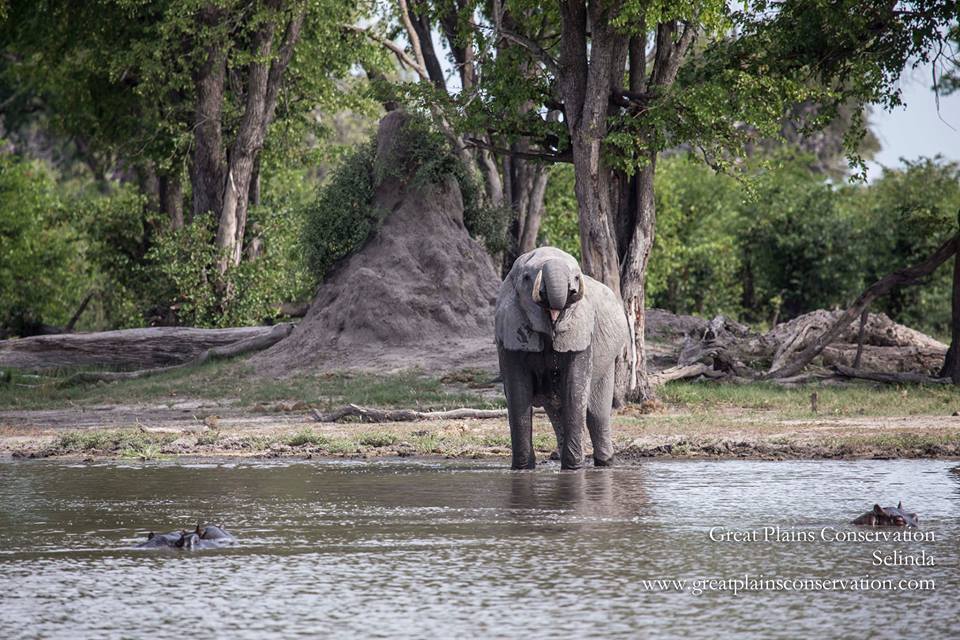
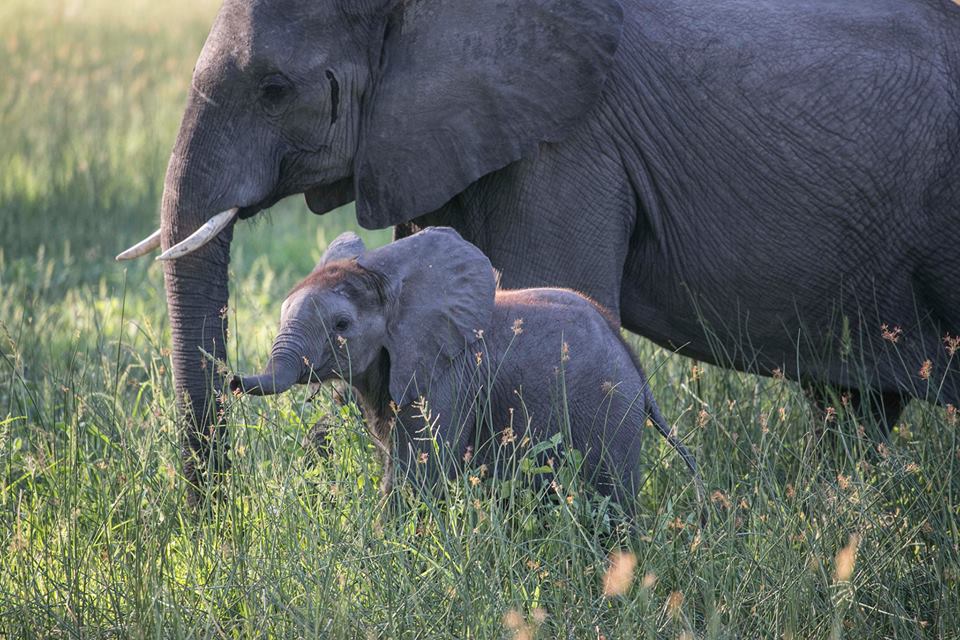
We have been inspired this week by a simple sentence. One shared by the Great Plains Conservation, the organisation encompassing a few of our favourite safari lodges and camps in Botswana and Kenya. The image accompanying the sentence, posted on Facebook, showed an elephant in the Selinda area, where Zarafa Camp can be found, lifting its trunk to its mouth for a drink from the river. In the foreground, a few hippos bob, while in the background a swathe of trees, alive and fallen, and bush, hopping a ride on a growing termite mound, fade into a blur. The sentence with it reads:

“Maybe the best thing about spending time in the wild and observing the animals who willingly share their space with us, is being reminded of the things in life that really matter.”

The words perfectly capture what it is that more and more of us are searching for in life – a feeling of purpose, an experience that goes deeper, that transforms, and that takes us away from the man-made and closer to our own wildness, to a natural pace and way. An experience that takes us closer to our own animal instincts and needs as well as our humanness – our vulnerability as well as our ability to feel gratitude and awe, and that speaks to our deep desire for belonging, meaning and fulfillment. An experience like a safari in the wild.

17426122_1610579128967162_2528184431575928073_n

Time in the wild can never be taken away from you, unlike a material object. It can never be stolen. Experiences stay with us for a lifetime. As the book, Stuffocation: Why We’ve Had Enough of Stuff and Need Experience More Than Ever, by James Wallman, says, simply, “Memories live longer than things,” and, “the best place to find status, identity, meaning, and happiness is in experiences.”

The book discusses the emergence of a new type of person. Rather than a materialist, this new kind of seeker is the experientialist. A person who knows that the deep and genuinely meaningful connections and sense of individual happiness that we seek cannot be found in objects, but rather moments…

17630026_1614426448582430_5462476717860260935_n

zarafacamp-greatplainsconservation-42

zarafacamp-safari-experience-greatplainsconservation-11

Watching a wild elephant go about a simple task like drinking is one of these moments. Having the camera to photograph the moment no doubt adds to it, because cameras are, in a way, tools of the experientialist, an experiential object, but the moment is no less powerful when you put the camera down. Most likely, it hits you even harder. Connects us more to the elephant, to the wild inside and out.

And, yes, it reminds of the things that really matter in life… like the beauty of wild things and the freedom of wild spaces and the need to protect them both.


Images from Great Plains Conservation.

Like a Rolling Stone

BK Pool 014 S

First published on Relais & Châteaux Africa’s blog.

The beauty of going slow when on an adventure is the gift of time, seeing more and seeing it more fully. I read somewhere recently that the smallest moments contain the whole universe if we just slow down enough, are present enough, to recognise them.

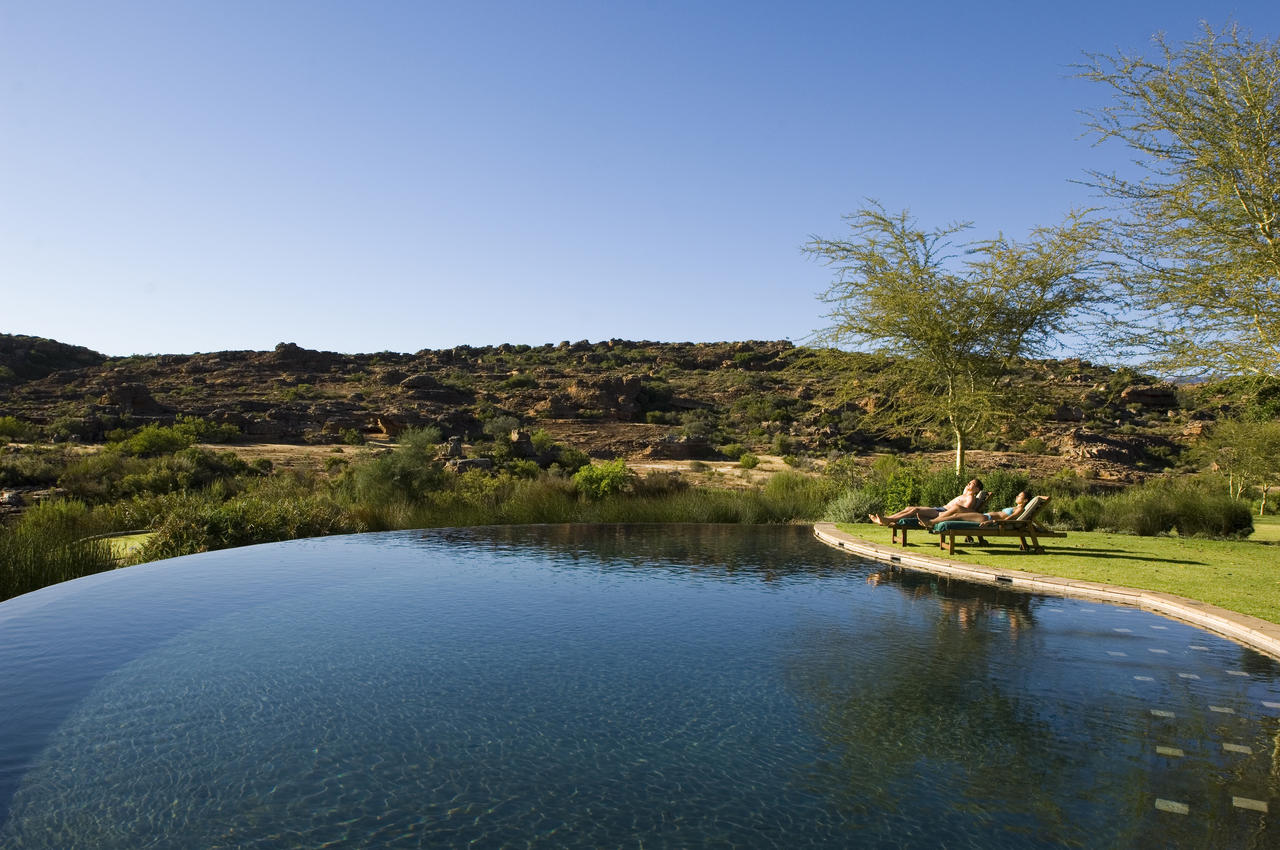
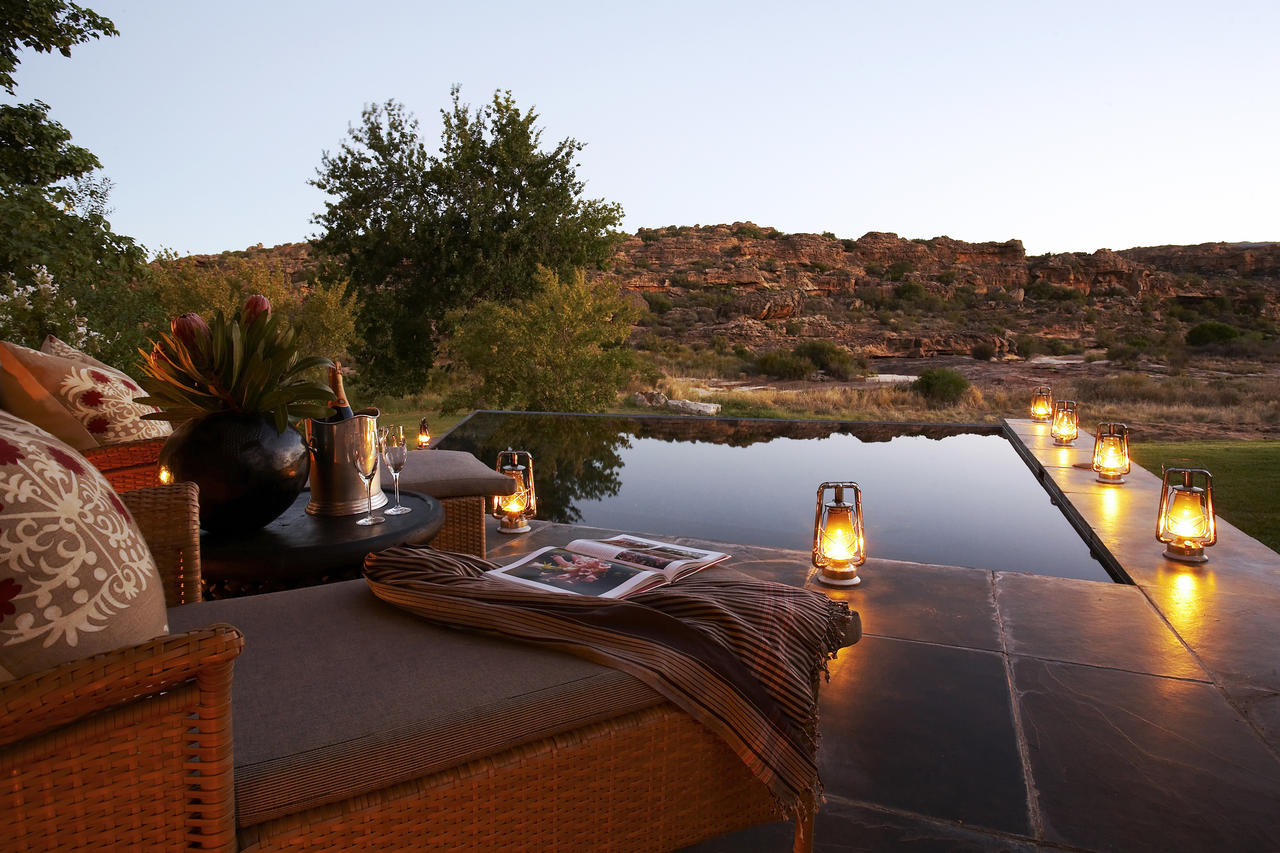
This is what I love about Bushmans Kloof Wilderness Reserve & Wellness Retreat. On the journey to the lodge, in its remote mountain valley in the Cederberg, travelling by car from Cape Town, my mind can wander through the clouds and the faces of the people we pass and the lyrics of Rodriguez and Bob Dylan that play over my speakers as the city slips away. As the red rocks of this part of the country come into frame through the window of the car.

I like things slow. Some of us simply do… our natural rhythms flow to a gentler tune. We get to see the little wonders that connect to the larger ones this way. You don’t have to do more to see these. You don’t have to think more, say more, be more. You just have to stop, to sit in the safari vehicle at dusk or around the dam in the sunlight and do nothing else but sit in the safari vehicle at dusk or around the dam in the sunlight. Like Thích Nhất Hạnh, the Vietnamese Buddhist monk, says, Why do we eat? To eat, of course.

BK Supreme Suite 024 S

In those moments we see it all… the zebra grazing on the ground, the foals rubbing their soft fur against Mom’s legs, the eland and bontebok dining beside them, a hawk in mid-swoop, the bees and sunbirds doting on the fiery flowers of the aloes, the sun and moon moving too slowly to detect, and the dung beetle at work, like a rolling stone…

You don’t miss it. You don’t miss out on the bright little moments that are life itself. The next time you find yourself embarking on an adventure, even if it is simply the daily adventure of life, consider these…

10 Rules of Slow Travel

  1. Slow down
  2. Pack less
  3. Get out of the car
  4. Be patient
  5. Look and listen
  6. Connect and Interact
  7. Keep that mind open
  8. Seek authenticity
  9. Journal it all
  10. Play more Bob Dylan

Bushmanskloof Little Wisdoms

Bushmanskloof 4

Bushmanskloof 8

Bushmans Kloof

Little Wisdoms 12

Read more about Bushmans Kloof in these articles on Instants

The Bushmans Kloof: Reconnecting with the Human Past
The Bushmans Kloof: The Cave
The Bushmans Kloof: Food, Shelter and Fire

The Art of Getting to Know Someone

Chef Martha 1

First published here, on the Royal Chundu blog.

As I sit with my laptop before me, both connecting me with the world and getting between the two of us, I am more and more aware that while modern life may let us know more people, it does not necessarily let us know them.

We get to follow the lives of friends, family, acquaintances, people we’ve never met, and learn about them through screens – but we rarely commit as much time and spirit to doing so face to face. Through that unscripted, unfiltered, unpolished yet beautiful interaction of two people sitting across from each other, getting to know each other.

We find ourselves in other people, and through them. We also, simply, find them, other unique souls to connect with, grow with, feel with – truly, messily, embarrassingly, feel. The heart shows up. In a way that it can’t through a screen, through the facades of technology.

When you travel, you get to meet new people, and sometimes you get to stay around long enough to get to know them. At times, it’s a journey, a relationship built gradually, patiently, but deeply, with each visit. You may see them through the screen in the time between, on social media, but you know the heart behind it all. You understand everything better. You see the truth. And what is life without heart, understanding and truth?

On the river

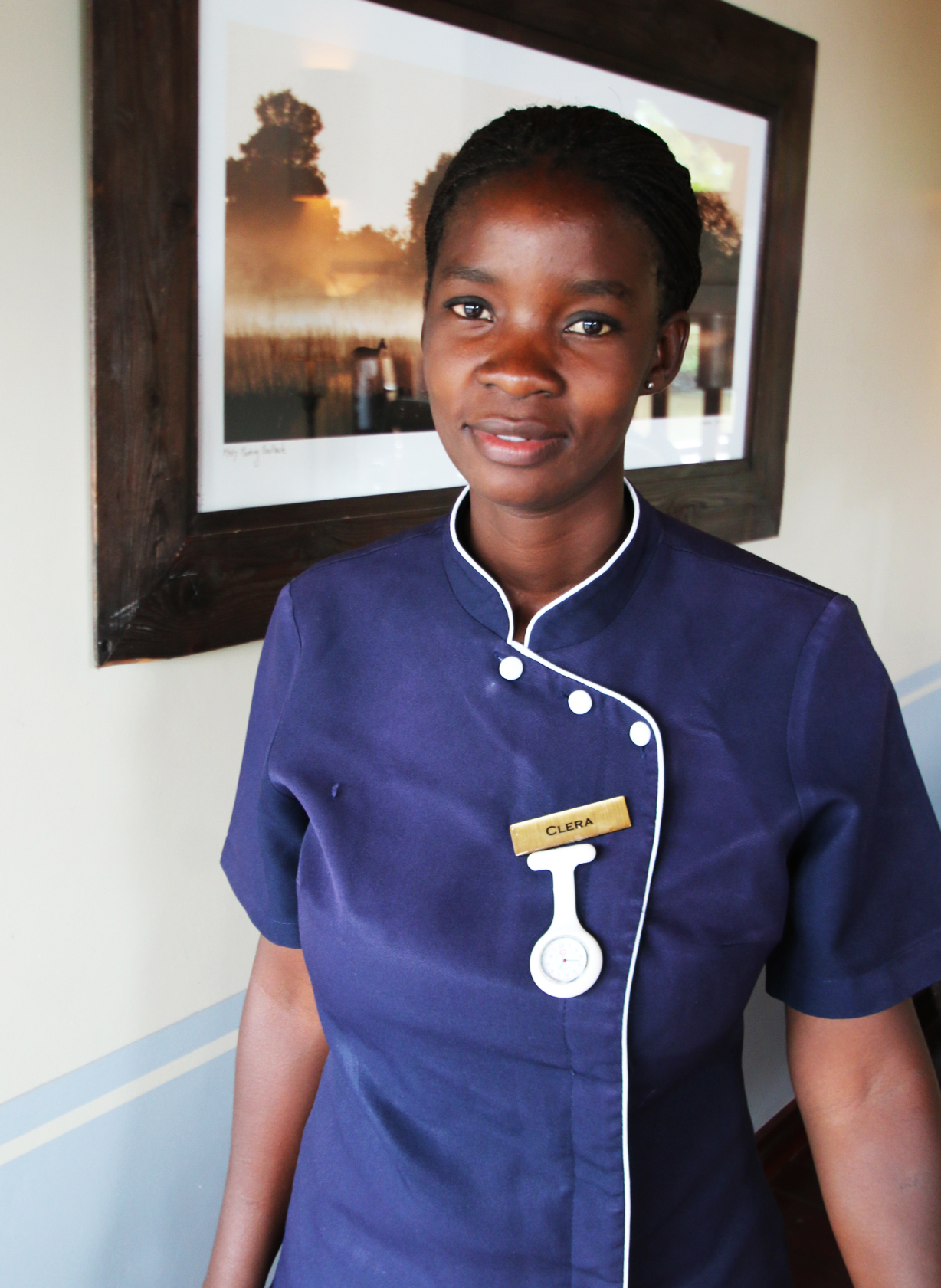
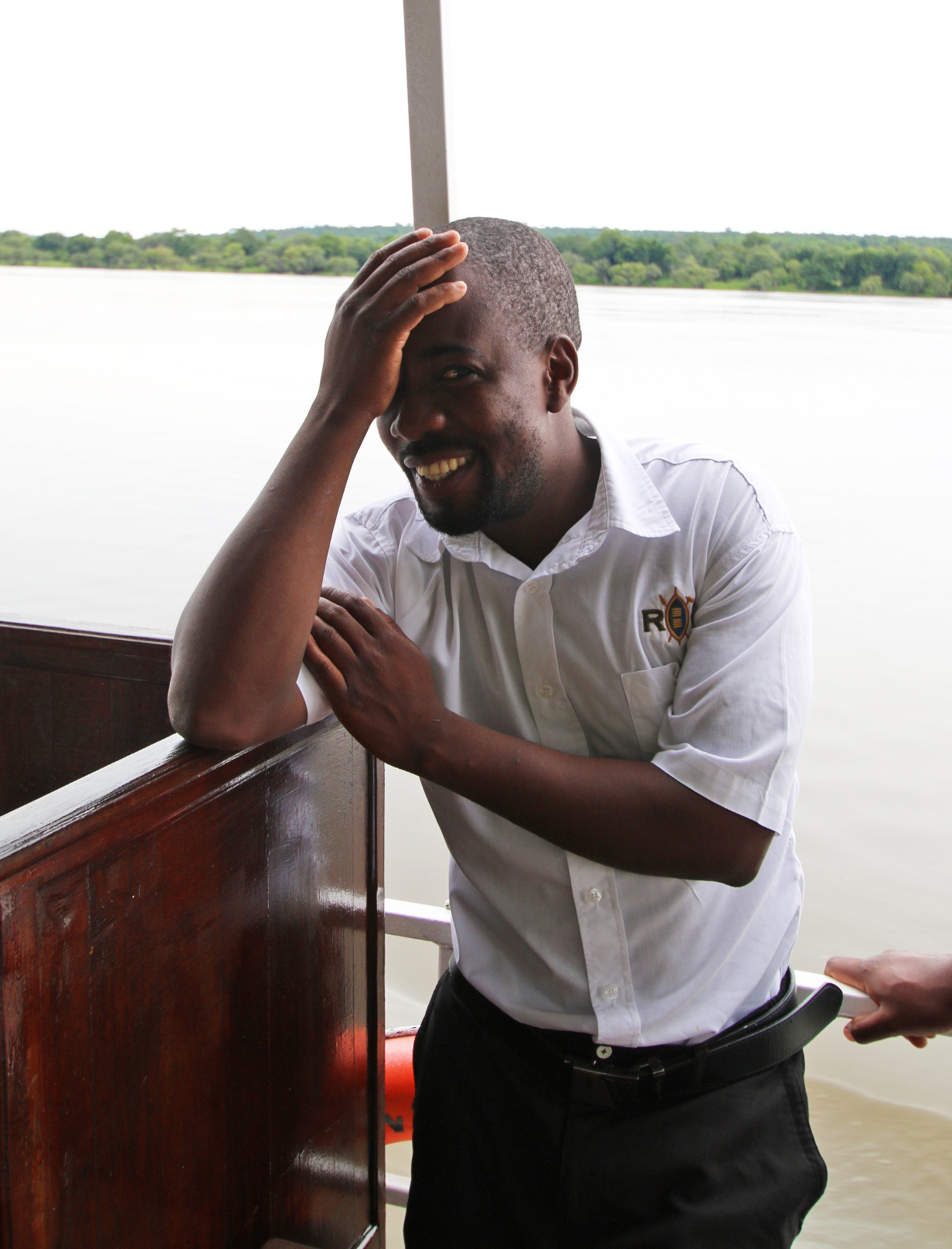
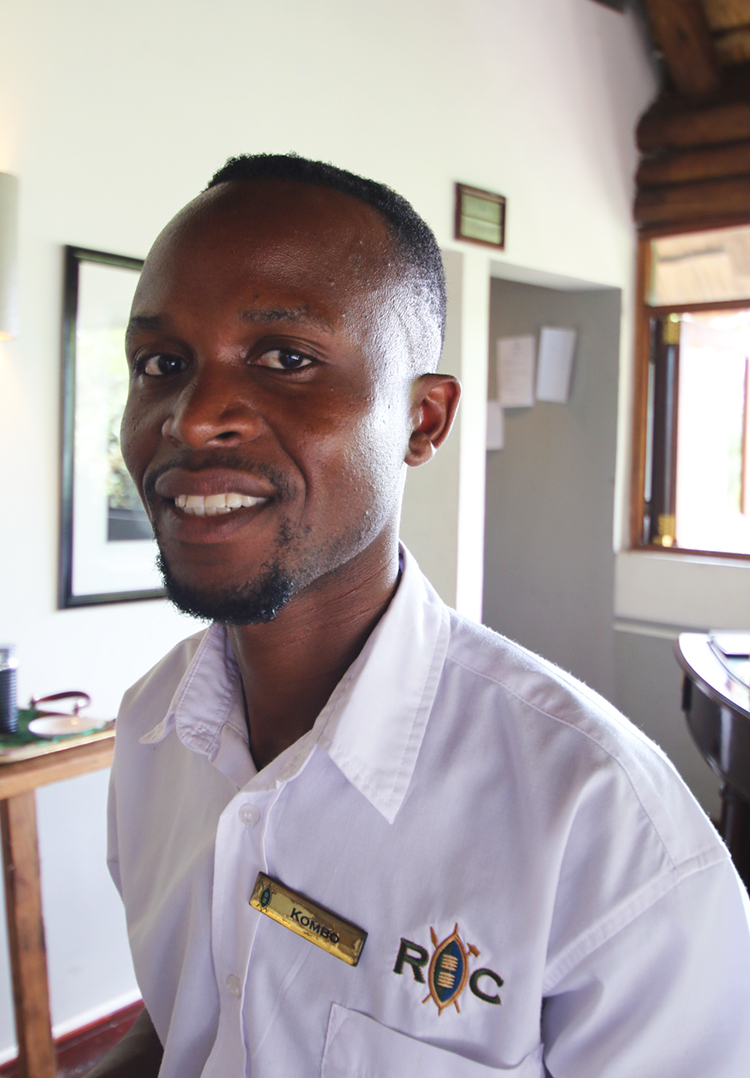
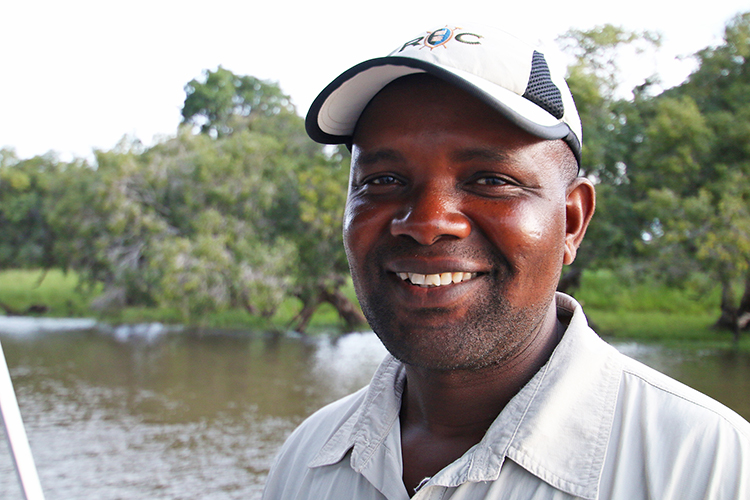
Spending time with the men and women working at and living around Royal Chundu (the spa therapists, the waiters, the chefs, the guides), the art of truly getting to know someone comes into play. Not merely on sunset cruises or boat trips between River and Island Lodge, but through everyday conversations around the lodge and on day trips.

I often find myself, as a traveller who returns to Royal Chundu frequently, wanting to spend all of my time with the team. Behind the scenes and in front. Because people change a place; they make a place. Just as much as they change us, the traveller.

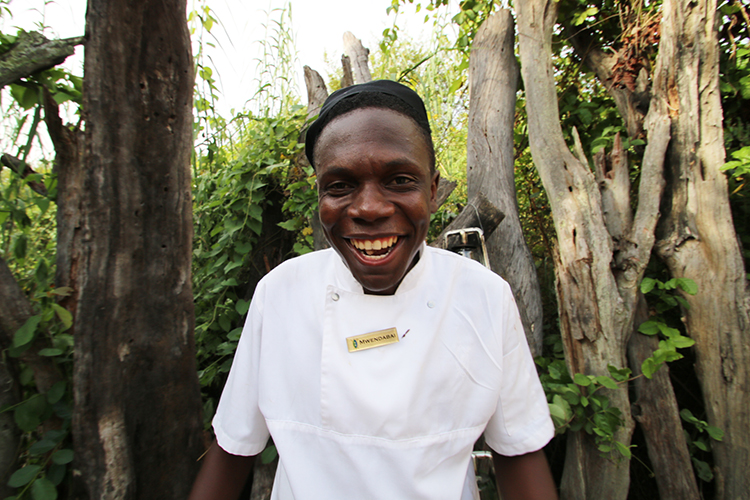
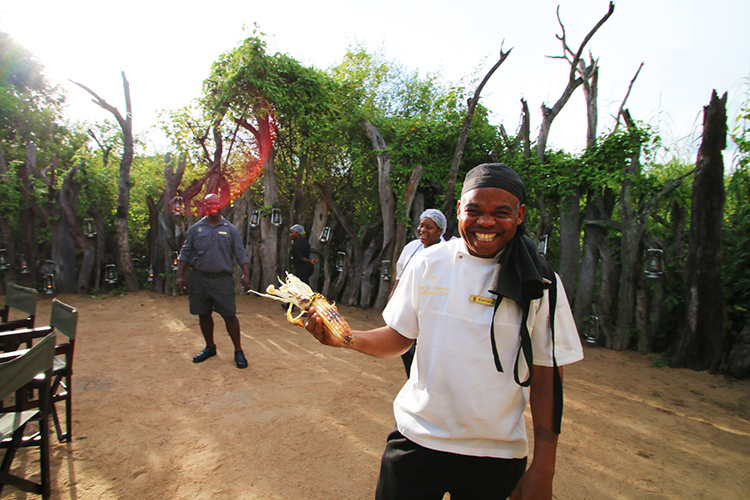
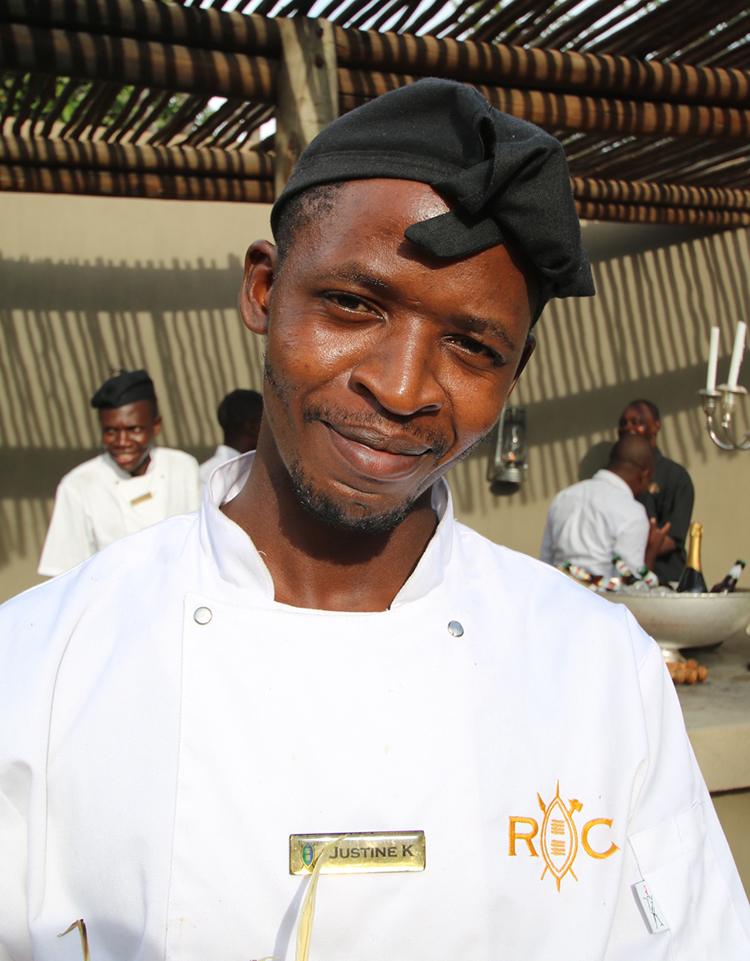
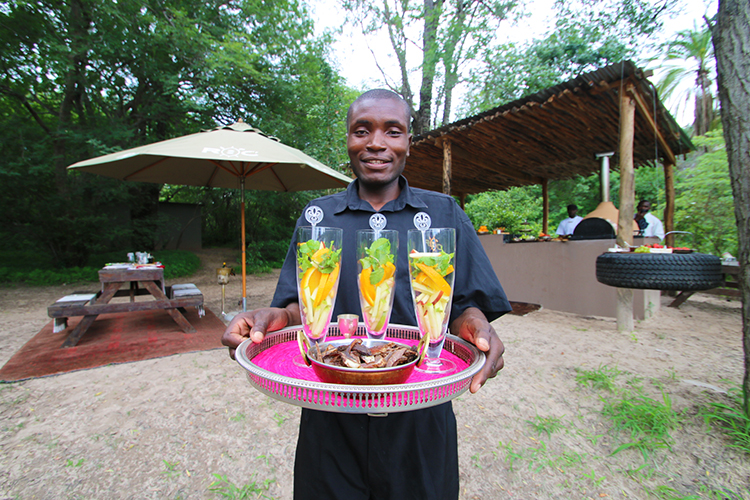
Below are a few photographs of the people you’ll meet at Royal Chundu taken on a recent visit, during stolen moments in between adventures or on the adventures themselves.

Chef Slim 1

Chef, Slim

Chef Banda

Chef, Banda

Chef Justin

Chef, Justin

Waiter Luvita

Waiter, Lubita

Clara

Spa Therapist, Clare

Dom

Waiter, Dominic

Waiter Kombo

Waiter, Kombo

Guide Fred

Guide, Fred

In the Garden of Togetherness

First published on the Royal Chundu blog.

village-1

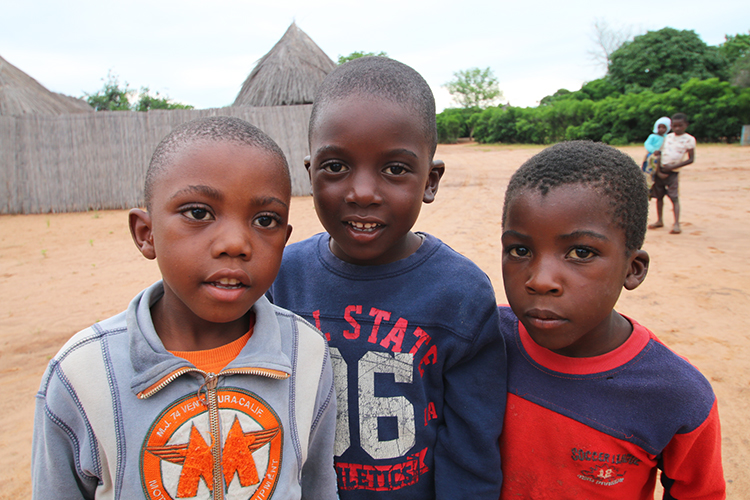
As the saying goes, it takes a village to raise a child. And the village of Mushekwa, alongside Royal Chundu on the banks of the Zambezi, has many children. Even the children help in raising children. Young boys that reach only to my hips walk with a child propped upon their own sides. Everyone here is a mother and a father, a sister and a brother, a teacher and a nurse, a friend.

When we enter into their space, when we visit the village, the people, Edith Mushekwa and her greater family, beside their homes, we are at once at home ourselves. It’s the village way. The spirit of community. It gets you and it changes you.

Each visit to the village takes us away from everything. Literally, yes, it being a short boat ride away from the lodge. But also away from what most of us are used to… back home, in the city. Edith and her extended family, and their extended family, are constantly working. But working together. A meal is always on the go, cooking slowly in the pot for more than one household to share – to share together. The children are always out and about, either at school or playing in the wide open spaces between their huts – playing together. Never alone.

mushekwa-village-24

When we arrive at Mushekwa, and when we leave, the whole village comes to wave hello or goodbye. They stand on the shore as our boat approaches or drifts away. They stand together.

It’s the village way and it’s how they survive, how they thrive.

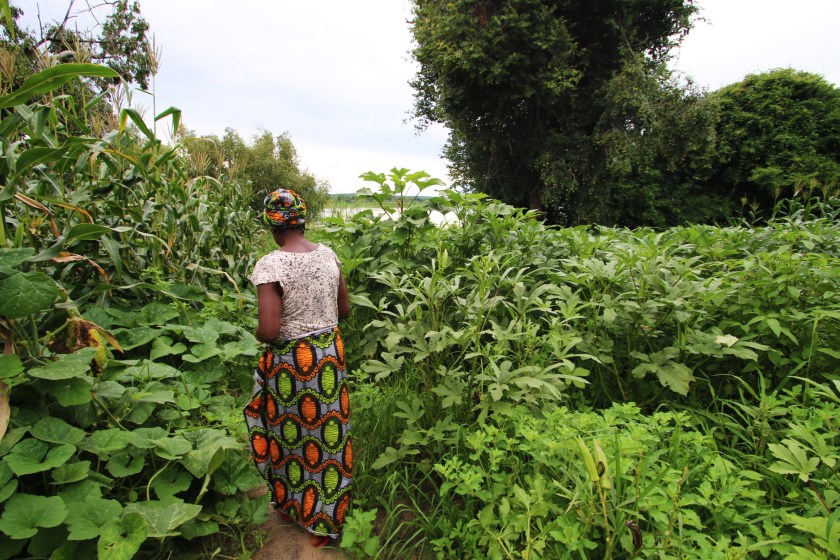
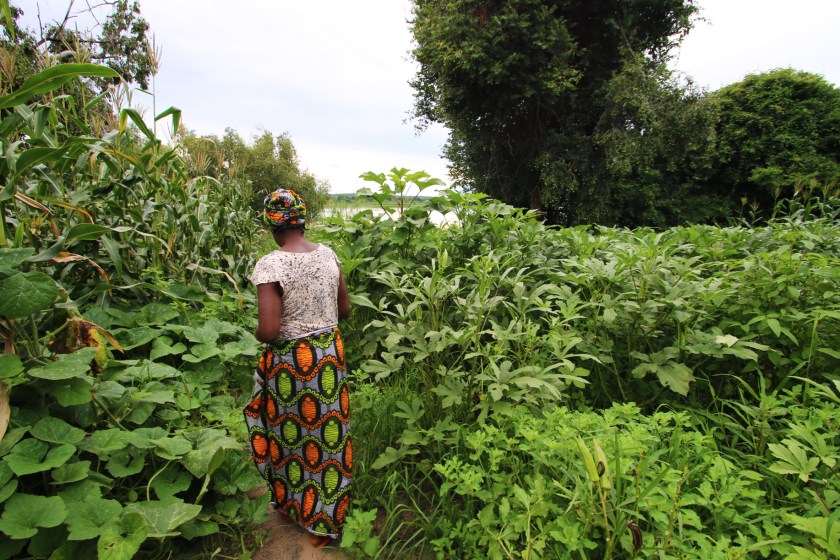
It’s also why they now have the Lost World of vegetable gardens. With seeds that Royal Chundu donates to the village, they have created the most verdant of orchards behind the wooden fences that keep the chickens (and hippos) away from the towering field of mielies, sweet potato (kandolo), carrots, lettuce, tomatoes, eggplant (impwa)… Rainy season has certainly helped, as we discovered when we stopped by recently.

In celebration of the month of love, and in honour of Green Season, here is a look at the garden of togetherness, in its current period of bloom…


Read more about the spirit of togetherness that forms part of the Royal Chundu experience in, The Ubuntu of the Upper Zambezi.

Waddler, Waverider, Wingman. Meet the Bird of Love…

b9

First published on Relais & Châteaux Africa’s blog.

“… Once a penguin finds its perfect other penguin, they stay together pretty much forever.”
― Anna Staniszewski

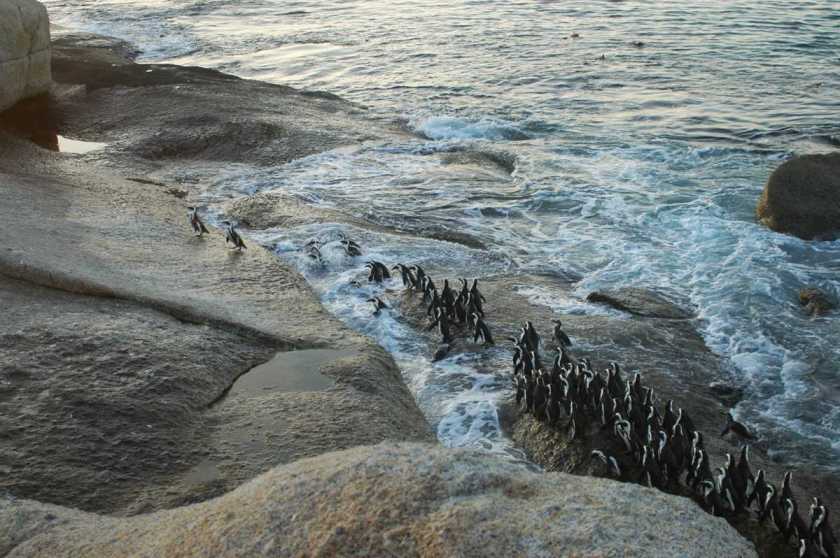
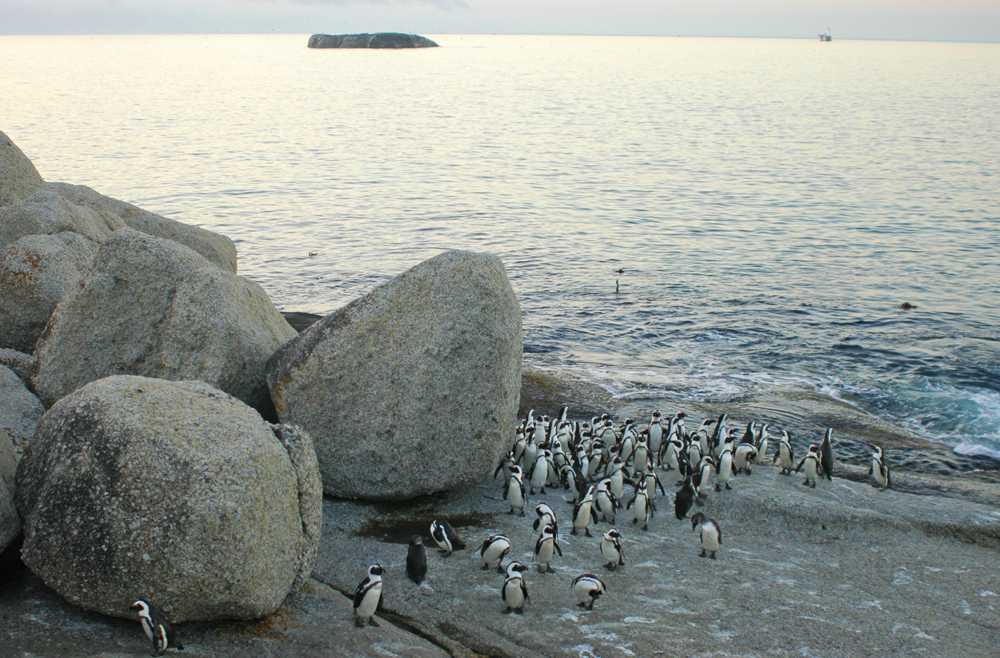
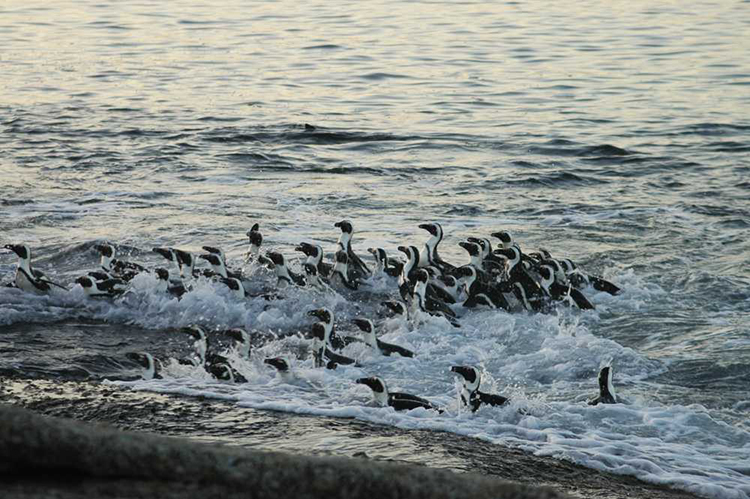
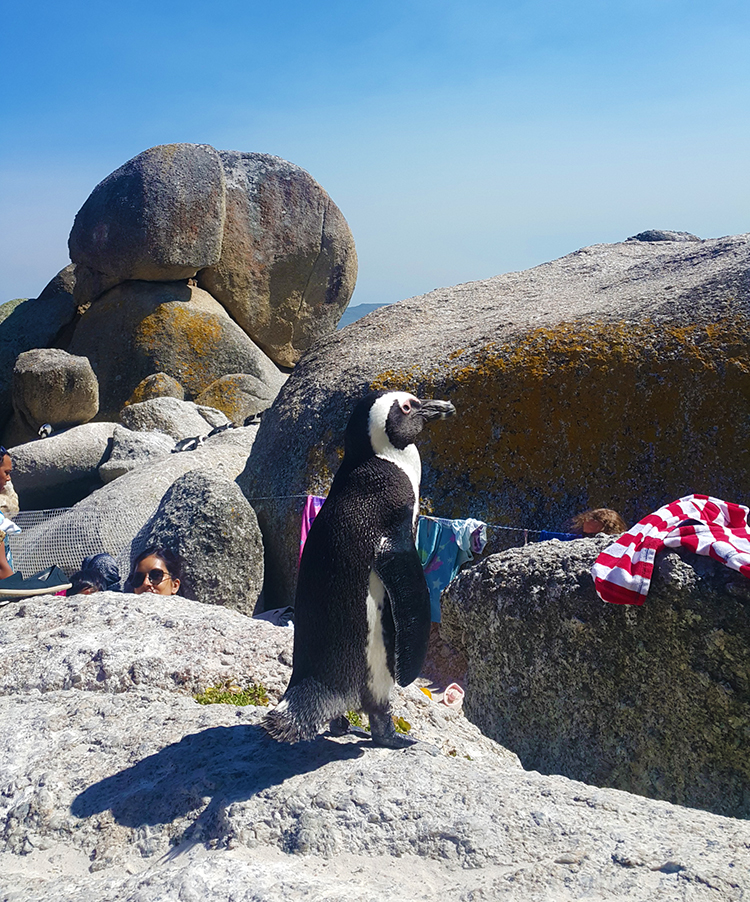
This is a whole other kind of birding safari. There is no waiting for the bird to take flight, so to better capture the details of its outstretched wings. There is no scanning the trees for the shake of a tail feather or the rustle of a nest. These are birds of the sea. Aquatic and flightless and known as the African Penguin. And here, at Boulders Beach in Simonstown, Cape Town, is the only place in the world where you can get up close to them in the wild.

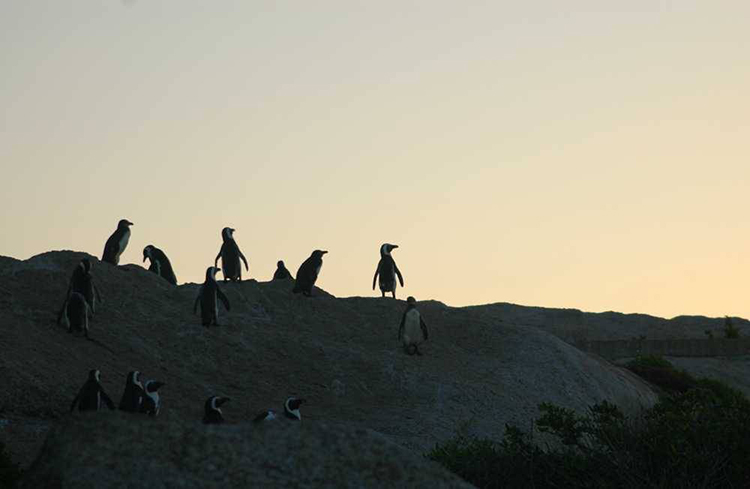
Their tuxedo outfits and characteristic waddle aside, what makes these birds so charming is their unique love for each other. Penguins pair for life, climbing into their nests beneath the trees here at Boulders Beach with their loved one at night, every night (for better or for worse).

DCIM100GOPROGOPR9158.

DCIM100GOPROGOPR9119.

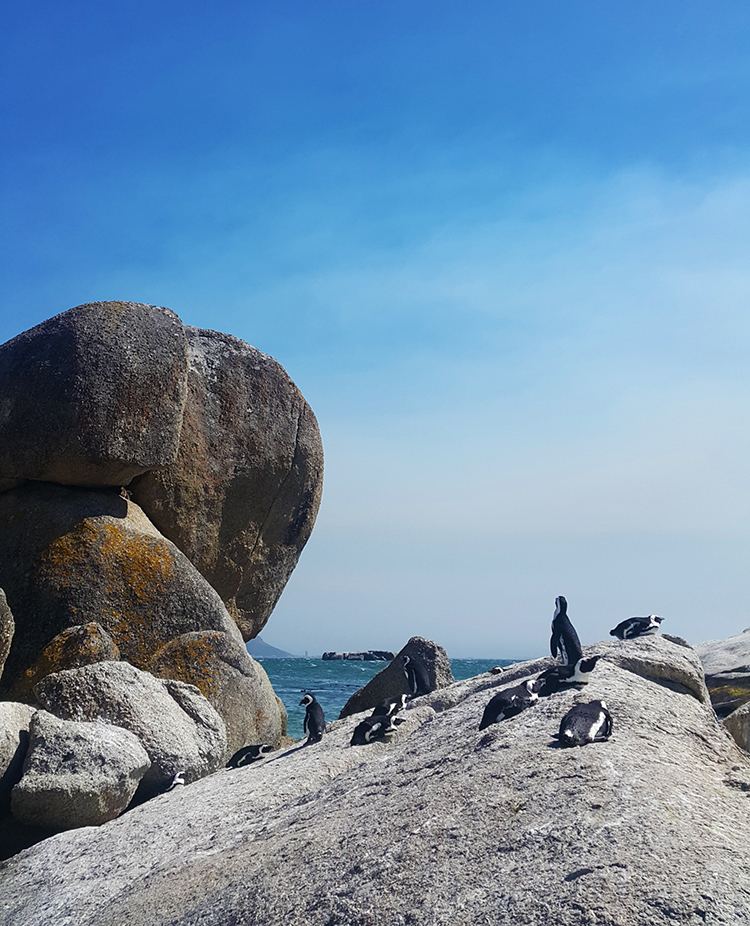
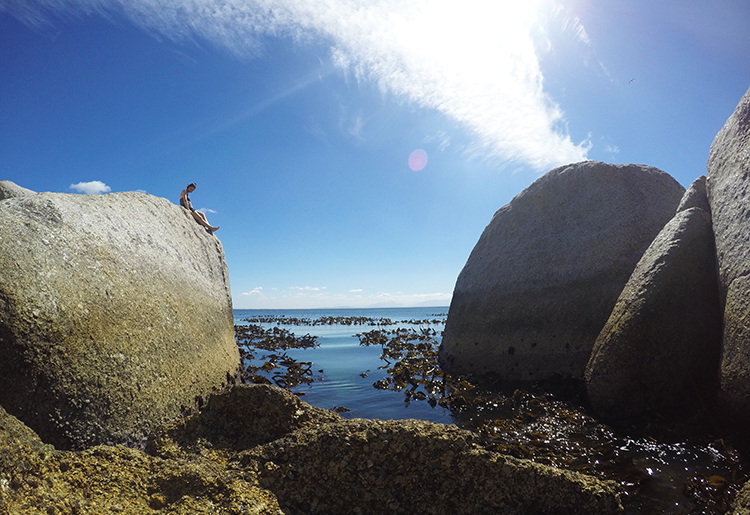
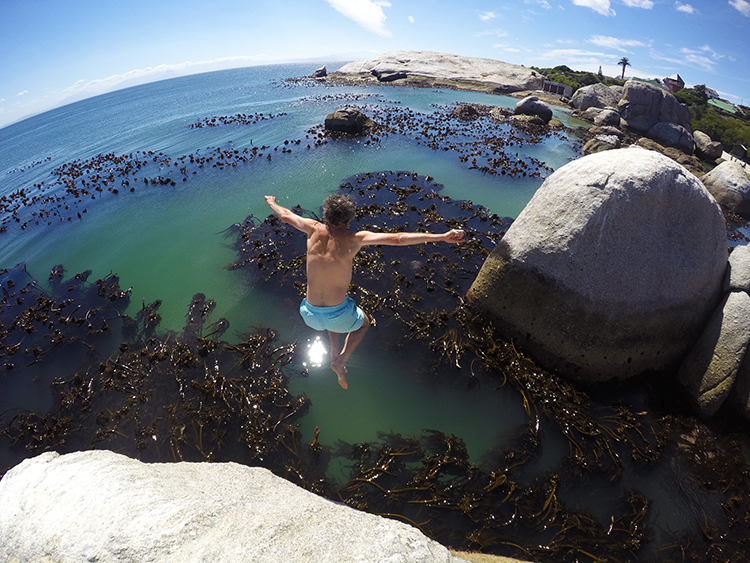
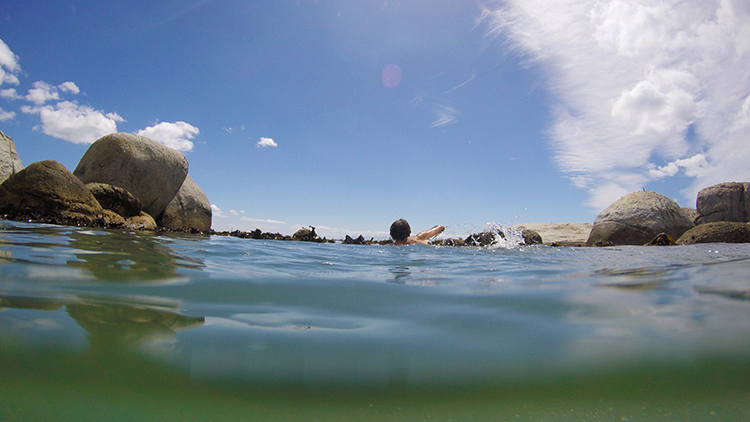
Between ancient granite boulders, Boulders Beach is itself a declaration of love – set up to protect and care for the African penguin. Part of the Table Mountain National Park Marine Protected Area, the beach is always clean, safe and crowd-controlled and the water is warmer than many other beaches in the city.

A short walk away is Foxy Beach, where you can lay down your beach towel between the penguins or take to the water, while the odd wave-rider flaps past you. This closeness between man and penguin is all the more special considering that the birds are currently listed as endangered.

Habitat loss, declining fish populations and encroachment by humans has seen their numbers dwindle from around one-and-a-half million in 1910, to a mere 26 000 breeding pairs in the world today. Funds from the over 60 000 visitors who visit Boulders Beach each year are vital in helping the penguin conservation efforts at work here.

b8

b31

“To help stop the loss of chicks, and provide a safe breeding environment, Boulders Coastal Park management has introduced artificial nesting boxes, which you will see when you walk through the area. Thanks to conservation initiatives by the Southern African Foundation for the Conservation of Coastal Birds (SANCCOB), the Dyer Island Conservation Trust, and SANParks, these precious penguins may yet survive to swim, and waddle, another day.” – South Africa Tourism

Below is a look at our recent visit to see the penguins enjoying the summer sun, side by side.

b11

b2

DCIM100GOPROGOPR9086.

DCIM100GOPROGOPR9249.

DCIM100GOPROG0189951.

Boulders Beach

Boulders Beach 2

DCIM100GOPROGOPR9727.

DCIM100GOPROG0139730.

DCIM100GOPROG0109642.

DCIM100GOPROG0189909.

Images by Tamlin Wightman

The Moonwalkers of Cape Town

Cape Town 1

First published on the Relais & Châteaux Africa blog.

A mountain rises up in the heart of the city. It splits off into new peaks, toward the vineyards of Constantia and Steenberg, toward the Atlantic Ocean, toward the southern most tip of the city, the Cape of Good Hope.

It was here before the bars and restaurants. It will be here long after the hotels and art galleries and cinemas. It is the true north of the city, resetting us on our path – we who live around it. It is part of the city’s personality, but more than that, it is part of us. The locals.

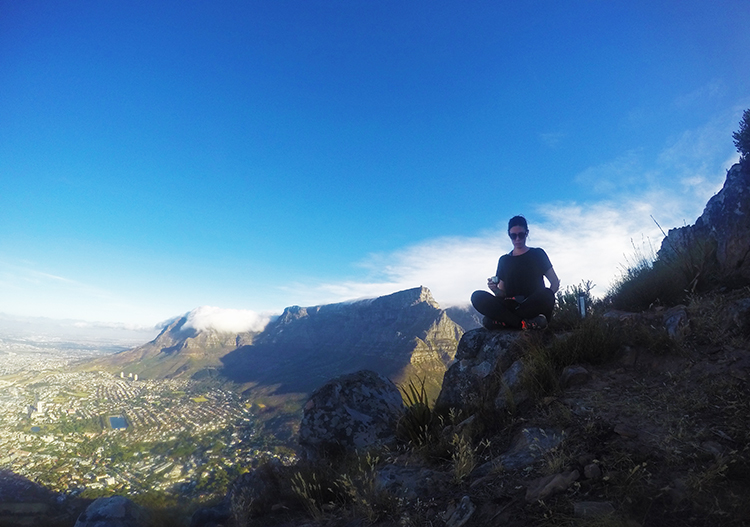
Travellers to Cape Town know its significance. It’s why most days and full moon nights you will find people from all around the world making the pilgrimage – whether to the top of Table Mountain or its outlying peaks, in particular… Lion’s Head. The mountain resembling that King of the bush but home only to the birds, lizards, dassies and people of the Cape.

DCIM100GOPROGOPR7495.

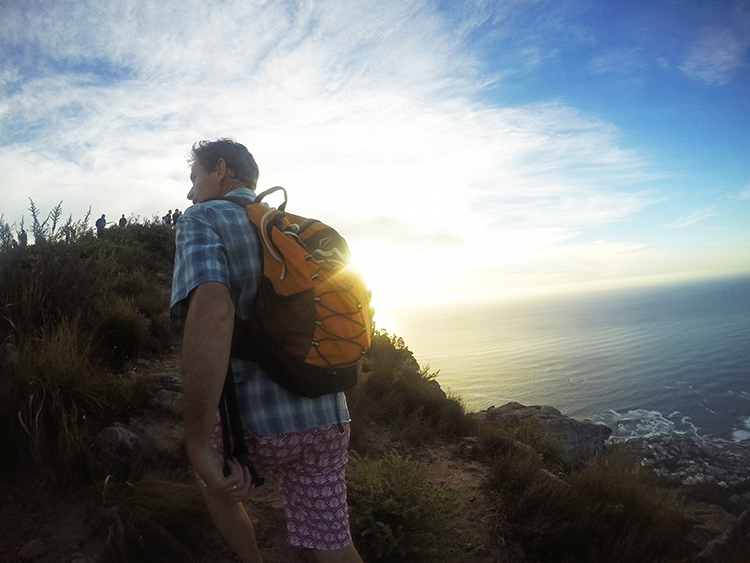
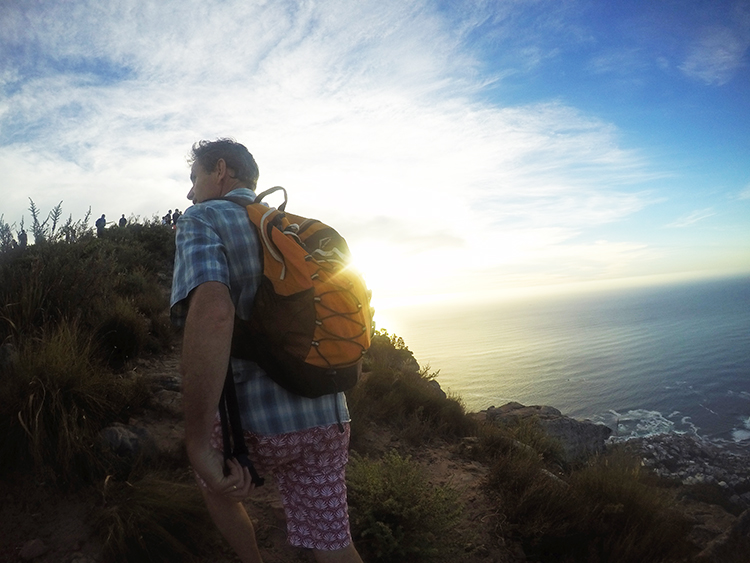
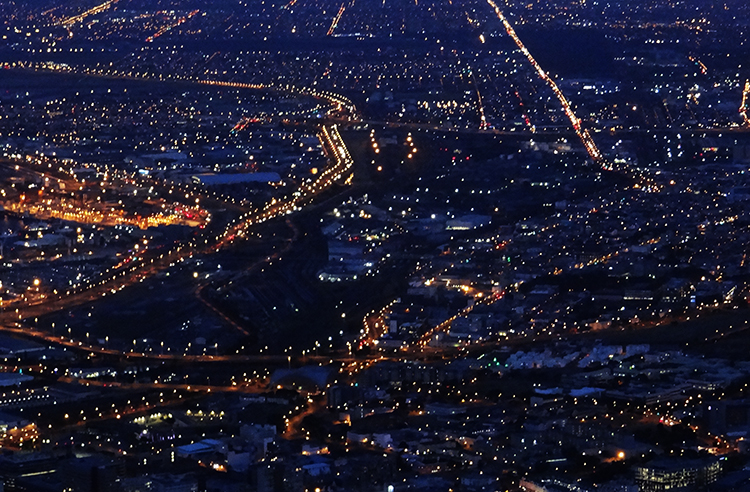
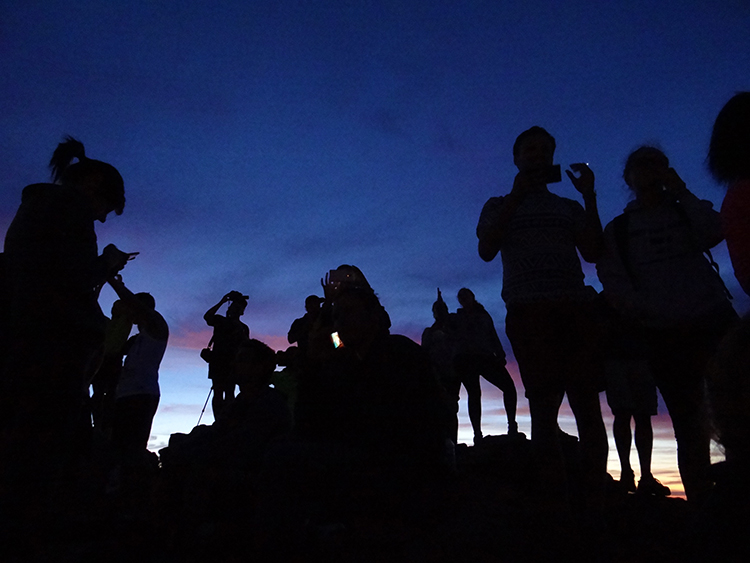
As ingrained in my psyche as Lion’s Head is, in my past, present and future, until recently I had never embarked on the Moonwalk. Armstrong and Aldrin aside, this hike takes place each full moon. Hikers make the ascent up the mountain just before sunset and wait on top for the moon to rise. They leave only after the claps and shouts and exclamations of awe and disbelief as that round astronomical reminder of our place on earth rises, slowly, slowly. And then they start on the hike down – in the pitch black night, guided by the light of the moon (and each other’s head lamps.)

You understand everything better up there – watching the brightest and largest object in our night sky, the reason for our Earth being a more livable place, surrounded by people all finding delight in a rather simple phenomenon of nature. Simple, yet so mesmerising. And you fall in love with the city, again. And again.

DCIM100GOPROGOPR7504.

DCIM100GOPROGOPR7491.

DCIM100GOPROGOPR7489.

DCIM100GOPROGOPR7451.

The view

Night lights

Night

City life

Moon

Moongazers 1

Moongazers

Night 1

Lights

At One with the Wild Things of Madagascar

anjajavy-le-lodge-4

First published on the Relais & Châteaux Africa blog.


If it is true that fear is the opposite of love, Anjajavy is one place your heart can be sure to find itself again.

There are many things that scare me – the more tangible in nature, like baboons, the big cats and black mambas, but also matters of the heart, like love, truth and trust, and the possibility of losing them. Because of this, because I value courage, because I am in awe of the wonders that exist on the other side of fear, I challenge myself to cross over.

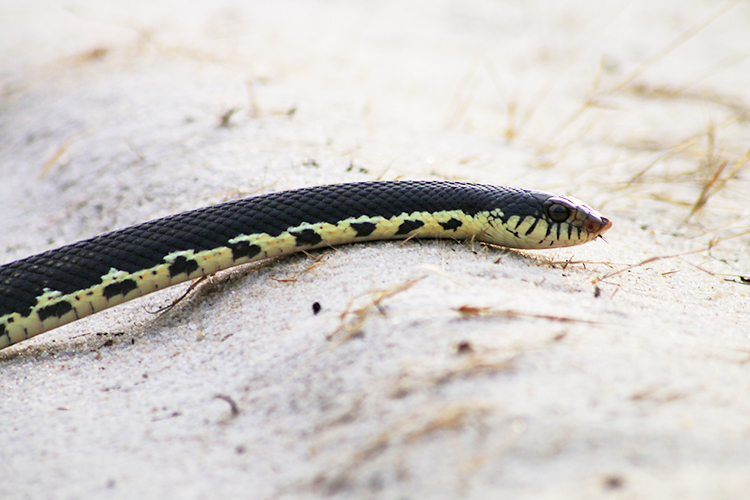
Travelling to wild and remote spaces in Africa, my courage is put to the test constantly. And each time I make the leap, I am rewarded. By an excitement that makes the skin on my arms blush – from a gaze shared with an animal much larger than me. By the honour of nature’s acceptance – when a snakes slithers into my space and lingers, gently, before moving on. By the greater understanding that comes with seeing nature for what she is – real and complex, with skies and seas both fierce and gentle.

As in love, the leap in the face of fear is always worth taking. It is in the leap that life resides.

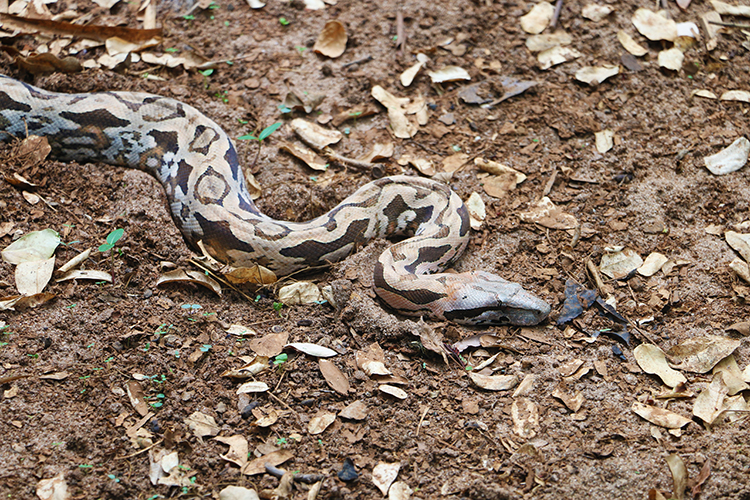
That said, there is a beauty in a place like Madagascar, with its animals that are brighter, larger, louder and all round more peculiar than anywhere else in the world, and, yet, as my guide at Anjajavy le Lodge, Jonhson William Clovis, told me, not at all dangerous. Not to humans. The ground boa might be fond of lemurs but people hold no allure.

Rather than having to be brave, I could be free, I could return to that state of childlike wonder that comes with feeling safe and protected. I could get close, I could let my guard down.

anjajavy-le-lodge

With Jonhson, who knows more about the island than I could hope to learn from a century of guidebooks; with Cédric de Foucault, Maitre de Maison at Anjajavy le Lodge and the heart of Anjajavy; with other travellers, young and old; and alone, I roamed the forests, day and night.

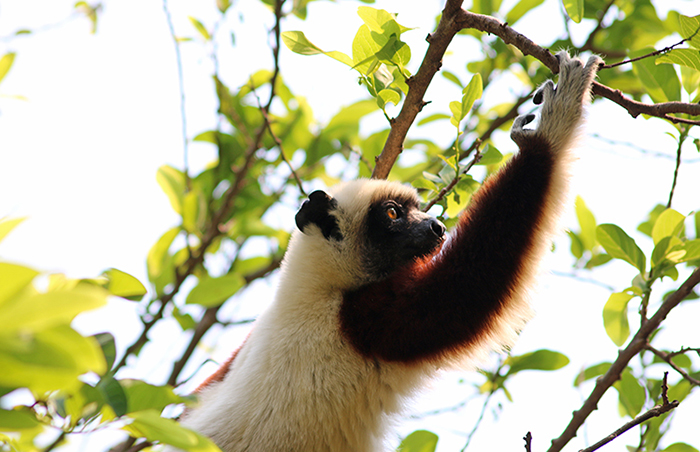
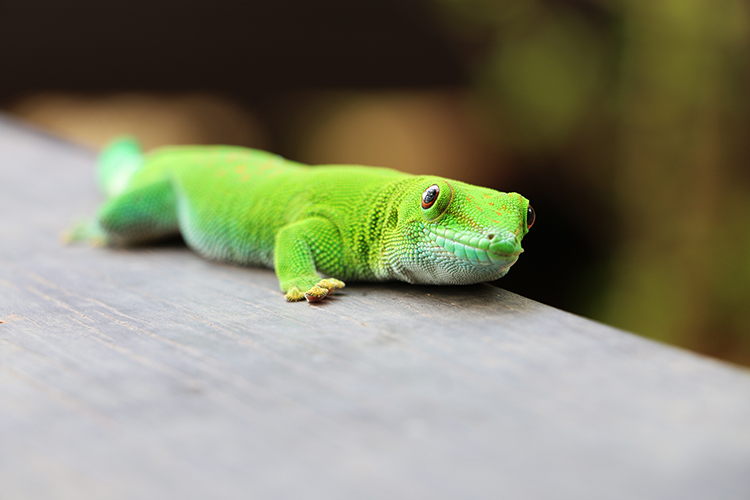
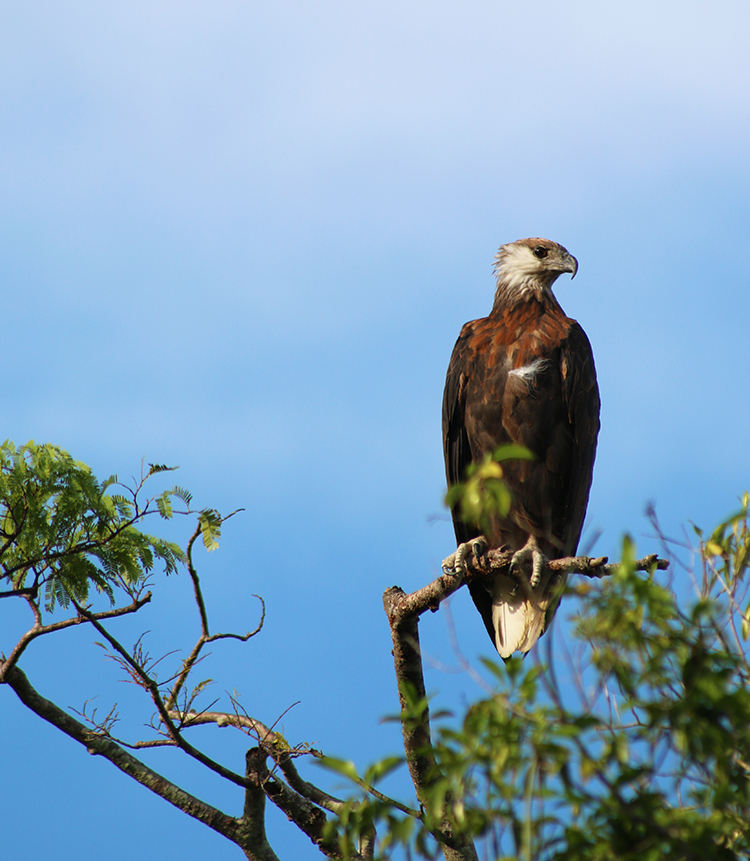
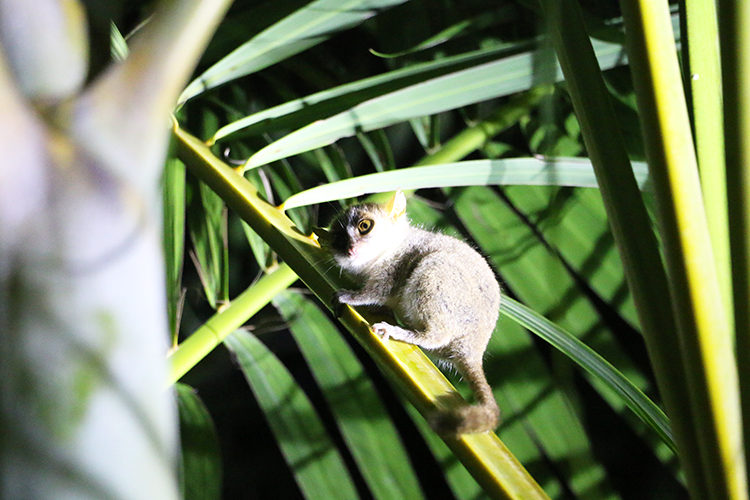
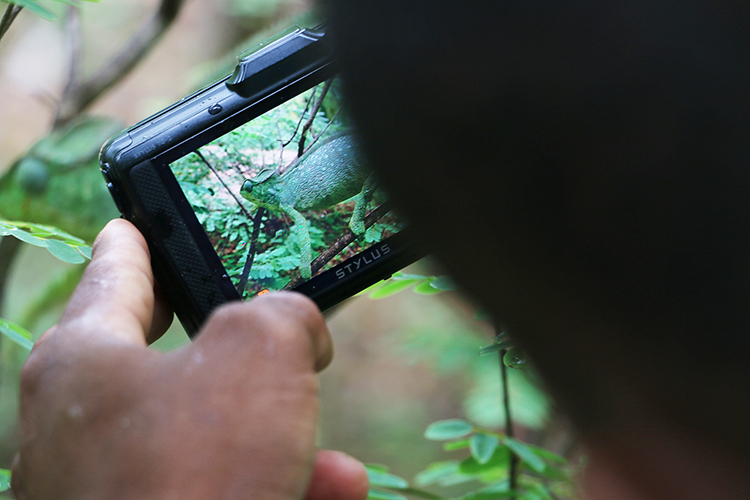
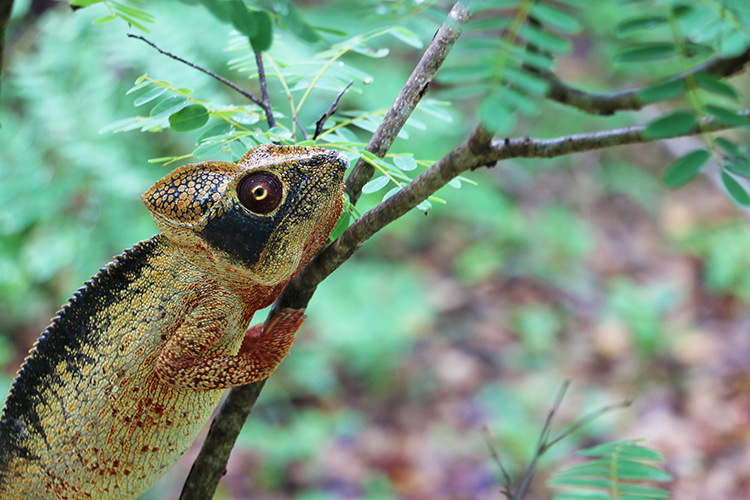
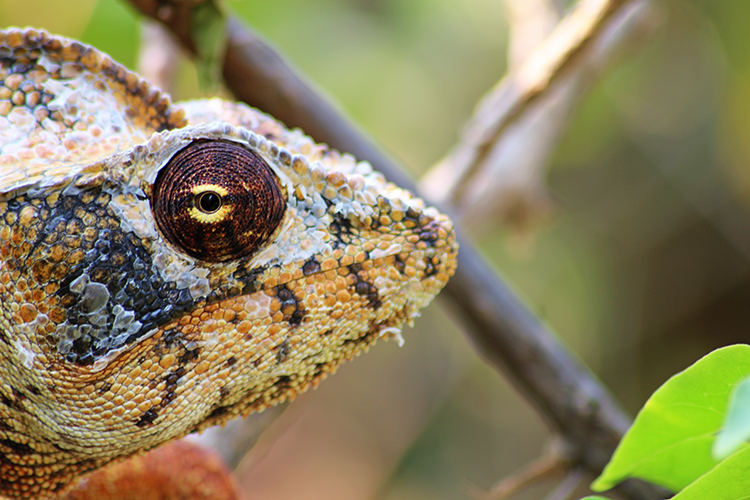
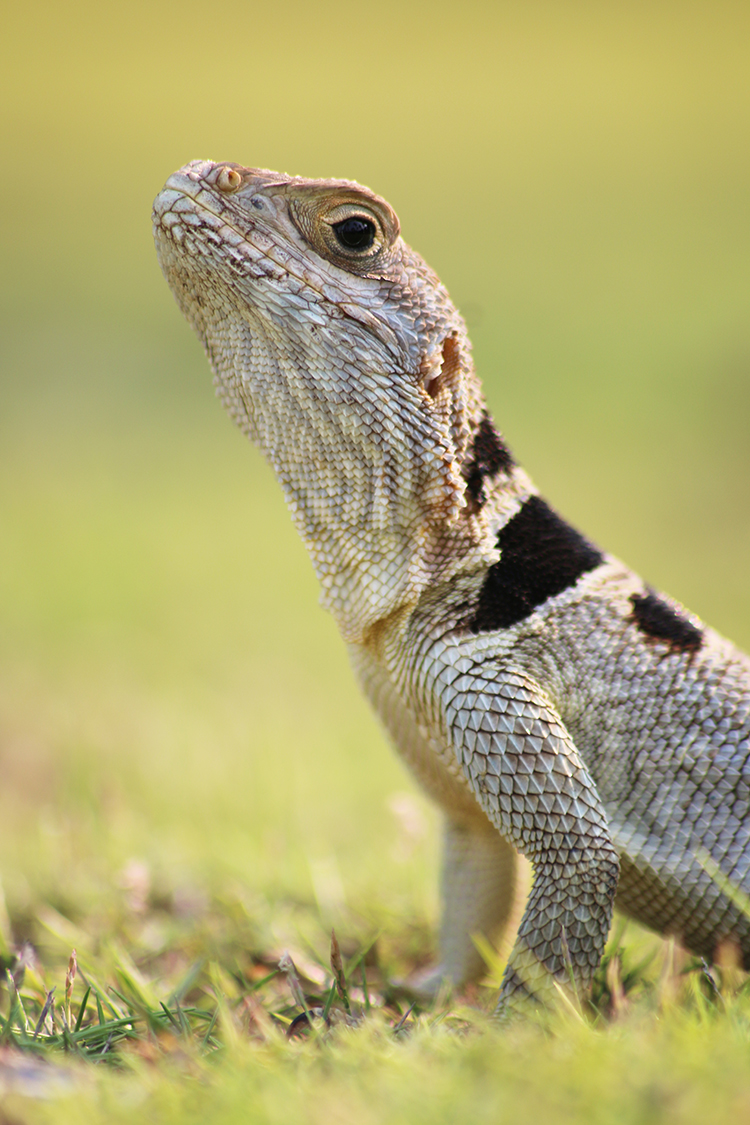
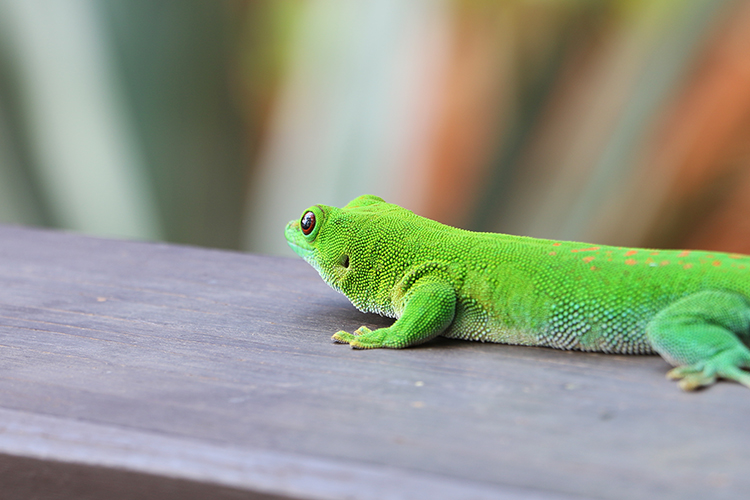
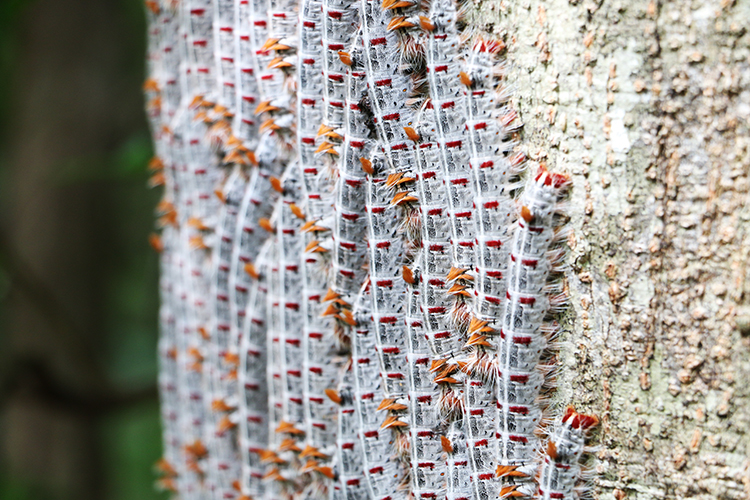
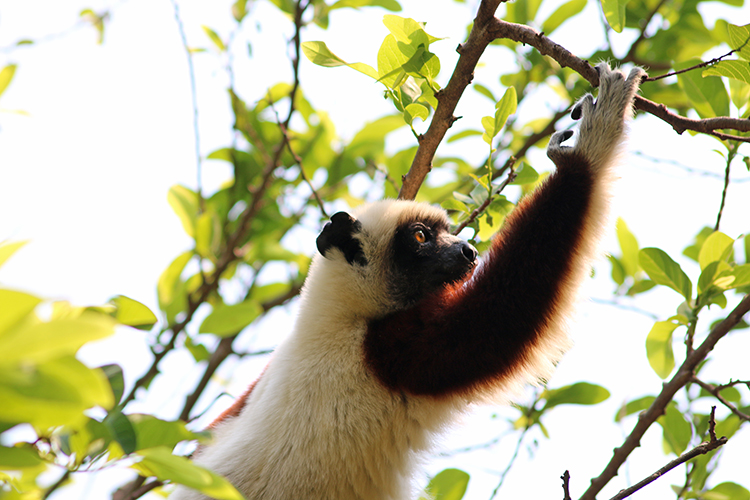
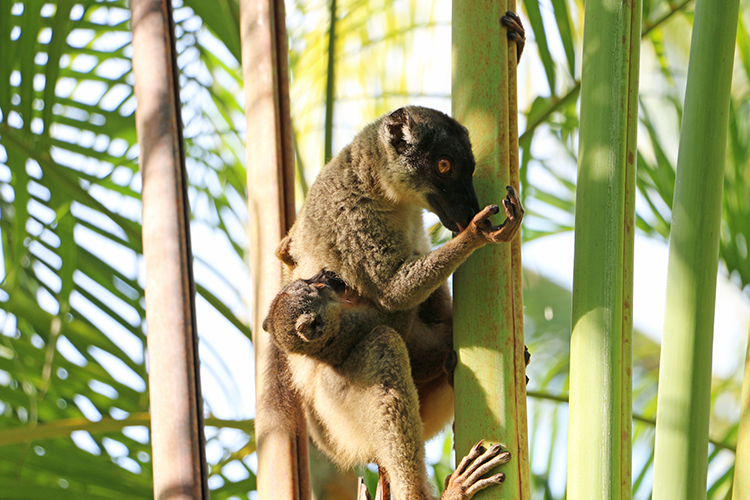
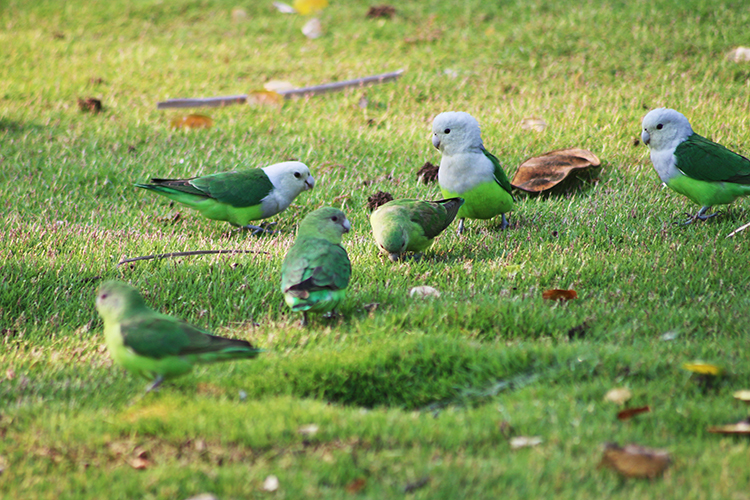
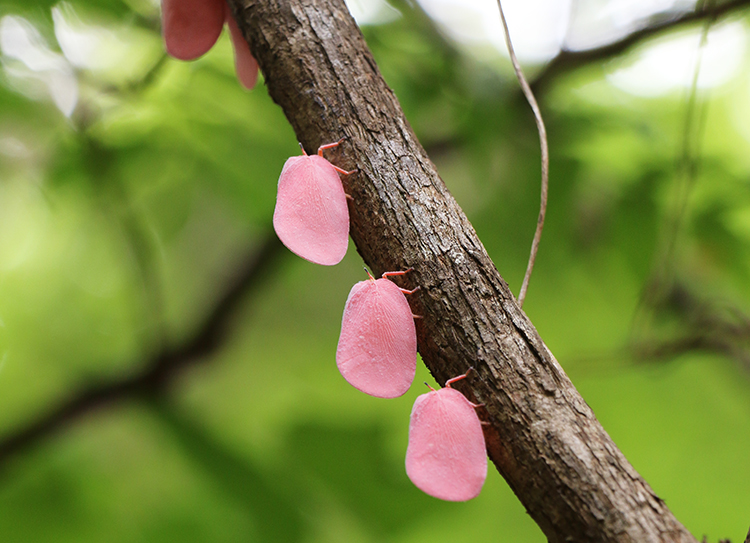
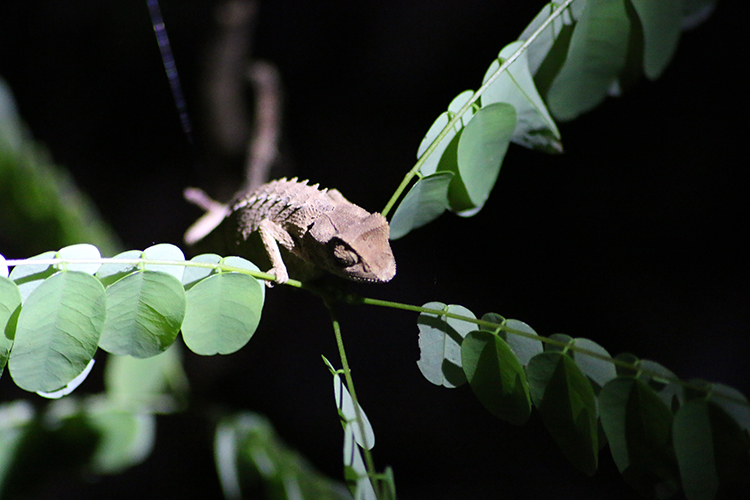
Here, on the north-west coast of the island, in one of the richest and most distinctive tropical dry forests in the world, we passed large hairy crabs, the hognose snake, ground boas hidden beneath fallen leaves or in plain sight across our path, spiders I’d never seen before, chameleons larger than a child’s foot, chameleons the size of a pinky finger, tiny mouse lemur and bats of all kinds, trees covered in horny caterpillars, lone sifaka and sifaka in groups (or conspiracies, as the collective is known).

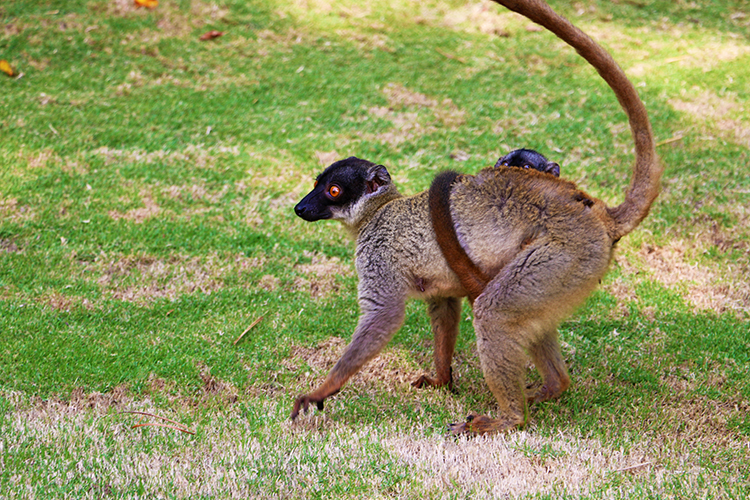
And daily the lemurs came closer, and closer, until any fear I might have been holding onto dissolved and I could sit beside them, taking in the intricacies of their facial expressions, the widening of their eyes in excitement, a smile in a moment of peace, a leap and a dance from tree to tree in fright, flight or fight or merely to get on their way.

anjajavy-le-lodge-8

Unlike some parts of Madagascar, Anjajavy le Lodge is dedicated to preserving and growing the reserve that it calls home. This is Cedric’s mission. And it is one that has spread to the whole team and to the villagers living in the reserve. It is one of few unspoilt wildernesses on the island, not destroyed by destructive farming practices. Malaria has been wiped out. And the trees have been allowed to grow into old age – like the ancient baobab trees that stand so tall and wide that it would take nine people to link arms around one.

Because of this, the community working together, the wild things living and loving without threat, a poignant harmony has been created, where you are welcomed into their circle of trust.

anjajavy-le-lodge

anjajavy-le-lodge-1

anjajavy-le-lodge-2

anjajavy-le-lodge

anjajavy-le-lodge-3

anjajavy-le-lodge

anjajavy-le-lodge-3

anjajavy-le-lodge-1

anjajavy-le-lodge-5

anjajavy

anjajavy-le-lodge-10

anjajavy-le-lodge-11

anjajavy-le-lodge-13

anjajavy-le-lodge-9

anjajavy-le-lodge-1

anjajavy-le-lodge-2

anjajavy-le-lodge-1

anjajavy-le-lodge-3

anjajavy-5

anjajavy-le-lodge-7

anjajavy-le-lodge-1

anjajavy-le-lodge-4

anjajavy-le-lodge-6

anjajavy-le-lodge-5

anjajavy-le-lodge